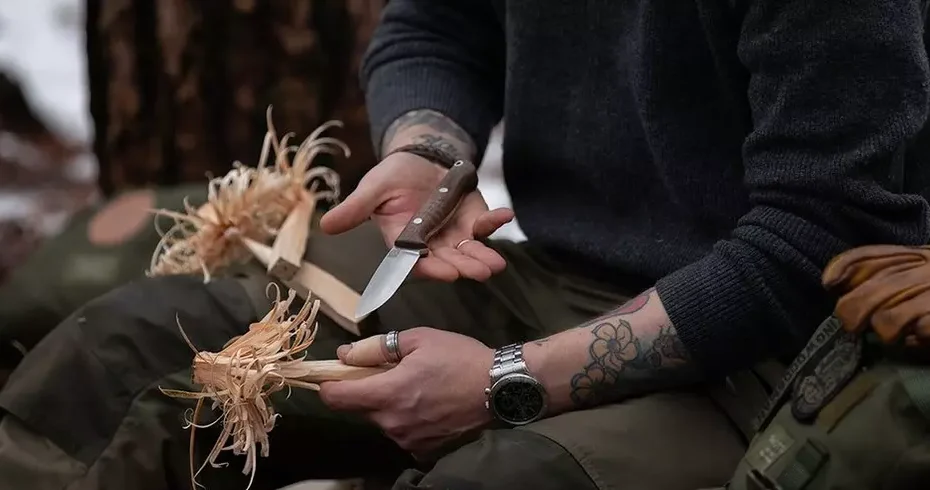
Mastering bushcraft is about more than just knowing how to start a fire or build a shelter—it’s a way of life that emphasizes resilience, adaptability, and deep respect for nature. Whether you’re just starting out or have years of outdoor experience, the right books can serve as indispensable guides to honing your survival skills. The best-selling bushcraft books have consistently provided readers with practical advice on wilderness survival, resourcefulness, and self-reliance, making them essential additions to any survivalist’s library.
Why Every Survivalist Needs Bushcraft Books
Bushcraft is an ancient practice, but modern literature continues to refine and improve upon the knowledge passed down through generations. Unlike short online guides or brief video tutorials, bushcraft books offer well-researched, comprehensive insights that can be referenced time and time again. These books cover a vast range of survival topics, including fire-making, shelter-building, foraging, water purification, and navigation. More than just manuals, they instill a mindset of preparedness and a deeper appreciation for the wilderness.
Essential Best-Selling Bushcraft Books
Bushcraft 101: A Field Guide to the Art of Wilderness Survival – Dave Canterbury
This book serves as an excellent introduction to bushcraft principles. Dave Canterbury, a survival expert with years of experience, lays out essential survival techniques in a structured and easy-to-follow format. The book covers critical survival tools such as cutting implements, fire-starting methods, and proper clothing for different environments. Canterbury also discusses how to source food and water efficiently, making this an ideal guide for those new to bushcraft.
The Ultimate Bushcraft Survival Manual – Tim MacWelch
A detailed guide covering a wide array of bushcraft techniques, this book provides insights into everything from tracking animals to crafting survival tools from natural resources. The visual elements and hands-on approach make it particularly accessible for beginners. Tim MacWelch shares practical strategies that are both effective and easy to implement, making survival skills more approachable for readers of all levels.
The SAS Survival Handbook – John ‘Lofty’ Wiseman
Written by a former British Special Air Service (SAS) soldier, this handbook delivers military-grade survival knowledge. John ‘Lofty’ Wiseman offers insights into emergency preparedness, survival psychology, self-defense, and extreme environment adaptation. Covering topics such as navigation, hunting, and first aid, this book is an invaluable resource for those serious about outdoor survival.
Survival Hacks: Over 200 Ways to Use Everyday Items for Wilderness Survival – Creek Stewart
This book takes a unique approach by focusing on creative survival solutions. Creek Stewart demonstrates how common items can be repurposed for life-saving uses in the wilderness. Readers learn how to craft makeshift fishing gear, create emergency shelters, and purify water with household materials. The book is an excellent resource for those who enjoy innovative problem-solving in survival scenarios.
The Forager’s Harvest: A Guide to Identifying, Harvesting, and Preparing Edible Wild Plants – Samuel Thayer
Survival in the wild often depends on the ability to find and safely consume natural food sources. Samuel Thayer’s guide is one of the most trusted books on edible plants, featuring detailed descriptions and high-quality images to help readers identify safe-to-eat plants while avoiding toxic ones. The book is based on Thayer’s years of firsthand experience, making it one of the most reliable resources for foraging enthusiasts.
Advanced Bushcraft: An Expert Field Guide to the Art of Wilderness Survival – Dave Canterbury
For those looking to take their bushcraft skills to the next level, this book offers deeper insights into long-term survival techniques. Canterbury delves into advanced skills such as primitive tool-making, animal tracking, and sustainable wilderness living. The step-by-step guidance makes even complex techniques accessible, making it an excellent follow-up to Bushcraft 101.
98.6 Degrees: The Art of Keeping Your Ass Alive – Cody Lundin
A survival guide with a focus on maintaining body temperature and staying alive in harsh conditions, this book offers essential advice on hydration, nutrition, and mental fortitude. Lundin’s engaging writing style and humor make complex survival concepts easier to digest, while his expert advice ensures readers are better prepared for emergencies.
How to Choose the Right Bushcraft Book
With so many options available, it’s important to choose a book that aligns with your skill level and survival goals. Beginners may benefit most from straightforward guides like Bushcraft 101 or The Ultimate Bushcraft Survival Manual, which introduce foundational concepts. Those seeking advanced techniques may prefer books like Advanced Bushcraft or The SAS Survival Handbook, which explore complex survival strategies in greater detail.
Additionally, some books cater to specific areas of bushcraft. If food procurement is a priority, The Forager’s Harvest is an essential resource. If you’re interested in alternative survival techniques, Survival Hacks offers creative approaches to common survival challenges. Understanding your particular interests will help you choose the best book for your needs.
The Influence of Bushcraft Literature on Modern Survivalists
The popularity of best-selling bushcraft books highlights a growing trend toward self-sufficiency and outdoor preparedness. As more people recognize the importance of survival skills in an unpredictable world, these books serve as valuable guides to living more independently. Beyond practical survival knowledge, bushcraft books help foster a sense of connection with nature and an appreciation for the skills that allowed our ancestors to thrive.
Moreover, these books preserve traditional knowledge that might otherwise be lost in today’s technology-driven world. Whether for emergency preparedness, wilderness exploration, or self-reliant living, the information contained in these works is invaluable for anyone looking to enhance their survival abilities.
Conclusion
The best-selling bushcraft books provide a wealth of knowledge for outdoor enthusiasts, survivalists, and anyone interested in self-reliance. From introductory guides to expert-level manuals, these books offer practical skills that can be applied in real-world survival scenarios. Investing in a well-rounded collection of bushcraft books ensures that readers are equipped with the skills and knowledge necessary to handle any wilderness challenge. Whether you’re learning to forage, build shelters, navigate without modern tools, or craft survival equipment from natural materials, these books provide a foundation that can make all the difference in the great outdoors.