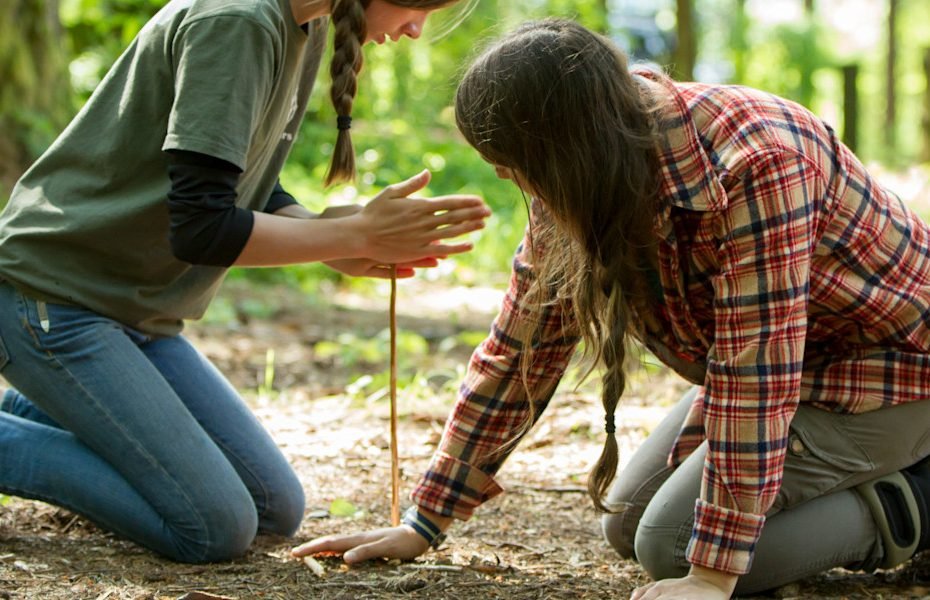
Building a fire in wet conditions is one of the greatest tests of a survivalist’s abilities. After rainfall, everything is damp, making it difficult to ignite even the driest kindling. However, with the right knowledge and techniques, you can successfully start a fire, whether for warmth, cooking, or emergency survival. Understanding where to find dry materials, how to build a fire structure that encourages combustion, and which fire-starting tools work best in damp conditions can make all the difference.
The Challenges of Wet Environments
Rain complicates fire-starting by soaking available fuel and dampening the ground. Even after the rain stops, moisture lingers in the environment, making it difficult to sustain a flame. Most exposed twigs, logs, and leaves absorb water, rendering them inefficient for ignition. Additionally, wind may scatter the few dry materials that remain, and humidity slows down the drying process.
These factors make it crucial to know where to find dry fuel and how to make the best use of the materials at hand. Without a dry foundation and an effective ignition method, getting a fire started in wet conditions can be frustrating and time-consuming.
Finding Dry Tinder, Kindling, and Firewood
The key to success in damp conditions lies in gathering the driest possible materials and preparing them correctly.
Locating Usable Tinder
Tinder is the first stage of a fire and must be dry enough to ignite quickly. Some good sources of dry tinder in wet conditions include:
- Tree Bark: Birch and cedar bark often retain dry layers underneath their outer surface.
- Feather Sticks: By shaving the inside of a dry branch, you can create fine curls that catch fire easily.
- Pine Resin: The sticky sap from pine trees is highly flammable and works well even in wet weather.
- Stored Dry Tinder: If you carry a fire-starting kit, keeping dry tinder in a waterproof bag ensures you’re prepared.
Finding Suitable Kindling
Once the tinder is burning, kindling provides the next layer of fuel. Small sticks and branches that snap cleanly rather than bending indicate dryness inside. If the outer surface is wet, peeling away the bark can reveal drier material underneath.
Choosing the Right Firewood
Larger logs take longer to dry, but splitting them open exposes the drier core. Look for standing dead trees rather than fallen logs, as they absorb less moisture from the ground. Hardwoods like oak and hickory burn longer and hotter, making them preferable over softer woods.
Creating a Fire Base and Structure
Building a Fire Platform
Wet ground can smother a fire before it gets going. To create an elevated base:
- Use large, flat stones or logs to keep the fire above damp soil.
- Place smaller sticks in a crisscross pattern to form a foundation for tinder and kindling.
Arranging Firewood for Maximum Airflow
The structure of your fire affects its ability to sustain a flame. The two most effective methods in wet conditions are:
- Teepee Formation: Arrange kindling in a cone shape around the tinder, allowing air to flow freely.
- Log Cabin Style: Stack logs in a square frame, gradually building upward with space for air circulation.
Effective Ignition Methods
Lighting a fire in damp conditions requires more than just a match. Some of the best ignition methods include:
- Waterproof Matches or Lighters: These provide a consistent flame and are useful in emergencies.
- Ferro Rods: By striking a ferrocerium rod with steel, you generate sparks hot enough to ignite dry tinder.
- Magnesium Shavings: Scraping magnesium onto tinder and igniting it produces an intense flame.
- Battery and Steel Wool: Touching fine steel wool to both terminals of a battery creates a smoldering ember.
Keeping the Fire Burning
Once the fire is started, maintaining it is essential. To keep it from dying out:
- Gradually add larger pieces of wood, avoiding excessive smoke by choosing drier logs.
- Rotate wet logs near the fire to dry them before adding them to the flames.
- Shield the fire with a tarp, windbreak, or natural rock barrier to prevent rain from putting it out.
Alternative Fire-Starting Strategies
If traditional methods fail, consider these alternative fire-starting techniques:
- Chemical Fire Starters: Products like fire paste or solid fuel tablets can help ignite wet wood.
- Char Cloth: A piece of carbonized fabric ignites easily when exposed to a spark.
- Dried Fungus or Cattail Fluff: Natural materials like fungus and seed heads are highly flammable.
Safety Considerations When Building a Fire
When starting an outdoor fire after rain, always prioritize safety.
- Check for Overhanging Branches: Avoid building fires under tree limbs, as rising heat can cause unexpected damage.
- Maintain a Fire Perimeter: Keep the area around the fire clear of flammable materials.
- Ensure the Fire Is Fully Extinguished: Pour water over the embers and stir them until no heat remains.
The Importance of Fire Skills in Survival Situations
Being able to start a fire in wet conditions is a critical survival skill. It provides warmth, protection, and the ability to cook food or purify water. Mastering the ability to find dry materials, use proper ignition techniques, and maintain a flame can mean the difference between comfort and distress in the wilderness. Whether you’re camping, lost in the wild, or preparing for emergencies, knowing how to start a fire after rain ensures you stay prepared for any situation.