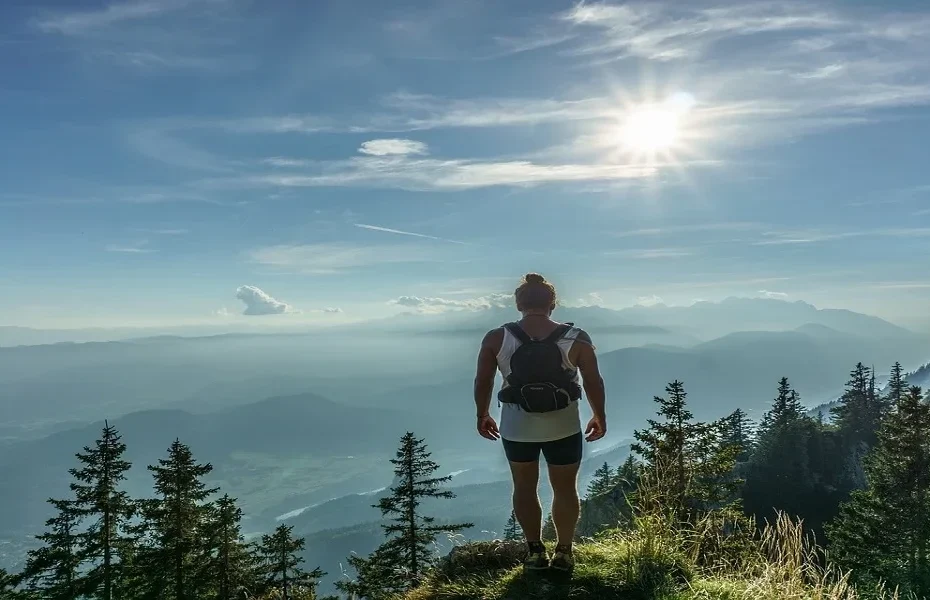
Survivalism is a commitment to preparedness, resilience, and self-reliance in the face of uncertainty. It involves acquiring the knowledge, skills, and mental fortitude needed to thrive in extreme conditions. Whether you’re just beginning your journey or looking to refine your expertise, improving your survival abilities requires deliberate effort. By focusing on crucial areas like physical fitness, essential skills, and resource management, you can significantly enhance your chances of overcoming adversity.
Cultivating a Survivalist Mentality
A survivalist mindset is the foundation of preparedness. Unlike a reactive approach to crises, a survivalist is proactive, anticipating potential risks and formulating strategies to mitigate them. The key to this mentality is adaptability, problem-solving, and maintaining composure under pressure.
Developing mental toughness involves stepping outside of your comfort zone. Regular exposure to controlled survival scenarios—such as wilderness excursions with limited gear—can train your mind to function effectively under stress. Visualization exercises, meditation, and breathing techniques can also help strengthen focus and emotional resilience, ensuring that you remain clear-headed in high-stakes situations.
Enhancing Physical Fitness for Survival
Physical preparedness is just as important as mental readiness. In a survival situation, endurance, strength, and agility can determine whether you make it through a crisis unscathed. If you need to traverse rugged terrain, build shelters, or carry supplies, a lack of physical fitness could become a major liability.
A well-balanced fitness regimen should incorporate cardiovascular training, strength-building exercises, and flexibility routines. Activities like hiking, swimming, and running improve stamina, while weight training enhances muscle endurance. Flexibility exercises, such as stretching and yoga, minimize the risk of injury. Practical workouts that simulate survival tasks—like hauling firewood, lifting heavy objects, and climbing—prepare the body for real-world challenges.
Mastering Fundamental Survival Skills
Possessing a solid set of survival skills can make the difference between thriving and struggling in an emergency. The more self-reliant you become, the better equipped you’ll be to handle unexpected situations.
Fire-Building Techniques
Starting a fire is a fundamental survival skill that provides warmth, allows for cooking, and serves as a signal for rescue. Mastering multiple fire-starting methods—including matches, lighters, ferro rods, and primitive techniques like the bow drill—ensures you can ignite a flame in any condition. Additionally, understanding how to source dry tinder and construct efficient fire lays will increase your success rate.
Shelter Construction
Protection from the elements is crucial for survival. Learning to construct different types of shelters, such as lean-tos, debris huts, and A-frame structures, will ensure you stay warm and dry. The ability to assess environmental conditions and choose an optimal shelter location is just as important as building the structure itself.
Water Procurement and Purification
Access to clean drinking water is non-negotiable. Survivalists must know how to locate, collect, and purify water using various methods. Techniques such as boiling, filtering, and chemical purification are essential. Additionally, recognizing signs of water sources in the wilderness, such as animal tracks or certain vegetation, increases your chances of finding hydration.
Navigation Skills
In survival situations, knowing how to navigate without relying on GPS is critical. Learning to read topographic maps, use a compass, and recognize natural navigation cues, such as the position of the sun and stars, will help you find your way in unfamiliar territory.
First Aid Proficiency
Basic medical knowledge can be lifesaving. Understanding how to treat wounds, perform CPR, and manage injuries like burns, sprains, and fractures ensures that you can handle medical emergencies. Keeping a well-stocked first aid kit and knowing how to use each item is just as crucial as carrying it.
Foraging and Hunting for Food
Food procurement skills are necessary for long-term survival. Identifying edible plants, setting traps, fishing, and hunting provide sustainable food sources. Knowledge of food preservation techniques, such as smoking and drying, further increases self-sufficiency.
Stockpiling and Equipment Management
Preparedness includes having the right tools and supplies. A comprehensive survival kit should cover essential categories such as food, water, shelter, first aid, and defense. While survival is possible with minimal gear, having the right tools significantly increases efficiency and comfort.
When selecting survival gear, durability and versatility are key considerations. High-quality knives, fire-starting tools, water filtration devices, and multi-tools are indispensable. Clothing should be suited for various weather conditions, and backup supplies like solar chargers, extra batteries, and emergency blankets provide additional security.
Achieving Long-Term Self-Sufficiency
Survival isn’t just about reacting to crises—it also involves creating a lifestyle that minimizes dependence on external resources. Learning to grow your own food, raise livestock, and preserve your harvest ensures a continuous food supply. Gardening, beekeeping, and composting contribute to sustainability, making long-term survival feasible.
Rainwater collection, alternative energy sources, and waste reduction strategies further improve self-sufficiency. The more independent your household becomes, the less vulnerable you are to disruptions in modern supply chains.
Enhancing Awareness and Security Measures
Survivalists must remain vigilant and aware of potential threats. Situational awareness—the ability to detect and assess danger before it materializes—is a valuable skill. By paying attention to surroundings and recognizing subtle changes in behavior or environment, you increase your chances of avoiding harm.
Self-defense training is also essential. Whether through martial arts, firearm proficiency, or non-lethal defense tactics, knowing how to protect yourself and your loved ones adds another layer of preparedness. Additionally, securing your home and property with perimeter defenses and security measures deters potential threats.
The Role of Community in Survivalism
While individual skills are vital, connecting with a network of like-minded survivalists offers significant advantages. Survival groups provide support, resource sharing, and collective problem-solving in crisis situations. By engaging with survivalist communities, you gain access to valuable knowledge and training opportunities.
Attending workshops, participating in survival challenges, and learning from experienced preppers expands your skill set. Whether through online forums, local meetups, or organized survival retreats, surrounding yourself with knowledgeable individuals fosters continual improvement.
The Journey to Becoming a Skilled Survivalist
Taking concrete steps to becoming a better survivalist is an ongoing process. Mental preparedness, physical fitness, essential skills, and resource management all play integral roles in survival. By consistently refining your abilities, investing in quality gear, and adopting a proactive mindset, you ensure readiness for any challenge. Whether facing natural disasters, economic instability, or unexpected emergencies, a well-prepared survivalist has the knowledge and resilience to thrive in any environment.