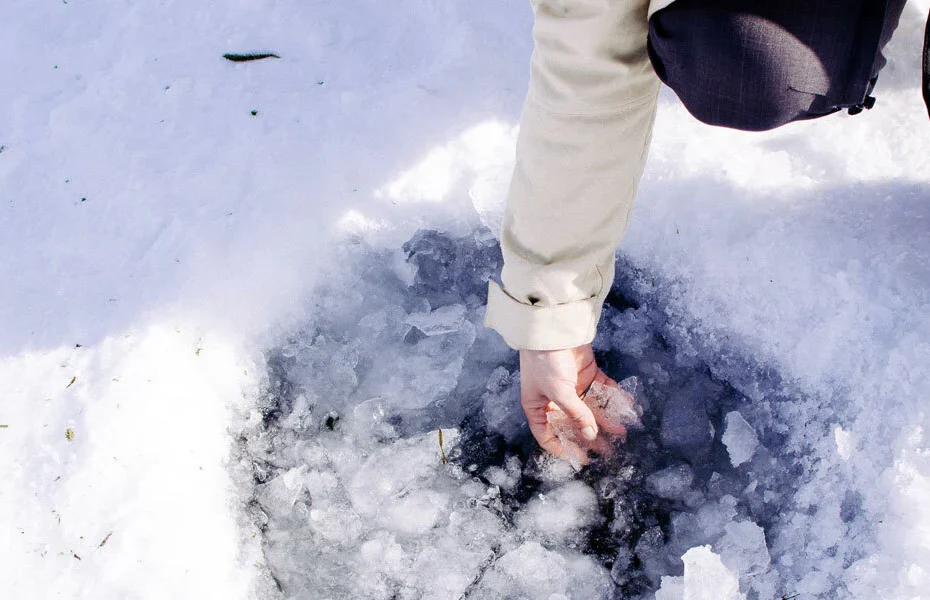
Surviving in the wilderness requires a keen understanding of how to locate essential resources, and none is more critical than water. The human body can only last a few days without hydration, and without a reliable source, dehydration can lead to dizziness, confusion, and eventually death. Fortunately, there are many natural indicators and survival techniques that can help you find bodies of water even in the most challenging environments.
Observing Animal Behavior for Clues
Animals are excellent guides when it comes to finding water sources. Many creatures, especially mammals, need water daily, and their habits can reveal where to look. If you spot a game trail or notice frequent footprints, these paths often lead to a nearby water source such as a stream, lake, or pond. Early morning and late evening are the best times to observe animal movement, as this is when many species travel for hydration.
Birds can also provide valuable information. Species like pigeons, doves, and finches require regular water intake. If you see them flying repeatedly in the same direction in the morning or late afternoon, following their path may lead to a water source. Insects such as bees and mosquitoes thrive in areas with standing water, so an increase in these insects can be another strong indication of nearby water.
Identifying Vegetation and Plant Growth
Certain plants thrive in areas with high moisture levels, making them useful indicators of water sources. Trees such as willows, cottonwoods, and alders typically grow near rivers, streams, or underground water supplies. In desert environments, palm trees and reeds are often signs of an oasis or an underground spring. Additionally, bright green patches of grass in an otherwise dry area suggest the presence of water beneath the surface.
Another way to test for underground moisture is by digging near dense vegetation or tree roots. If the soil is damp after a few inches, you may be able to extract water by digging deeper. Placing a piece of fabric or cloth in the hole and wringing it out can help collect any available moisture.
Navigating the Terrain for Natural Water Collection Points
Water naturally gathers in low-lying areas, so valleys, depressions, and ravines are prime locations for finding it. If you are in a mountainous region, rivers and streams will typically be found at the lowest points. Dry riverbeds may also contain hidden pockets of water just below the surface, which can be accessed by digging into the sand or gravel.
Rock formations are another excellent place to look. Rainwater often collects in crevices and natural basins, forming small pools that can last for days or even weeks. In some cases, caves house underground springs or dripping water that can be collected using leaves or a piece of cloth.
Listening for Running Water
One of the simplest yet most effective methods of locating water is to stop and listen. Water moving through a stream or river creates distinct sounds that carry over long distances, especially in quiet wilderness areas. If the terrain allows, climbing to a higher elevation can help amplify these sounds and provide a better vantage point for spotting reflective surfaces of water.
Even if a stream is not visible, the sound of rustling reeds or an increase in humidity in the air can indicate the presence of water nearby. Patience and careful observation are key to making the most of this method.
Harvesting Dew and Rainwater
If no visible water source is available, gathering dew can be a viable alternative. Early in the morning, grass and leaves are often covered in condensation. Running a cloth over them and wringing out the collected moisture can provide hydration in survival situations. This method requires patience, but it can be lifesaving in arid conditions.
Rainwater collection is another essential skill. Using any available containers, large leaves, or even digging a small pit lined with plastic can help catch and store rain. Natural rock formations and tree hollows also hold rainwater for extended periods, providing an easy way to obtain drinkable water.
Extracting Water from Underground Sources
If the landscape appears dry, there may still be water beneath the surface. Digging in areas where lush vegetation grows, especially around tree roots, can reveal underground moisture. One useful technique is to construct a solar still. This involves digging a hole, placing a container inside, covering it with plastic, and using a small rock to weigh down the center. The sun’s heat causes moisture to evaporate and condense on the plastic, eventually dripping into the container. While this method takes time, it can provide a continuous supply of fresh water.
Recognizing Cloud Patterns and Weather Signs
Cloud formations and weather changes can also guide you to water. Cumulus clouds often develop over large bodies of water, indicating lakes or rivers in the distance. Fog tends to gather over streams and lakes in the early morning, offering another clue for navigation. In arid environments, sudden rainstorms can create temporary water sources in natural depressions and rock basins, so being alert to changing weather conditions can be beneficial.
Finding Water in Caves and Rock Shelters
Caves and rock overhangs are often overlooked when searching for water, but they can contain underground streams or moisture trickling down rock walls. Some caves have naturally occurring pools formed from groundwater seeping through rock layers. Dripping water from stalactites can be collected using a container or by soaking it up with fabric.
Even if a cave appears dry, the presence of certain plants or increased humidity can indicate moisture hidden within the rock. Carefully exploring shaded rock formations can sometimes lead to unexpected water sources.
Searching for Human-Made Water Sources
In some remote areas, human activity may provide unexpected access to water. Abandoned wells, rainwater collection tanks, and old mining operations sometimes retain water long after they have been deserted. If you come across man-made structures, checking them for stored water can be a last resort.
Additionally, old roads and trails often lead to water sources used by past travelers. If you encounter a well-worn path in an otherwise uninhabited area, following it may lead you to a pond, stream, or spring that was once a critical resource for survival.
Conclusion
Locating water in the wilderness is a vital survival skill that relies on careful observation, patience, and knowledge of natural indicators. By following animal movements, identifying plant growth, navigating terrain, and listening for water, you can significantly increase your chances of finding hydration. In emergency situations, collecting dew, digging for underground moisture, and using rock formations can help sustain you until a more substantial water source is found. Being prepared with these techniques before heading into the wilderness ensures that you have the best chance of survival, even in the harshest conditions.