Burn injuries are common in survival situations, whether from an open fire, a heated tool, scalding liquids, or prolonged sun exposure. Without immediate medical attention, burns can worsen and lead to severe complications such as infections or tissue damage. Knowing how to treat a burn with limited resources is a crucial survival skill that can aid in pain relief, accelerate healing, and prevent long-term scarring.
Understanding Burn Severity
The first step in treating a burn is assessing its severity. Burns are categorized into three main types based on how deeply they affect the skin and underlying tissues.
Superficial (First-Degree) Burns
These burns only affect the skin’s outermost layer, causing redness, slight swelling, and discomfort. They do not cause blisters and generally heal within a few days with minimal intervention.
Partial-Thickness (Second-Degree) Burns
Second-degree burns go beyond the top layer of skin, reaching the underlying dermis. They cause intense pain, swelling, and blistering. The affected area may have red, white, or mottled patches. Healing can take several weeks, and improper care may lead to infection or scarring.
Full-Thickness (Third-Degree) Burns
The most severe type, third-degree burns, destroy multiple layers of skin and can reach fat, muscle, or even bone. These burns may appear charred, leathery, or white. Nerve endings can be damaged, causing numbness. In survival scenarios, preventing infection and minimizing further harm are critical until professional medical help is available.
Steps to Treat a Burn Immediately
Cooling the Wound
For minor to moderate burns, cooling the area quickly is vital. Running cool (not icy) water over the burn for 15-20 minutes can help reduce pain and slow tissue damage. If water is unavailable, a damp cloth can be applied. Never use ice, as it may cause further harm by restricting blood flow.
Removing Items That Restrict Circulation
Burns can cause swelling, so removing rings, bracelets, tight clothing, or anything restricting blood flow near the burn is necessary. If fabric has melted onto the skin, avoid pulling it off to prevent further injury.
Cleaning the Wound
If the burn is mild and does not involve broken skin, washing it with clean water and mild soap can reduce the risk of infection. For open wounds, avoid scrubbing the area and instead rinse gently with clean water.
Protecting the Burn
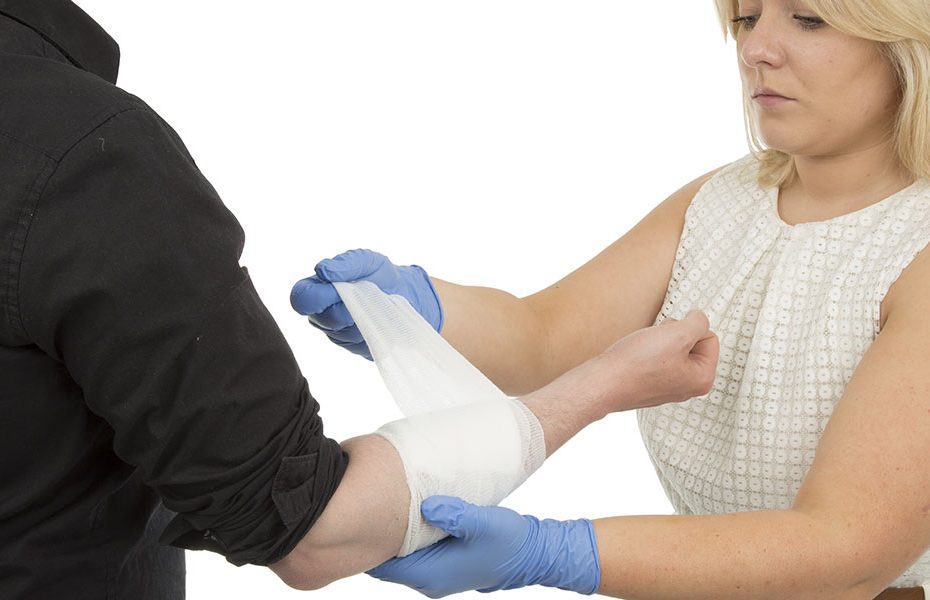
Covering the burn with a sterile, non-stick bandage helps prevent dirt and bacteria from entering the wound. If available, petroleum jelly or aloe vera can keep the area moisturized, aiding in the healing process. Avoid using cotton, as fibers may stick to the injury.
Natural Remedies for Burn Care in Survival Situations
When medical supplies are scarce, natural alternatives can be valuable in burn treatment.
Aloe Vera
Aloe vera has cooling and anti-inflammatory properties that can soothe burns. If fresh aloe is available, the gel can be applied directly to the wound.
Honey
As a natural antibacterial agent, honey can help prevent infections and keep the wound hydrated. A thin layer applied to the burn may aid in healing.
Coconut Oil
With its moisturizing and antimicrobial properties, coconut oil can be applied to minor burns to soothe the skin and prevent excessive dryness.
Plantain Leaves
Crushing fresh plantain leaves and applying the juice to a burn can provide relief due to the plant’s natural healing compounds.
Managing Pain and Preventing Infections
Burns can be extremely painful, and managing discomfort is crucial in survival situations.
Pain Relief Methods
Willow bark, a natural source of salicin (similar to aspirin), can be chewed or brewed into tea to provide pain relief. Hydration and rest also play key roles in the body’s recovery process.
Infection Prevention
Keeping burns covered with clean bandages and changing them regularly minimizes the risk of infection. If antibiotic ointment is unavailable, natural antimicrobial substances such as garlic (used in moderation) may help fight bacteria.
What to Avoid When Treating a Burn
Certain traditional remedies and instincts may actually worsen a burn rather than aid recovery.
- Do not apply ice: It can cause frostbite and restrict blood flow, delaying healing.
- Avoid bursting blisters: Blisters act as a protective barrier against infection.
- Do not use butter or grease: Oily substances trap heat and can further damage the skin.
- Avoid unclean materials: Dirty bandages or cloths increase the risk of infection.
Recognizing When Medical Help is Needed
While some burns can be managed in a survival setting, severe cases require professional treatment. Seek medical attention if:
- The burn covers a large portion of the body.
- It affects critical areas like the face, hands, feet, or joints.
- The wound appears deep, leathery, or charred.
- There are signs of infection, such as pus, redness, fever, or increasing pain.
Long-Term Burn Recovery and Scar Prevention
Healing from a burn does not stop after initial treatment. Ensuring proper long-term care can prevent complications.
Moisturizing and Protection
Once the skin begins to heal, applying a light layer of oil or an herbal remedy like aloe vera can help keep the area hydrated. Protecting the burn from excessive sun exposure is also crucial in preventing pigmentation issues or scarring.
Gentle Exercise and Stretching
If a burn occurs near a joint, regular movement can prevent stiffness and improve long-term function. However, avoid excessive strain that could reopen the wound.
Monitoring for Signs of Delayed Healing
If a burn does not show improvement over time, or if new symptoms such as spreading redness or an unusual odor develop, it could indicate an infection or other complications.
Conclusion
Burn injuries are a serious concern in survival situations, but with proper knowledge and quick action, they can be effectively treated. Recognizing burn severity, applying appropriate first aid, and utilizing available natural remedies can make a significant difference in recovery. By avoiding harmful practices and monitoring the healing process, survivalists can ensure the best possible outcome for burn victims even in remote or resource-limited environments.