Many people associate prepping with survival situations, but one of the most overlooked advantages is its ability to cut costs in everyday life. While it may seem like an expensive habit at first, preparing for emergencies and self-sufficiency can lead to significant financial savings over time. By adopting frugal habits, learning essential skills, and reducing dependency on external systems, preppers often find themselves with more financial stability than those who live paycheck to paycheck.
Buying in Bulk to Reduce Expenses
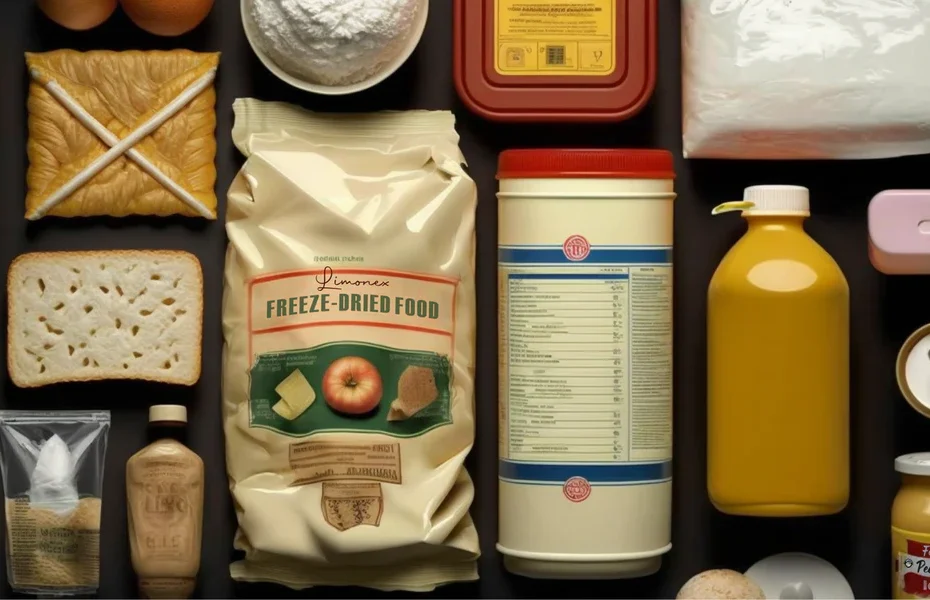
Preppers tend to purchase food and household essentials in bulk, which helps lower the cost per item. Instead of buying single units at retail prices, they take advantage of bulk discounts, warehouse deals, and sales on non-perishable items. Staples like rice, beans, canned vegetables, and flour become more affordable when bought in large quantities.
Stockpiling food also protects against inflation and price spikes. Grocery store prices fluctuate due to supply chain issues, seasonal changes, and economic instability. Having a fully stocked pantry means avoiding the stress of paying inflated prices when items suddenly become expensive. Additionally, fewer trips to the store save money on transportation and help reduce impulse purchases.
Cutting Down on Food Waste
Food waste is a major issue that costs households hundreds of dollars each year. Prepping encourages a mindful approach to food consumption, ensuring that nothing goes to waste. Preppers plan their meals strategically, store food properly, and use preservation techniques like dehydration, canning, and freezing to extend shelf life.
Home gardening also plays a crucial role in reducing food expenses. Growing fruits, vegetables, and herbs provides a sustainable food source and minimizes reliance on grocery stores. Fresh produce from a personal garden eliminates the need to buy expensive organic vegetables, and any surplus can be preserved for future use or shared within the community.
Avoiding Last-Minute Emergency Costs
Many people end up spending far more than necessary in emergencies because they aren’t prepared. When a natural disaster, power outage, or supply chain disruption occurs, non-preppers rush to stores and often pay premium prices for essentials like bottled water, batteries, and fuel. Having these supplies already on hand eliminates the need to make expensive, last-minute purchases.
Financial preparedness is another critical aspect of prepping. Those who save money in an emergency fund or stockpile necessary goods avoid taking out high-interest loans or maxing out credit cards in desperate situations. This foresight prevents financial strain and debt accumulation, leading to long-term savings.
Lowering Utility Bills with Smart Energy Use
Preppers often adopt energy-saving habits that help reduce monthly expenses. Investing in solar panels, wind turbines, or battery backups can significantly cut electricity costs. While these alternative energy solutions require an initial investment, they eventually lead to savings by decreasing reliance on power grids.
Small changes, such as using wood stoves for heating, insulating homes properly, and installing energy-efficient appliances, also contribute to lower utility bills. Many preppers use rainwater collection systems and water filtration methods to decrease water expenses while ensuring they always have access to clean water.
Learning Self-Sufficiency to Minimize Expenses
Prepping involves acquiring skills that make individuals less reliant on costly goods and services. Learning how to mend clothing, build structures, repair plumbing, and cook from scratch eliminates the need for expensive professionals and store-bought conveniences. Instead of paying for prepackaged foods, preppers bake bread, ferment vegetables, and preserve meat at home.
Homemade cleaning and hygiene products also cut costs significantly. Preppers often make soap, laundry detergent, and all-purpose cleaners using simple, affordable ingredients, reducing the need to buy overpriced commercial products.
Reducing Healthcare Costs Through Prevention
A major but often overlooked way prepping helps save money is by promoting good health. Preppers understand the importance of staying physically fit, eating nutritious food, and utilizing natural remedies. They invest in first aid kits, learn how to treat minor injuries at home, and use herbal medicine to prevent unnecessary doctor visits.
Maintaining a well-balanced diet by growing and preserving food reduces reliance on processed products, lowering the risk of diet-related illnesses such as obesity, diabetes, and high blood pressure. The healthier a person is, the less they spend on medical bills, prescriptions, and insurance costs.
Cutting Transportation Costs
Preppers naturally find ways to minimize transportation expenses. By maintaining well-stocked supplies, they reduce the number of trips needed for groceries and essentials, saving money on gas and vehicle maintenance. Some preppers take it further by investing in fuel-efficient vehicles, bicycles, or even alternative transportation methods to reduce long-term travel costs.
Having a well-planned evacuation route and emergency transportation plan also prevents financial loss during disasters. Those unprepared may have to spend money on hotels, emergency transportation, or last-minute car repairs, while preppers have backup plans that reduce these unexpected costs.
Avoiding Consumer Traps
Consumer culture encourages people to buy the latest gadgets, fashion trends, and convenience items, often leading to unnecessary spending. Preppers, on the other hand, focus on durability, practicality, and self-reliance. Instead of buying cheaply made goods that need constant replacement, they invest in high-quality, long-lasting gear that stands the test of time.
By shifting priorities from materialism to sustainability, preppers naturally reduce expenses on non-essential items. They repurpose and upcycle materials, mend broken equipment, and adopt a minimalist lifestyle that prioritizes function over luxury.
Earning Extra Income Through Prepping Skills
Prepping can also become a source of income. Many preppers sell homegrown produce, homemade survival gear, or handcrafted products like candles, soap, and herbal remedies. Others offer courses on emergency preparedness, first aid training, and homesteading techniques, turning their knowledge into a side business.
Additionally, those with extra land or resources can rent out space for camping, farming, or beekeeping. Whether through selling goods, providing training, or renting resources, preppers can generate additional income while maintaining a self-sufficient lifestyle.
Conclusion
Adopting a preparedness lifestyle goes beyond emergency readiness; it provides practical financial benefits that many overlook. There are numerous ways prepping can actually help you save money, from buying in bulk and reducing food waste to cutting transportation and healthcare costs. By developing self-sufficiency skills, avoiding consumer traps, and minimizing emergency spending, preppers create a more financially stable future for themselves and their families.
While the upfront investment in prepping may seem daunting, the long-term savings and security make it well worth the effort. Those who embrace preparedness not only gain peace of mind but also discover that their frugal habits lead to greater financial freedom. By implementing these strategies, anyone can use prepping to build a sustainable, cost-effective lifestyle that pays off for years to come.