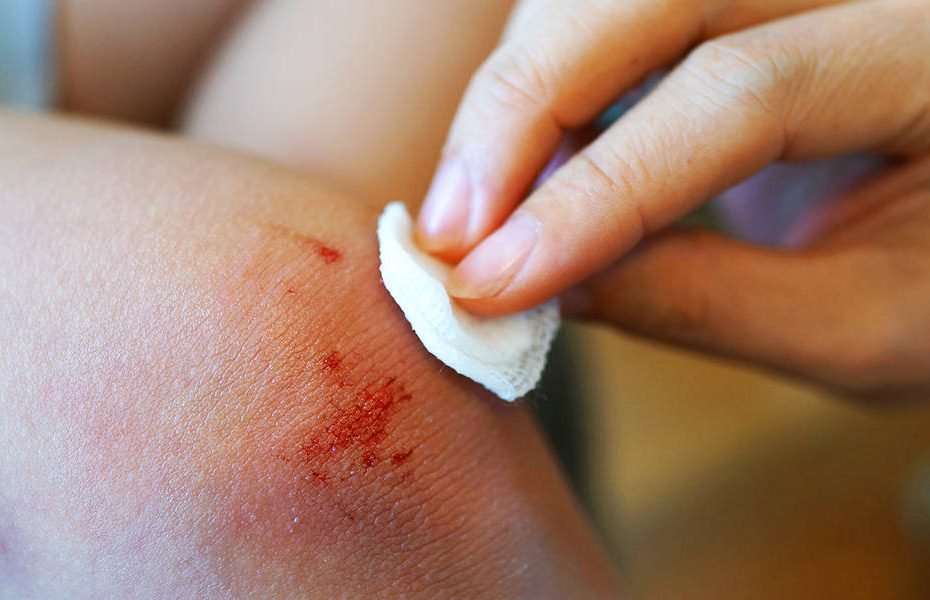
In survival situations, a seemingly minor cut can quickly escalate into a serious health concern if not properly treated. The absence of medical facilities and sterile environments increases the risk of infection, making immediate and effective wound care a top priority. Knowing the correct way to clean and manage a cut can be the difference between swift healing and a potentially life-threatening complication. Whether you’re deep in the wilderness or facing an emergency where professional medical aid is unavailable, mastering this skill is essential.
Why Cleaning a Cut Immediately is Critical
The skin serves as a protective barrier, preventing harmful bacteria, dirt, and pathogens from entering the body. Any break in the skin’s surface creates an entry point for infections, which can lead to severe conditions like sepsis if left untreated. The risk is particularly high in survival scenarios, where exposure to unclean water, dirt, and limited hygiene is common. Cleaning a wound promptly reduces the chance of infection, accelerates healing, and minimizes scarring or long-term damage.
Step-by-Step Guide to Properly Cleaning a Cut
Step 1: Stop the Bleeding Efficiently
The first priority after sustaining a cut is controlling the bleeding. Use a clean cloth, gauze, or any available fabric to apply direct pressure on the wound. In cases of heavy bleeding, elevate the affected area above heart level to slow blood flow. If available, a sterile bandage or tourniquet can be used, but only as a last resort. Bleeding should subside within a few minutes, but if it continues excessively, medical attention will be necessary as soon as possible.
Step 2: Flush Out the Wound
Once the bleeding has slowed or stopped, the wound must be thoroughly rinsed to remove dirt, bacteria, and debris. The best option is clean running water, preferably sterilized or boiled and cooled if a reliable water source is unavailable. Saline solution is also effective in flushing out contaminants. Avoid using hydrogen peroxide or rubbing alcohol directly on the wound, as these can damage tissue and slow healing. If clean water is limited, use an improvised filter, such as a cloth, to strain out visible impurities before rinsing.
Step 3: Remove Foreign Objects
After rinsing, check the wound carefully for any remaining debris, such as splinters, gravel, or glass shards. Using sanitized tweezers, carefully extract any visible particles. If the debris is deeply embedded or difficult to remove, avoid digging into the wound, as this can drive contaminants further in and cause more damage. If professional medical care is not an option, a sterilized needle can be used cautiously to lift stubborn particles.
Step 4: Disinfect and Protect
After cleaning out the wound, applying an antiseptic is essential to prevent infection. If you have access to antibiotic ointments, iodine, or alcohol-free antiseptic wipes, apply them sparingly to the affected area. In a survival situation where medical supplies are scarce, natural alternatives such as honey, crushed garlic, or aloe vera can help due to their antibacterial properties. However, these should be used only when no pharmaceutical options are available.
Step 5: Cover the Wound Properly
Keeping the wound covered ensures protection from bacteria and contaminants. Use sterile bandages if available, or in their absence, a clean cloth can suffice. If in the wild, large leaves can be utilized as makeshift coverings after being sterilized over a flame. The dressing should be changed regularly—at least once daily or whenever it becomes damp or dirty—to prevent infection and promote faster healing.
Long-Term Wound Management in a Survival Environment
Even after performing initial wound care, continuous monitoring and maintenance are crucial for preventing infections. In an austere setting, keeping an eye on the wound’s progress is vital. Signs of a developing infection include:
- Increased swelling and redness beyond the wound’s edges
- Persistent pain or a throbbing sensation
- Discharge of pus or foul-smelling fluid
- Fever or chills, which may indicate a systemic infection
If any of these symptoms develop, additional treatment is required. Infections can be managed in survival scenarios using natural remedies such as warm saltwater soaks, crushed plantain leaves, or poultices made from antibacterial herbs like yarrow. However, in cases of worsening symptoms, seeking professional medical assistance is the safest option.
Alternative Wound Care Methods When Resources Are Limited
Survivalists often need to rely on nature’s remedies when traditional medical supplies are unavailable. Several natural solutions have antibacterial, antifungal, and wound-healing properties, making them viable substitutes for conventional treatments:
- Aloe Vera: The gel extracted from aloe leaves contains compounds that soothe inflammation and accelerate healing.
- Honey: A natural antibacterial agent that also helps create a protective barrier over the wound.
- Plantain Leaves: These common wild plants can be crushed and applied to cuts to help draw out infection and speed healing.
- Garlic: Contains allicin, a potent antibacterial compound that can aid in preventing infections.
- Coconut Oil: Offers mild antimicrobial properties and helps keep the wound moist to avoid cracking and reopening.
Though effective, these remedies should be used in conjunction with proper wound cleaning techniques rather than as standalone treatments.
How to Avoid Infection in Extreme Conditions
Preventative care is just as crucial as knowing how to properly clean a cut. In a survival situation, avoiding infections can be challenging but is not impossible. Following these precautions can significantly reduce the risk:
- Keep Your Hands Clean: Always clean your hands before treating a wound. If soap and water are unavailable, use alcohol-based sanitizers or ash from a fire as a natural alternative.
- Sterilize Equipment: If you need to use a knife, needle, or tweezers on a wound, sterilize them by passing them through a flame or boiling them for several minutes.
- Change Dressings Frequently: Dirty or damp bandages should be replaced immediately to prevent bacterial growth.
- Boost Your Immune System: Eating nutritious food, staying hydrated, and getting enough rest can support your body’s ability to fight infections naturally.
What to Do If a Cut Becomes Infected
Despite best efforts, infections can still occur. If a wound begins to show signs of serious infection, immediate action is necessary. Without access to antibiotics, some traditional methods can help manage mild to moderate infections:
- Warm Compresses: Applying a clean, warm cloth to the infected area can help draw out pus and improve circulation.
- Herbal Poultices: Crushed garlic, onion, or yarrow can be applied to the wound to fight bacteria.
- Hydration and Rest: The body heals faster when properly hydrated and well-rested, so make sure to drink plenty of clean water and get sufficient sleep.
If an infection continues to worsen despite treatment, seeking professional medical care is the only viable option.
Conclusion
Understanding how to properly clean a cut is a fundamental survival skill that can prevent infections, speed up healing, and reduce the risk of serious complications. By stopping the bleeding, thoroughly cleaning the wound, applying antiseptics, and keeping it properly bandaged, you can ensure that minor injuries do not turn into life-threatening emergencies. In survival situations where medical resources are limited, knowledge and preparation are your best allies. Mastering these techniques will help you stay healthy and capable in any emergency or wilderness scenario.