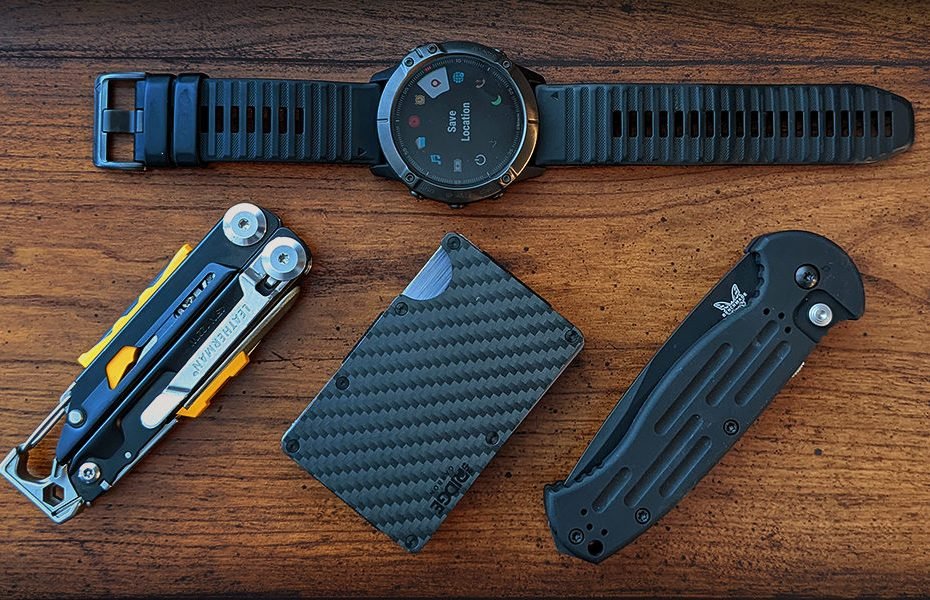
Carrying essential items daily is a fundamental principle for survivalists, preppers, and individuals who prioritize preparedness. The composition of an everyday carry (EDC) setup reflects personal needs, potential risks, and lifestyle choices. One critical consideration is how often to revise and replace the gear in your EDC loadout. Some people prefer consistency, while others frequently adjust based on seasonal shifts, new technological developments, and changing circumstances.
Key Factors That Determine When to Update EDC Gear
Several elements influence the frequency of gear updates. Everything from climate variations to advancements in survival tools, wear and tear, and legal considerations can necessitate modifications to your EDC setup.
Adapting to Seasonal Shifts
The environment you operate in plays a major role in determining what items to carry. In winter, cold-weather accessories like insulated gloves, compact thermal blankets, and hand warmers become essential. When summer arrives, hydration and sun protection gain importance, making water purification tools, a lightweight water bottle, and UV-resistant gear more relevant. Preparing for these transitions ensures you remain well-equipped year-round.
Evaluating Gear Longevity and Wear
All tools experience degradation over time. Knives may require sharpening, flashlight batteries might weaken, and fire-starting gear could become less reliable. Holsters, belts, and pouches endure significant strain from daily use and may lose their structural integrity. Conducting regular checks helps identify when items need repairs, replacements, or upgrades.
Learning from Experience
Personal encounters with emergencies or unexpected events often reveal weaknesses in an EDC setup. After facing a real-world situation, many survivalists reassess their choices. If an individual finds themselves struggling with a particular tool, it may be time to switch to a more efficient alternative. Lessons learned from past incidents can significantly enhance an EDC loadout.
Keeping Up with Technological Advancements
Survival gear continues to evolve with improvements in materials, energy efficiency, and functionality. Lighter, stronger, and more compact tools frequently enter the market. For example, modern tactical flashlights offer higher lumens with longer battery life, and new multi-tools integrate additional features without added bulk. Staying updated on the latest gear ensures optimal performance.
Navigating Legal Regulations
Laws concerning self-defense tools, knives, and firearms vary depending on location. It is crucial to remain informed about local legal changes to avoid carrying restricted or prohibited items. If legislation in a specific area limits certain tools, swapping them for legal alternatives is necessary to maintain compliance.
Establishing a Routine for Reviewing and Updating Gear
The frequency of EDC gear adjustments depends on individual preferences and situational needs. Some people establish a structured schedule, while others update their loadout on an as-needed basis.
Conducting Regular Gear Inspections
Many survivalists set a monthly or quarterly schedule to review their EDC items. This process includes testing electronic devices, replacing expired medical supplies, lubricating knives, and ensuring that batteries are fully charged. A routine assessment prevents critical failures at inopportune moments.
Adjusting After Significant Events
Encountering an emergency, witnessing a crisis, or hearing about a survival situation can prompt changes in EDC choices. If a person experiences an equipment failure or finds a missing tool could have been helpful, they should reassess and refine their gear accordingly.
Adapting to Weather Changes
Transitioning from one season to another requires modifying an EDC setup. Summer demands sun protection, insect repellents, and hydration solutions, while winter necessitates additional insulation, fire-starting gear, and emergency heating options. Carrying seasonal variations ensures optimal preparedness in any climate.
Exploring New Product Innovations
Those who enjoy staying ahead of the curve might update their EDC gear based on newly released products. Innovations in battery efficiency, lightweight materials, and multifunctional designs make frequent upgrades worthwhile. Researching industry trends can help determine whether a new product outperforms an existing tool.
Essential EDC Items That Require Routine Evaluation
Not all elements of an EDC setup demand frequent adjustments, but some should be inspected and updated regularly to maintain effectiveness.
Flashlights and Power Sources
Flashlights are a crucial component of any EDC loadout. Checking battery life, ensuring proper functionality, and considering more efficient models can improve performance. Rechargeable options or models with extended battery longevity may offer a more reliable alternative to outdated versions.
First Aid and Emergency Supplies
Medical kits should be reviewed frequently to ensure that all components are intact and not expired. Items like bandages, antiseptics, pain relievers, and wound dressings must be replaced periodically. Keeping a fully stocked first aid kit guarantees readiness for minor medical emergencies.
Multi-Tools and Cutting Instruments
Pocket knives, multitools, and other sharp implements should be regularly maintained to preserve their cutting efficiency. Over time, blades dull, hinges loosen, and handles wear out. Periodic sharpening, lubrication, and inspections ensure these tools remain functional when needed.
Fire-Starting Gear
Reliable fire-starting equipment is vital for survival situations. Lighters may run out of fuel, matches can become damp, and ferrocerium rods may degrade. Regularly testing fire-starting tools and replenishing supplies ensures they will work when required.
Navigation and Communication Devices
For those who include GPS devices, backup phones, or personal locator beacons in their EDC, software updates and battery life should be monitored. Older models may lack critical functionality or responsiveness, making upgrades necessary.
Expanding EDC for Long-Term Readiness
Beyond daily essentials, some survivalists incorporate additional tools tailored to unique circumstances. This extended carry setup may include emergency shelter materials, backup food supplies, or specialized self-defense tools. Periodically evaluating these extended options ensures their relevance and reliability.
Carrying Specialized Survival Tools
While basic EDC gear covers everyday needs, specialized tools offer extra security. A paracord bracelet, compact emergency blanket, or a collapsible fishing kit might be invaluable in an unexpected survival scenario. Rotating these tools based on travel plans, outdoor adventures, or potential risks enhances preparedness.
Testing and Training with Gear
Owning high-quality gear is only half the equation—knowing how to use it effectively is equally important. Regular practice with knives, self-defense tools, or fire-starting equipment ensures proficiency when it matters most. Simulating emergency scenarios can highlight gaps in an EDC setup and provide opportunities for improvement.
Balancing Weight and Practicality
A well-rounded EDC setup should balance preparedness with practicality. Carrying excessive weight can become burdensome, leading to discomfort and inefficiency. Periodically reassessing an EDC loadout and removing redundant or unnecessary items prevents overloading and ensures a streamlined setup.
Conclusion
Determining how often to change the gear you everyday carry depends on various factors, including durability, environmental conditions, personal experiences, and evolving survival strategies. Some survivalists review their gear monthly, while others wait for a specific reason to make updates. Regular evaluations ensure that each item remains functional, legal, and suited to real-world needs. By staying informed about advancements, legal changes, and seasonal shifts, survivalists can maintain an optimized EDC loadout, enhancing their overall preparedness for any situation.