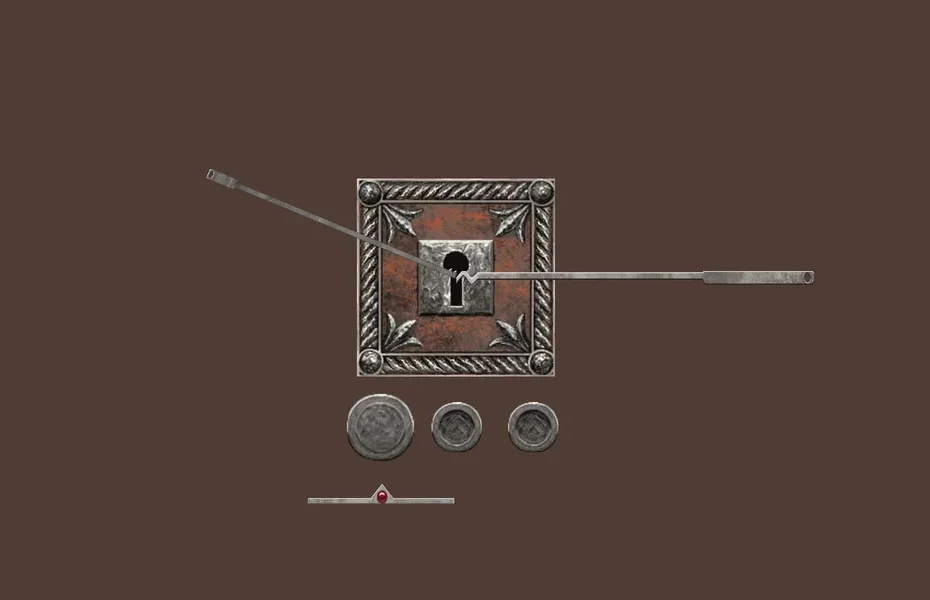
For survivalists and preppers, mastering the art of lock picking is a valuable skill that can prove indispensable in emergency scenarios. Whether you find yourself locked out of a secure location, needing to access crucial supplies, or testing security measures, knowing how to manipulate locks effectively can be a game-changer. By developing proper techniques, using the right tools, and practicing consistently, you can sharpen your ability to pick locks when necessary. This guide delves into the best lock picking practices, offering insights into techniques, ethical considerations, and skill-building strategies to make you more prepared for unpredictable situations.
How Locks Work and Why It Matters
Before attempting to pick any lock, it’s crucial to understand how they function. The most common lock type is the pin tumbler lock, which operates with a set of pins of varying lengths that block the rotation of the plug. When the correct key is inserted, it aligns the pins at the shear line, allowing the lock to turn. Other locks, such as wafer locks, tubular locks, and warded locks, function differently but can also be picked using the right techniques.
By familiarizing yourself with these locking mechanisms, you can determine the best approach to bypassing them efficiently. Studying various locks and their components ensures you develop a keen eye for vulnerabilities and understand what methods work best in different situations.
Essential Lock Picking Tools for Survivalists
A well-equipped lock picking kit contains several essential tools designed for different picking techniques. Some of the most important tools include:
- Hook Picks – Designed for lifting individual pins in pin tumbler locks.
- Rake Picks – Used for quickly manipulating multiple pins simultaneously.
- Tension Wrench – Applies torque to the plug, allowing picked pins to remain in place.
- Bump Keys – Specially cut keys that can be used to jar pins into place when tapped.
- Electric Picks – Battery-powered tools that vibrate pins into alignment.
- Homemade Picks – Paperclips, bobby pins, and other improvised tools can work in emergencies.
While professional tools offer precision, survivalists should also learn how to craft improvised lock-picking tools from everyday objects. Knowing how to adapt in real-world scenarios enhances self-reliance and preparedness.
Techniques for Picking Different Locks
The best lock picking practice involves mastering various methods suited to different lock types. The two primary approaches are single pin picking (SPP) and raking.
Single Pin Picking (SPP)
SPP is a meticulous method that involves manipulating each pin individually. To perform this technique:
- Insert the tension wrench into the keyway and apply slight rotational pressure.
- Use a hook pick to gently lift each pin to the shear line.
- Continue setting the pins one by one until the plug rotates and the lock disengages.
Though this method requires patience, it is the most reliable technique for high-security locks with advanced pin configurations.
Raking
Raking is a faster approach designed to work on standard pin tumbler locks. This method involves:
- Placing the tension wrench into the lock and applying minimal torque.
- Inserting a rake pick and moving it back and forth to jostle pins into position.
- Gradually increasing pressure until the lock opens.
While raking can be effective, it is less precise than SPP and may not work on more complex locks with security pins.
Ethical Considerations and Legal Implications
Lock picking should be approached with responsibility and ethical awareness. It is illegal in many areas to possess lock-picking tools without proper authorization, and using them to gain unauthorized access is a criminal offense. Always research local laws before practicing lock picking, and only apply your skills in lawful situations.
For survivalists, lock picking is about preparedness, not exploitation. Whether you’re testing security vulnerabilities at home, gaining access to abandoned locations in emergency scenarios, or retrieving supplies, ethical applications of lock picking are paramount. Practicing on your own locks or with explicit permission ensures you develop this skill legally and responsibly.
Developing Dexterity and Sensory Awareness
A crucial aspect of lock picking is developing fine motor skills and the ability to interpret subtle feedback from the lock. To enhance your dexterity and sensitivity:
- Regularly practice on different lock types to gain experience with various mechanisms.
- Maintain a light touch to avoid forcing pins, which can make picking more difficult.
- Train your fingers to detect minute changes in pin movement and tension.
- Work in a quiet space where you can hear and feel the slight clicks of pins setting in place.
Using transparent practice locks is an excellent way to visually understand how picking affects pin movement. Additionally, progressively challenging yourself with more complex locks will improve overall proficiency.
Overcoming Common Challenges
Even experienced lock pickers face difficulties when working with certain locks. Some common problems and their solutions include:
- Hard-to-Set Pins – If a pin won’t stay in place, adjust your tension or switch to a different picking technique.
- Overset Pins – Reduce tension and let the pins reset before trying again.
- Security Pins – Some locks have spool, serrated, or mushroom pins that require a more delicate touch and counter-rotation techniques.
A great way to prepare for these challenges is by practicing on various lock types, from simple padlocks to high-security deadbolts.
Lock Picking in Survival Scenarios
For survivalists, lock picking can be a crucial skill in real-world emergency situations. Here are some scenarios where this ability might be life-saving:
- Accessing Shelter – In urban survival situations, abandoned buildings or locked structures may provide necessary refuge.
- Retrieving Supplies – Gaining access to food, medical kits, or tools in an emergency could be critical.
- Evading Dangerous Situations – If trapped or locked in a hazardous location, knowing how to bypass locks could mean the difference between safety and peril.
However, ethical considerations should always come first. Using lock-picking skills responsibly ensures that they remain a practical survival tool rather than a means for unlawful activity.
Expanding Your Lock Picking Knowledge
Becoming proficient at lock picking requires continuous learning and practice. Consider the following ways to expand your knowledge:
- Study lock-picking manuals and online resources to learn about new techniques.
- Join legal lock sport communities where you can exchange knowledge and refine your skills.
- Attend workshops or locksmith training programs for hands-on instruction.
- Challenge yourself with progressively harder locks to improve problem-solving abilities.
Lock picking is not just about technical skill; it is a blend of patience, precision, and adaptability. The more exposure you have to different lock mechanisms, the better prepared you’ll be for unexpected situations.
Conclusion
Lock picking is an essential skill for survivalists, offering access solutions in emergency situations while reinforcing self-reliance. By understanding different lock mechanisms, using proper tools, and practicing ethical applications, you can become proficient in this valuable craft. Developing sensory awareness, refining techniques, and continuously challenging yourself with various locks will ensure that you are prepared for any scenario where lock picking could be necessary. Ultimately, mastering this skill enhances preparedness, resourcefulness, and adaptability in uncertain conditions, making it a crucial addition to any survivalist’s toolkit.