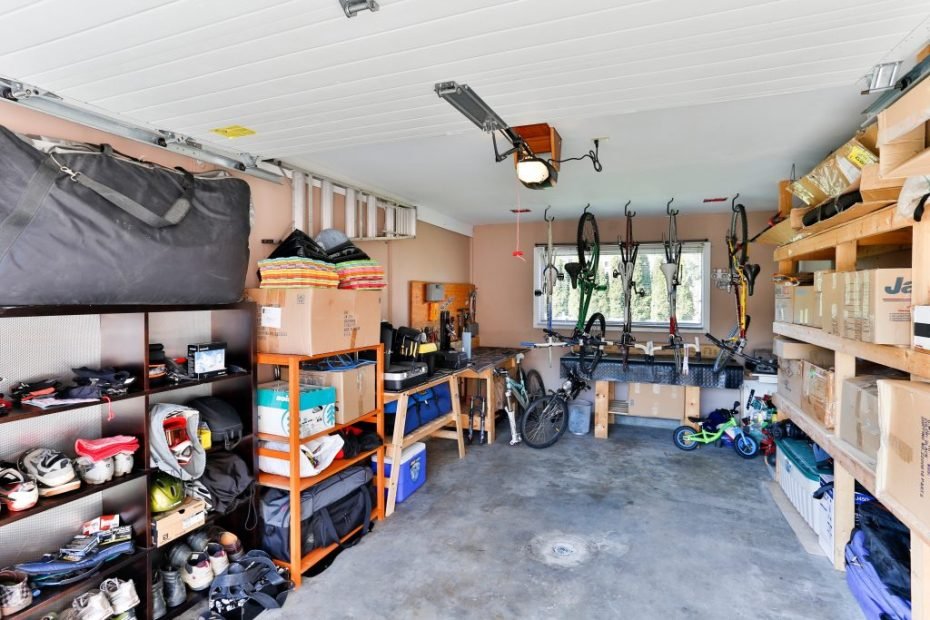
Picture this: A sudden disaster strikes, and you’ve no time to scramble for supplies. You remember the cache of camping gear in the garage, but will it suffice?
Whether you’re facing a natural disaster or finding yourself stranded on a remote hiking trail, survival hinges on readiness. One significant factor? The survival gear you have on hand. In this post, we’ll uncover survival tools possibly gathering dust in your garage and teach you how to put them to lifesaving use. Ever considered which survival gear hidden in your garage could come in handy? Let’s find out!
Section 1: Hidden Treasures – The Underrated Survival Gear in Your Garage
A garage is more than just a parking space; it often doubles as a store for tools, sporting goods, and camping gear. Let’s explore some survival equipment you might have stashed in your cluttered garage:
A. Camping Stove or BBQ Grill: During emergencies when regular cooking appliances may be inaccessible, compact camping stoves or BBQ grills can potentially save the day. With your trusted camping stove, you can sterilize water, cook food, and even provide heat.
B. Winter Gear: Items such as sleeping bags, thermal blankets, gloves, hats, and waterproof boots are great multipurpose survival tools. They provide warmth, can be used as makeshift shelters, signal for help, or wrap injuries.
C. Old Cell Phones: Even without a service plan, old cellphones can call 911, which can be a lifesaver in emergencies.
Section 2: Garage Tools With Hidden Survival Applications
Every garage is a potential goldmine of makeshift survival gear:
A. Multi-tool or Swiss Army Knife: A seemingly ordinary multi-tool hidden in your tool drawer, like the Leatherman Wave+, can be a life-saving piece of survival gear. Its multitude of functionalities such as a knife, screwdriver, saw, can opener, and wire strippers can help build shelters, prepare food, perform first aid, and other survival tasks.
B. Heavy-Duty Trash Bags: Trash bags aren’t just for garbage. They can be used to collect rainwater, build a shelter, carry supplies, or even as a poncho to stay dry.
C. Garden Hose: In dire times, a garden hose can be used as a makeshift rope, a tourniquet, a bucket handle, or even as a siphon to draw water.
Section 3: Real-life Applications of Garage Survival Tools
In the aftermath of Hurricane Katrina, many survivors were stranded on rooftops. One such survivor used his garden hose to signal for help, which eventually led to his rescue. Such stories underline the importance of thinking outside the box when it comes to survival tools.
Old cell phones can work wonders too. In 2007, a mountaineer trapped under a rock in Colorado, used the GPS on his outdated cell phone to guide rescuers to his location, saving his life.
Section 4: Dispelling Myths and Avoiding Mistakes
One common misconception is that big-budget, specialized gear is the only option for survival. However, survival is more about resourcefulness and less about the gear. For example, a high-cost survival knife might be an asset, but in its absence, a multi-tool or even a regular kitchen knife could serve the purpose.
Knowing how to use what you have effectively is the key. A garden hose might seem like an ordinary tool, but knowing how to use it for siphoning water or signaling for help can be a lifesaver.
In conclusion, your garage is a potential treasure trove of survival gear. The key is to look beyond conventional uses and consider how these everyday items can have extraordinary life-saving applications. Don’t wait for a disaster to strike; go assess your garage now. Your foresight could make all the difference when it counts the most. So let’s start prepping and be ready for anything!
Remember that survival isn’t all about expensive gear. It’s about resourcefulness and using available resources to your advantage. So go ahead and discover your garage’s hidden survival treasures today!
Remember to use any key terms associated with survival gear, such as “emergency preparedness,” “survival techniques,” and “hidden treasures,” and link to credible sources for further reading and reference.
Always be as precise as possible when describing the potential uses and pros and cons of each item, and avoid giving generic advice. Use bold text for section headers for better readability and a clear structure.