Introduction
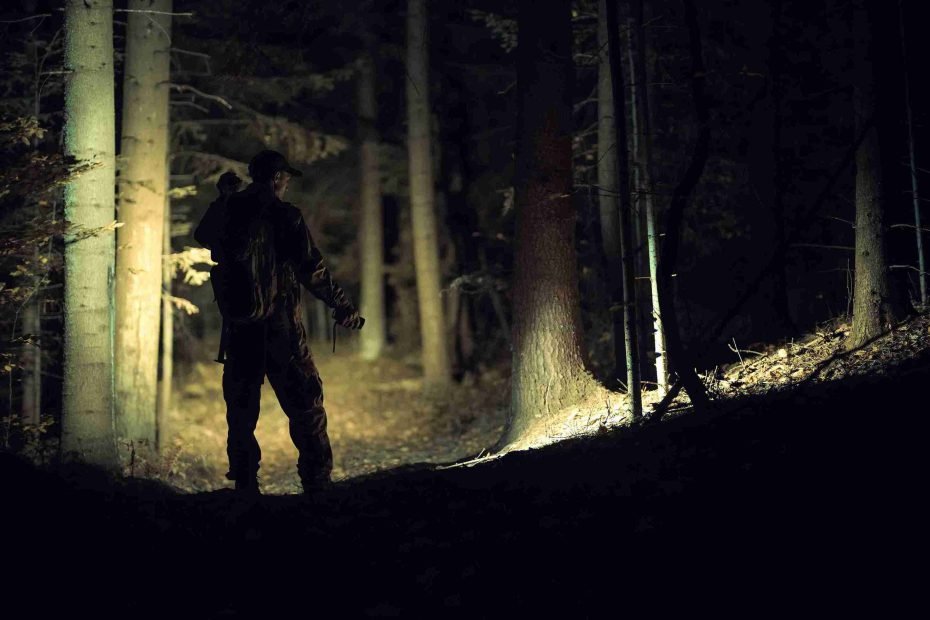
Imagine it’s late in the evening and you’re on a camping trip miles away from civilization. You’re enjoying the tranquility of mother nature when you realize that you’ve strayed a bit too far from your campsite. The full darkness is settling down and the tricky terrain is dangerously unfamiliar. In this situation, your ability to survive and find your way back entirely depends on your skill to navigate in the dark. The question is: Are you prepared for such a situation?
This blog post aims to guide you through the best survival strategies for navigating in the dark. We will recommend specific tools and devices that will help you conquer the dark efficiently and safely. This in-depth analysis will be broken down into three major sections where we will look at survival gear appropriate for nocturnal navigation, techniques that can help you stay on track, and useful strategies to avoid common pitfalls.
Body
Section 1: Survival Gear Recommendations for Night Navigation
When caught in darkness, a handful of efficient and reliable tools can make the difference between a walk in the park or a nightmare. Let’s take a look at a few of these saviors.
1. Headlamps and Flashlights: The Black Diamond Spot Headlamp, which offers up to 300 lumens of adjustable brightness, is a top pick for survivalists. A handheld flashlight such as the Anker Bolder LC90 Rechargeable Flashlight, with its robust build and five different light settings, is another prime choice.
2. Night vision devices: The Bushnell Equinox Z Digital Night Vision Monocular offers crystal clear viewing in the darkest scenarios. Its rugged, weather-resistant design makes it a reliable companion.
3. Glow sticks: You may think of these as party accessories, but glow sticks like Cyalume SnapLight Industrial Grade Light Sticks can be instrumental for marking trails and signaling for help.
Section 2: Techniques For Navigating In The Dark
Proficient navigation isn’t just about having the right tools but also knowing how to use natural signs to guide your way. Here are a few techniques that can come in handy:
1. Star Navigation: Techniques such as the North Star method or the Southern Cross method can point you towards the right direction in clear night skies.
2. Sound Navigation: At night, sounds become more prominent. The distant sounds of flowing water or nocturnal animals can be used to your advantage.
Section 3: Strategies to Avoid Common Pitfalls
Darkness can often lead to common mistakes that can turn a manageable situation into a dangerous predicament. Here are some tips to avoid these pitfalls:
1. Always stay alert and avoid rushing as it can lead to injuries.
2. Regularly check your equipment for any damages or malfunctions.
3. Try not to rely solely on technology as it can fail. Instead, learn to trust your instincts and abilities.
Conclusion
Navigating in darkness is a skill that can be learned and honed with time and experience. From understanding the importance of effective tools such as headlamps, night vision devices, and even glow sticks to techniques that rely on natural elements, our guide provides practical and actionable advice that can be applied immediately. Remember, darkness is just an absence of light, and with the right survival strategies, you can be the light that will guide your way. Don’t wait for darkness to engulf you unprepared; equip yourself with the knowledge and gear to turn every pitch-black night into another remarkable survival tale.
Remember, it’s not about how much darkness surrounds you, but about how much light you can bring into the darkness!