There’s a widely accepted saying among survival enthusiasts: “Humans can survive for weeks without food, days without water, but only hours without story.” Today, we will dwell on the second factor: water. What if you were stranded in a remote location without access to clean drinking water? Would you know how to purify water to stay hydrated and avoid waterborne illnesses? In this post, we will explore survival water purification methods, decipher what works best, and offer you practical advice and product recommendations to prepare you for all possible scenarios. So get ready to dive in and ask yourself, “Do I know how to secure clean drinking water if my life depended on it?”
Section 1: Water Purification Methods and Their Efficacy
When it comes to survival, not all water treatment methods are created equal. Some require special gear and time, making them less ideal for emergency situations, while others are more reliable and efficient.
Boiling is the most common and reliable method of survival water purification. All you need is a heat source and a metal container. Even in base camp survival situations, a Stanley Adventure Camp Cook Set (under $25) can serve as a minimalist option for boiling water. However, it’s time-consuming and not viable if you don’t have a heat source.
On the other hand, water purification tablets are lightweight, easy to use, and effective against a range of bacteria and viruses. The Aquatabs Water Purification Tablets ($10 for 100) are reliable and budget-friendly. Simply drop a tablet into your water source and wait for 30 minutes. However, they can leave an unpleasant taste and may not be as effective in murky water.
Section 2: Advanced Filtration Systems: Features, Comparisons, and Value
For off-grid survival, a portable water filter can be your lifesaver. They vary in size, price, and functionality.
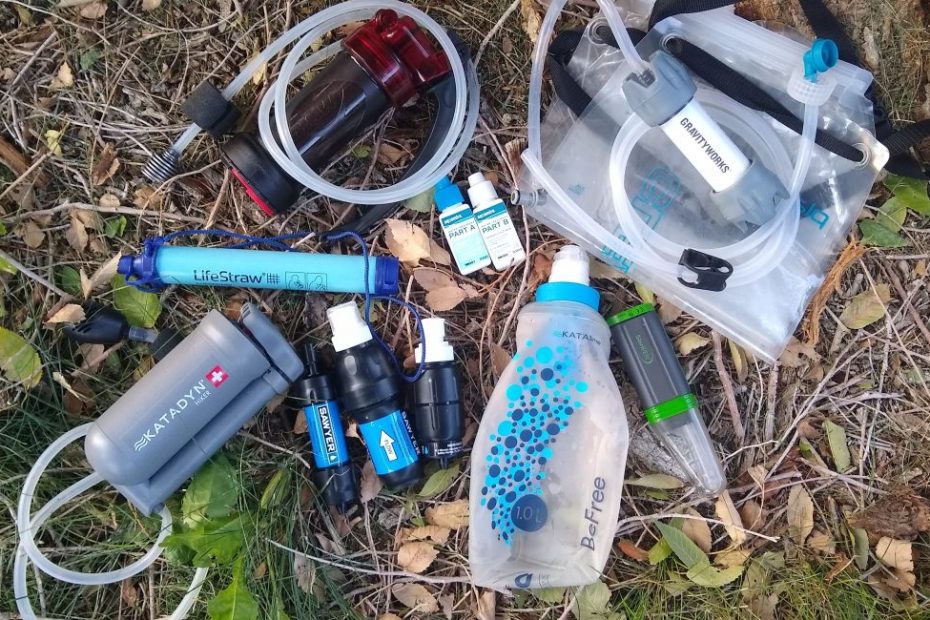
The Sawyer Products Mini Water Filtration System (around $20), a popular choice among backpackers, removes almost all bacteria and protozoa from water while being lightweight and easy to carry. However, the plastic pouches tend to wear out and must be replaced over time.
For a more long-term solution, the LifeStraw Family 1.0 ($90) is an excellent choice. It provides a high flow-rate, making it suitable for groups or family use, and is capable of filtering out viruses – something many portable filters can’t do.
Section 3: Real-World Applications and Use Cases
Various situations call for different water purification methods. If you’re on a day hike and carrying minimal gear, a LifeStraw Personal Water Filter ($20) could suffice. For multi-day treks, consider combining boiling with filtration or chemical treatment for increased safety. In prolonged wilderness survival scenarios, a solar still is a viable method for collecting and purifying water.
Section 4: Common Myths or Misunderstandings About Water Purification
A common myth is that running water is always safe to drink. While moving water might have fewer bacteria, it can still be contaminated. That’s why it’s essential to use a verified purification method, regardless of the perceived purity of the source.
In conclusion, having a solid understanding of survival water purification methods is an absolute necessity for anyone venturing into the wilderness or preparing for potential disasters. From boiling to advanced filtration systems, there are several methods to suit different situations and budgets. Whether you choose a budget-friendly LifeStraw or invest in an advanced LifeStraw Family filter, the key is to understand how to use them effectively and when to use them. The next step is yours: invest in a survival water purification system and equip yourself with the knowledge to use it effectively. Remember – preparation is the key to survival.