Introduction
Imagine you’re on your much-anticipated hiking trip and suddenly find yourself lost, away from civilization. You’re equipped with a backpack but you soon realize the importance of water – one of the most crucial aspects of survival. “Is it safe to drink the water from a nearby stream or snowcap?” – you might wonder.
This blog post seeks to take away those questions and provide you with the knowledge to identify safe water sources should you find yourself in such a predicament, as well as the recommended gear that you may consider to keep yourself safe and hydrated in the wild. Have you ever thought about what gear might be useful when trying to secure a safe drinking water supply in nature? Let’s find out!
Main Body
Section 1: Identifying Safe Water Sources
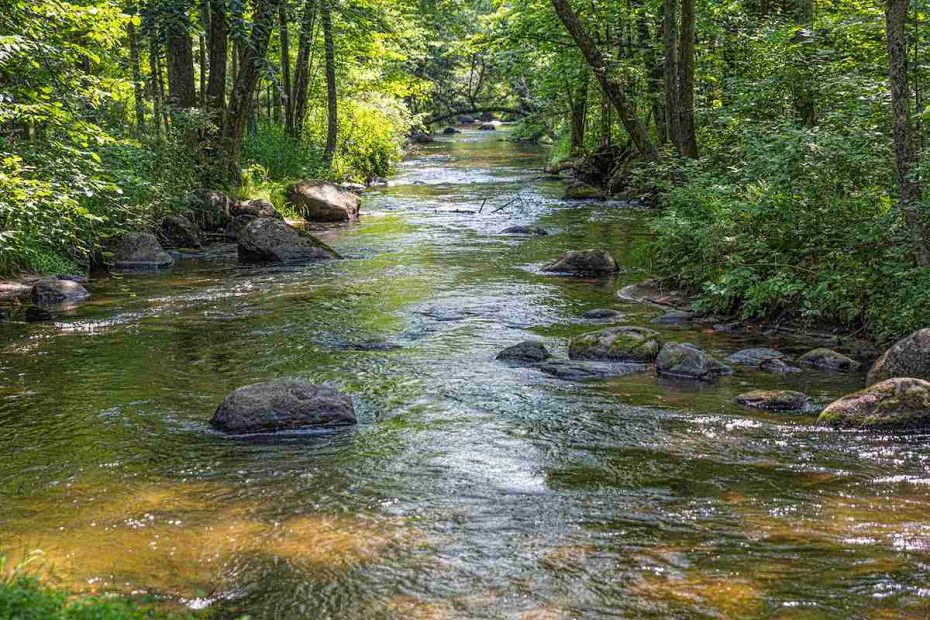
Recognizing safe water sources is essential for survival. Fresh, fast-moving water such as streams, rivers, and brooks is generally safe in terms of bacterial load. However, in higher altitudes, you can also consider collecting fresh snow for drinking water.
For stagnant water bodies, it’s safer to avoid them as they harbor harmful bacteria and parasites. Natural springs, geysers, and wells can serve as reliable water sources, provided they aren’t contaminated with surface water.
Remember, the clearest or the fastest running water source doesn’t guarantee safety from pathogens or chemicals. It’s always better to use water disinfectants or purifiers, like the Sawyer Squeeze Water Filter System or the SteriPen Ultra UV Water Purifier for additional peace of mind.
Section 2: Purification Methods and Equipment
Even if you’ve found what seems like a safe water source, taking some precautions is advisable. Boiling is the most reliable method to kill off bacteria and parasites but requires a reliable heat source and a sturdy pan or pot. A Pathfinder Stainless Steel Bush Pot is a great piece of gear to have on hand.
Portable water filters are excellent for removing particulates and most bacteria. The LifeStraw Personal Water Filter is a popular choice due to its lightweight, compact design, and impressive filtration capabilities.
For viruses that are too small for filters, water purification tablets or UV light sticks, like the Potable Aqua Water Purification Tablets With PA Plus and the CrazyCap 2.0 UV Water Purifier & Self Cleaning Stainless Steel Water Bottle, can be lifesavers.
Section 3: Avoiding Common Myths and Mistakes
Many survivalists follow the myth that clear water is safe to drink. A clear-looking water source can still be contaminated with microscopic pathogens or invisible chemicals. Always purify your water before consumption.
Another common misconception is that water in plants (e.g., cactus) is safe to drink. Most desert plants contain harmful compounds, making them unsafe.
Conclusion
Finding safe water sources and knowing how to purify the water you find are essential survival skills. Equip yourself with reliable gear like water filters and purifiers. And remember, clear does not always mean clean. It’s better to always sterilize your water to ensure your safety.
Don’t wait until you’re lost in the woods to learn about water safety – equip yourself with the knowledge and tools you need today!
Remember to use keywords naturally throughout the post like “finding safe water sources,” “water purification in the wild,” and so on. Include relatable internal and external links for easy reference. Use bold for section headings and clear paragraph divisions for easy readability.
Don’t forget to focus on real-life scenarios and specific product recommendations for convenience and practical tips like explaining the importance of always purifying water, rather than just stating its importance.