Introduction
There’s a specific kind of serenity felt when you’re deep in nature, away from technology and civilization, listening to the natural sounds of the wild. Until you remember that survival in the wild requires more than peace of mind. As a backpacker or survival enthusiast, your excitement can turn into anxiety if you aren’t well-prepared, especially when it comes to having access to clean, drinkable water. One vital tool for such endeavors is a reliable water collection system. How can one build such a system in the wild?
Welcome to our comprehensive guide where we provide detailed steps and water collection strategies to prepare you for outdoor survival. This post will do more than just skim the surface. We will dive deep into various survival techniques and product guides meant to help you build a high-functioning water collection system in the wild.
Ever wonder about what water collection equipment you need for survival in the wild? How do you build a system from scratch? Which raw materials are best to utilize? This guide will answer these questions and more.
Main Body
**Section 1: Recommendations for Water Collection Equipment**
Even though the focus of this guide is to help you build a water collection system from raw materials accessible in the wild, having some essential equipment on-hand can significantly improve your chances of survival. Examples include:
– The LifeStraw Personal Water Filter (under $20) is compact and affordable. It filters up to 1000 gallons of contaminated water into safe drinking water. In essence, it’s a mini water treatment plant in your pocket. Ideal for emergencies and outdoor activities.
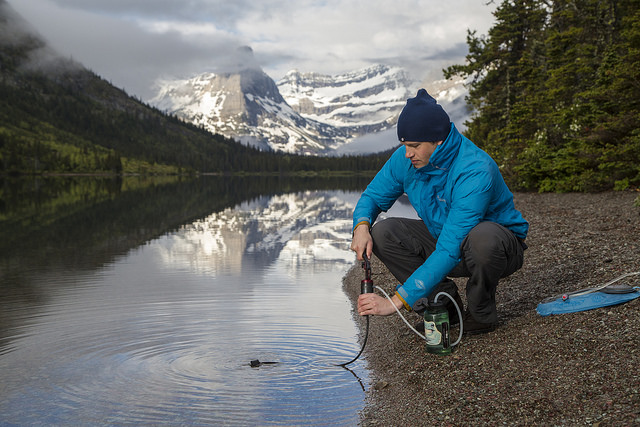
– For backpackers who can afford to carry more gear, the MSR Miniworks Ex Microfilter (around $90) is an excellent choice. A sturdy ceramic filter removes bacteria, protozoa, and other contaminants while offering a smooth flow rate. A workhorse for the serious adventurer.
**Section 2: Building a Water Collection System**
Building a reliable water collection system involves a selection of natural materials and a keen sense of resourcefulness. Here’s a step-by-step guide:
1. Find a tarp or a large leaf. Secure it at a slope by tying its corners to tree branches.
2. At the lower end of the slope, place a small depression in the ground, where a container (e.g., hydration bladder or canteen) can be positioned to collect water.
3. Any rain caught by the tarp or leaf will naturally travel down the slope and into your collection container.
**Section 3: Real-World Applications**
You might be wondering: “When would I ever need to build a water collection system in the wild?” Here’s a real-world scenario: You’re a hiker in a remote area, and your water supply is running low. Nearby water sources are contaminated. Your only option is to rely on rainfall or dew, and your tarp-water collection system suddenly becomes a lifesaver.
**Section 4: Common Myths**
One common misconception is that all water in the wild—lakes, streams, etc.,—are safe for drinking. However, numerous invisible threats like bacteria and protozoa thrive in these water bodies. Always treat water collected, either from natural sources or rain, before ingestion.
Conclusion
Understanding how to effectively build a water collection system is fundamental to survival in the wild. We’ve delved into essential water collection equipment like the LifeStraw Personal Filter and the MSR Miniworks Ex Microfilter, and even taught you how to build a rainwater collection system using only a tarp or large leaf. With the knowledge shared, we hope you can now confidently journey into the wild, safe in the knowledge that you can secure clean, drinkable water – an essential aspect of survival.
Remember, the value of these skills cannot be overstated. Now that you’re armed with actionable information, do you think you’re ready to explore the wilderness with newfound confidence and equipped survival skills?