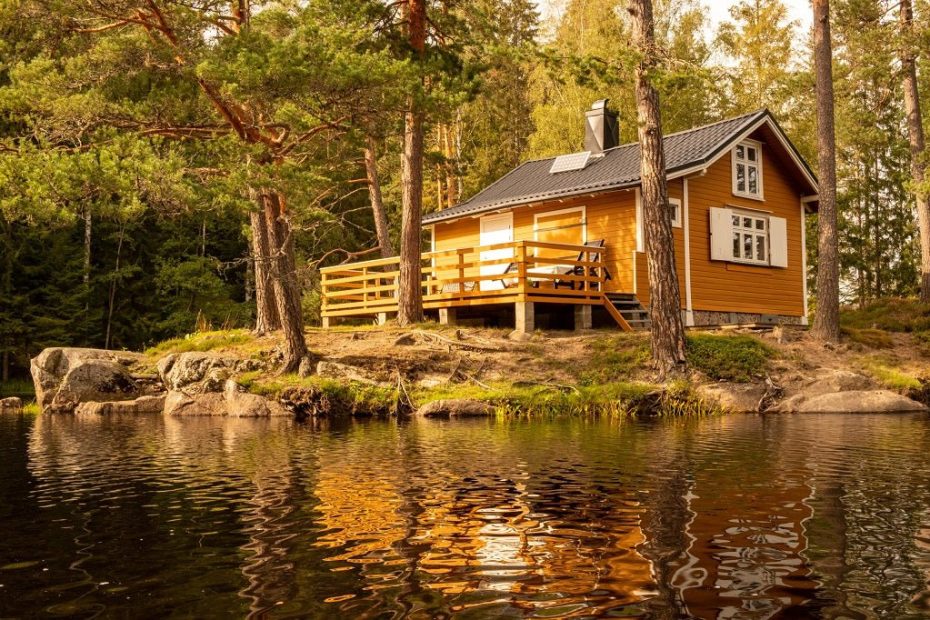
Living off-grid refers to a self-sufficient lifestyle where you are completely or partially disconnected from public utilities, such as electricity and water, and sometimes even internet and phone services. This lifestyle is appealing to many as it is eco-friendly and offers freedom, independence, and the opportunity to connect with nature. However, getting started with off-grid living requires not only commitment but also a lot of careful planning and preparation, especially when it comes to gathering essential survival gear and mastering survival techniques.
Have you ever daydreamed about escaping the hustle and bustle of city life, yearning for a simpler, more connected way of living? Whether prompted by a desire for self-reliance, a shift towards sustainable living, or an innate call to reconnect with nature, off-grid living could be your answer.
In this post, we’ll explain everything you need to get started with off-grid living. We’ll dive deeply into survival gear recommendations such as water purification systems, food storage solutions, off-grid power options, and survival tools.
**Section 1: Essential Survival Gear**
Surviving – and thriving – in an off-grid environment requires a specific set of tools that help ensure your basic needs are met. Let’s take a look at some of the most essential items you’ll need.
Water Purification System: The LifeStraw Family 1.0 Portable Gravity Powered Water Purifier is an ideal choice for off-grid living. It’s a simple, gravity-fed water purifier that removes 99.99% of bacteria, viruses, and parasites.
Portable Power: The Jackery Portable Power Station Explorer is a compact generator that runs on solar power. It comes with a 24,000mAh battery, allowing you to charge your devices multiple times.
Survival Tools: The Victorinox Swiss Army Multi-Tool is a compact tool that includes 33 functions, from a large blade to a fish scaler, making it essential for every survivalist.
**Section 2: Survival Techniques**
Living off-grid often requires homesteading abilities such as gardening, animal husbandry, and hunting. Building your skills in these areas increases your self-sufficiency and reduces reliance on outside resources.
Gardening: Learning to cultivate your own vegetables is key to survival. Start by planting hardy, nutrient-dense vegetables like potatoes, carrots, and beans.
Hunting/Fishing: Hunting or fishing for food can provide a rich source of protein. A survival bow, like Samick Sage Takedown Recurve Bow, is versatile and lightweight, ideal for hunting small game.
**Section 3: Off-Grid Power Solutions**
Creating your own power off-grid is essential. Solar power is a popular choice, but wind and hydro power are also viable options, depending on where you live.
Solar Power: Renogy 100 Watt 12 Volt Monocrystalline Off Grid Portable Foldable Solar Panel is a good option for beginners. It’s easy to set up and use, and offers enough power for most basic needs.
Wind Power: Nature Power 400W Wind Turbine is a great option for areas with consistent wind. It can supplement a solar system on cloudy days.
**Section 4: Common Misconceptions**
One common misconception is that off-grid living requires a complete disconnect from society, but this isn’t necessarily true. It’s entirely possible to live off the grid while still maintaining a job, social connections, and even internet access.
Conclusion:
Embarking on an off-grid lifestyle is a significant commitment. It requires planning, patience, and a willingness to learn. It certainly isn’t easy, but the rewards can be immense: freedom, self-reliance, a deeper connection with nature, and a lower environmental footprint. Start your off-grid journey today – your future self will thank you.