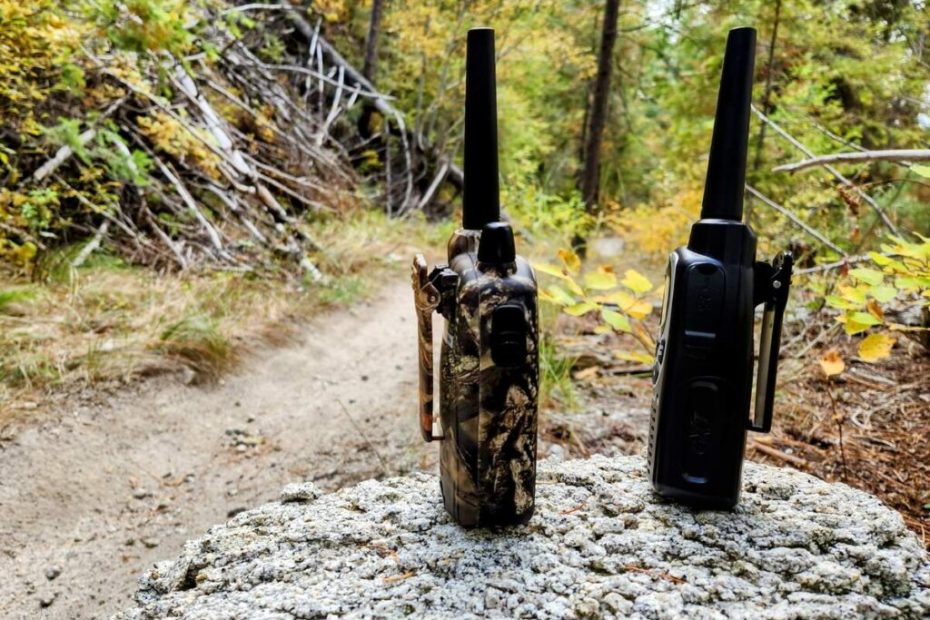
Imagine this: You’re lost in the dense forest, the sun is setting, and your GPS is dead. Your smartphone has only a few minutes’ worth of battery left. Every direction you look is endless greenery. You were supposed to be back home by now, but you lost your way. Suddenly, you realize the importance of having a survival radio in crucial situations like this one!
Survival radios offer the potential for communication and critical information in times of crisis, whether you’re lost in a forest, caught in a storm, or facing an emergency situation. This blog post will cover how to choose the right survival radio for communication, with a focus on different types of radios, their features, and their advantages and disadvantages. So, if you have ever felt the need of a reliable communication device during emergencies or wondered how to choose the right survival radio, this blog post might be the very information you needed.
# Detailed Recommendations: Types of Survival Radios
There are various types of survival radios in the markets including Hand Crank Radios, Solar-Powered Radios, Shortwave Radios, and Satellite Radios. Each type has its pros and cons and is suitable for different situations.
1. **Hand Crank Radios:** An excellent example in this category is the “RunningSnail Solar Crank NOAA Weather Radio”, priced under $30. This radio is best for survival situations due to its multiple charging methods, ability to access all seven NOAA weather band stations and powerful flashlight.
2. **Solar-Powered Radios:** “FosPower Emergency Solar Hand Crank Portable Radio”, priced around $35, is a top-notch survival radio option. It is equipped with multiple power sources, a built-in flashlight, and a mobile charging facility.
3. **Shortwave Radios:** The “Eton Grundig Satellit 750 Ultimate,” priced around $300, allows access to worldwide programming. Radios in this segment may seem pricey, but they offer a wide range of features such as powerful receptions and batteries.
4. **Satellite Radios:** In the high end, with a price of around $500, there is the “Garmin inReach Mini,”an extremely light and powerful satellite communicator for survival situations.
# Product Features, Comparisons, and Value
When comparing survival radios, the critical factors one must look at are the number of charging methods, the type of frequencies accessible, extra emergency features, and, of course, durability. For example, although the RunningSnail and the FosPower radios are in the same price range, the latter offers more functionality and durability, thus providing better value for money.
# Real-World Applications and Use Cases
Choosing the correct survival radio depends heavily on the application and environment. While the RunningSnail radio might be perfect for an urban emergency scenario due to its compact design and all-weather availability, the Garmin inReach Mini is tailored to fulfill the needs of wilderness survival because of its global communicating prowess.
# Common Myths or Mistakes
One common myth is that the priciest survival radio is always the best. However, often the best radio for you will be the one that suits your specific needs and budget. For example, a budget radio, such as the RunningSnail, will often perform just as well for most emergencies without breaking the bank.
Let’s summarize what we have learned so far: Choosing the right survival radio can be a challenging task given the wide options available but considering the environment, frequency range, power sources, extra features, and budget will guide you to make the right choice. The next step is to view these products in their respective stores or websites, read detailed specifications and customer reviews. Only then can you make an informed decision to buy a survival radio. Don’t wait for the unexpected to catch you off guard—equip yourself with the best survival radio today!