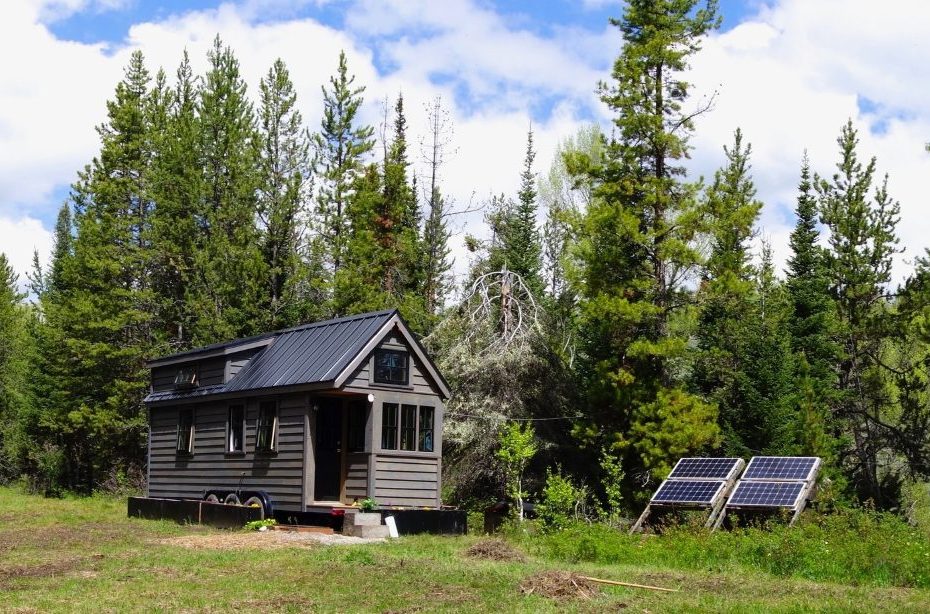
Living off-grid is becoming increasingly popular as people around the globe seek to escape the limitations of traditional lifestyles and enjoy the freedom and fulfilment of sustainable, self-reliant living. Whether by choice or the result of unforeseen circumstances, preparing your home for off-grid living is a serious commitment that requires careful planning and preparation.
To fully step into the world of off-grid living, you need to embrace the spirit of self-reliant survival, and that begins with being properly equipped. Survival gear such as quality knives, multi-tools, water purifiers, solar panels, and proper shelter are crucial.
In this post, we will explore how to prepare your home for off-grid living, focusing on the most crucial gear, techniques and strategies for off-grid survival. Whether you’re just casually interested or actively planning the off-grid leap, this comprehensive guide has you covered.
Have you ever wondered how to power your home when the grid goes down, or what type of water purifier you should invest in for a self-sufficient lifestyle? Read on to find out.
Now, let’s jump right into the recommendations for off-grid living.
**Section 1: Essential Survival Gear**
Survival gear is a broad category that includes everything from knives and tools to shelter and fire-starting methods. The first thing on your list should be a high-quality knife. The Cold Steel SRK in VG-1 is an affordable yet reliable option with a 6-inch stainless steel blade that is perfect for chopping, slicing, and other general survival tasks.
A multi-tool is another crucial item for off-grid living. The Leatherman Charge+ is a flagship multi-tool, with 19 different functions, including pliers, wire cutters, screwdrivers, and a high-quality knife blade.
When it comes to shelter, the ALPS Mountaineering Lynx 1-Person Tent makes for a fantastic lightweight and durable shelter. While for power solutions, the Goal Zero Yeti 400 Portable Power Station with the Nomad 50 solar panel is a reliable combo, providing plenty of juice for lights, phones, laptops, and small appliances.
**Section 2: Comparisons and Value**
It’s essential to weigh the cost against the value and utility of the gear. The Cold Steel SRK, for instance, might not be as sophisticated as the high-end Benchmade Bushcrafter, but it provides excellent value for its cost – perfect for those on a budget.
On the other hand, the Leatherman Charge+ may be pricier than the Gerber Dime, but with 19 tools compared to the Dime’s 10 and improved durability, the extra expense is justifiable for the significant increase in functionality.
**Section 3: Real-World Applications**
Understanding how and where to use your gear can be lifesaving when facing survival scenarios. The Benchmade Bushcrafter is a pricey knife but has the durability and strength to handle heavy-duty tasks such as splitting logs and shelter construction.
The Leatherman Charge+ excels in versatile scenarios, thanks to its array of tools – whether you’re repairing your off-grid solar system or preparing food, it’s got you covered.
**Section 4: Common Myths or Mistakes**
A common misconception is that preparing for off-grid living is prohibitively expensive. But as demonstrated by our earlier examples (e.g., Cold Steel SRK), you can find high-quality, affordable options for survival gear.
Another myth is that off-grid living will drastically lower your standard of living. However, with planning and the right equipment, you can enjoy conveniences like electricity and clean water in your off-grid home.
Starting your journey towards off-grid living involves acquiring the right gear, mastering necessary survival skills, and dispelling myths and fears. But remember, off-grid living is about more than just surviving—it’s about thriving in your independence and self-reliance.
By following the advice in this guide, not only will you be prepared, but you will also be equipped with the confidence and skills to lead a fulfilling off-grid life. Now, are you ready to take the plunge?