Introduction
Have you ever thought about what would happen in case of an unexpected natural disaster, or even a zombie apocalypse, where all the luxuries of modern life disappeared instantly? Can you survive and provide for your family if the grocery stores suddenly emptied out, never to be replenished? This might sound like an absurd thought, caught between a dystopian future and an improbable reality. However, being prepared for an unforeseen circumstance is never a bad idea.
This blog post goes back to the basics of human survival, i.e., food. More importantly, we’ll explore the methods of food preservation that can ensure you have a reliable food source even during times of scarcity. With a focus on canning and preserving food for long-term storage, we will provide practical tips, techniques, and tools that you can use immediately to start your journey towards preparedness.
Section 1: Detailed Recommendations for Food Preservation
For successful long-term food preservation, you must diversify the methods of food preservation you employ. This not only ensures longevity but also keeps the variety in your diet. Here are three essential food preservation techniques:
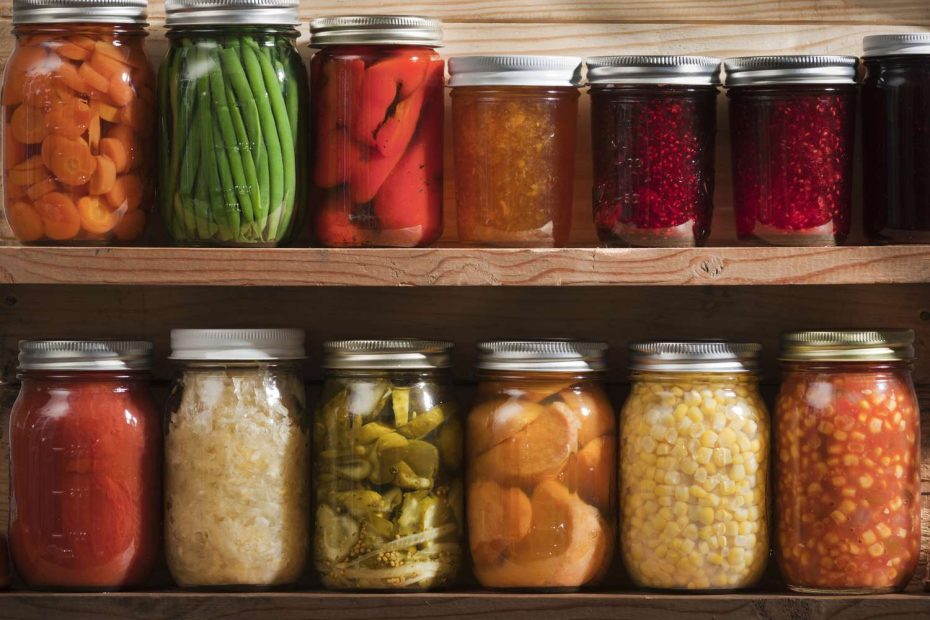
1. Canning: This process involves placing foods in jars or similar containers and heating them to a temperature that destroys micro-organisms which cause food to spoil. A great starter kit is the Presto Pressure Canner and Cooker (around $100), which comes with a detailed instructional book.
2. Dehydrating: Food dehydrators like the Nesco Gardenmaster (under $100) are ideal for preserving fruit, vegetables, and meat. This method removes moisture, inhibiting the growth of bacteria and yeast.
3. Freezing: Vacuum sealers, such as the Foodsaver V4400 2-in-1 Vacuum Sealer Machine ($176), remove air and seal foods for optimal freezing.
Section 2: Product Features, Comparisons, and Value
Comparing certain product features like capacity, energy consumption, ease of use, maintenance, and price can help you select the best fit for your requirements.
Section 3: Real-World Applications and Use Cases
Each preservation method has its unique benefits and is applicable in different situations. Canning is perfect for preserving things like soups and sauces for ready-to-eat meals. Dehydrating works excellent for retaining the nutritional content of fruits, vegetables, and meats, making it ideal for snacking or camping. Freezing is great for long-term storage, as it retains food’s original texture, flavor, and nutritional value.
Section 4: Common Myths or Mistakes related to Food Preservation
A common myth is that home preservation might be unsafe or does not preserve food as effectively as commercially canned good. In reality, home preservation, when done correctly with clean and high-quality equipment, can be equally effective and nutritious.
Conclusion
Long-term food preservation is crucial to ensure survival in scenarios of scarcity. However, it can also serve as a beneficial day-to-day practice that helps you farm economically, reduce waste, and maintain a healthy, self-sufficient lifestyle. So why wait for the next disaster forecast? Start your food preservation journey today with our recommended gear and techniques.
You never know – these skills might turn out to be lifesavers during an unlikely turn of events. Or, at the very least, you’ll become a champion of sustainable living!