Getting lost or stranded in the great outdoors can be a riveting adventure and at times a life-threatening ordeal. Clean drinking water is essential for survival, but nature may not always offer pristine water sources for you to replenish. So, how do you ensure that the water you stumble upon during your outdoor escapades is safe to drink? What purification methods are best for outdoor scenarios?
In this post, we’ll dissect some of the most effective methods to purify water while outdoors. We’ll shed light on the step-by-step process of each technique and discuss specific products you should consider investing in to stay hydrated and healthy in the wilderness. Are you ready to learn which water purification tools and techniques are worth considering for your next outdoor adventure?
Section 1: Tried and Tested Water Purification Methods
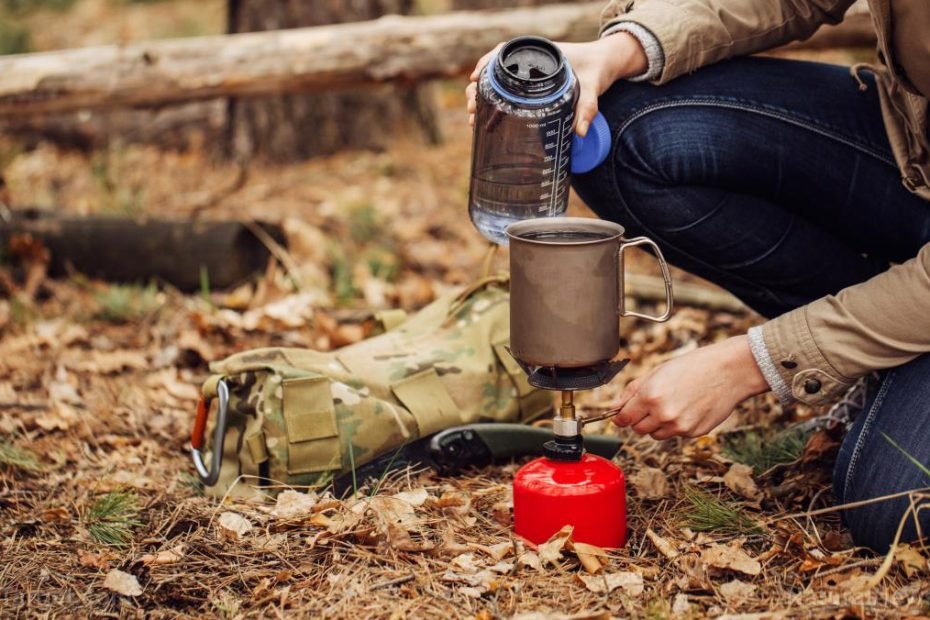
The first method on our list is boiling. Hailed as the granddad of all survival techniques, boiling is a fool-proof method to make water safe for drinking. All you need is a metal container (like a canteen or camp cookware), a heat source, and roughly 10 minutes of boiling time. While it kills bacteria, viruses, and parasites, it may not remove chemicals or impurities.
In terms of water purification products, the LifeStraw Personal Water Filter stands out for its portability and effectiveness. It removes 99.9999% of waterborne bacteria and 99.9% of waterborne protozoan parasites without chemicals, iodine, or batteries. However, it does not filter chemicals, salt, viruses, heavy metals, taste.
For a more comprehensive solution, the MSR MiniWorks EX Microfilter stands tall. This mini water filtration plant removes bacteria, protozoa, and particulates and also improves taste and odor, thanks to its carbon core. However, it can be a bit bulky and require regular maintenance.
Section 2: Comparing Purification Options and Their Notable Features
Comparing the Katadyn BeFree water filtration system to the Sawyer Mini, both are compact and easy-to-use options. The Katadyn BeFree offers a 0.1-micron filter, boasts a flow rate of 2-litres per minute and is incredibly lightweight. The Sawyer Mini, however, can filter up to 100,000 gallons and eliminates more contaminants but has a slower flow rate.
Section 3: Purification Methods in Real-World Scenarios
In a wilderness survival scenario, where water sources are murky or teeming with wildlife, a comprehensive water filter system like the Katadyn Pocket Water Filter could be a life-saver. It’s designed for heavy-duty use, removing particles, microorganisms, and even chemicals. For urban survival, a more compact solution like the LifeStraw could work, given you’d likely have access to cleaner water sources that largely require bacteria and parasite removal.
Section 4: Debunking Common Misconceptions
Contrary to popular belief, water in natural streams or springs is not always safe to drink. Even the clearest water can contain harmful pathogens. Moreover, survival shows often show actors using iodine tablets or UV light to purify water. While these methods kill bacteria and virus, they do not remove harmful chemicals or heavy metals.
Conclusion:
Staying hydrated is crucial for survival, and knowing how to purify water while outdoors is a skill every adventurer should master. So whether it’s investing in a robust water filter system like the Katadyn Pocket Water Filter or mastering the classic boiling technique, taking the right steps towards water purification can make your wilderness exploits both safe and enjoyable. Now that you know the best ways to purify water outdoors, it’s time to equip yourself and conquer the wild unscathed! Buy a water filter appropriate to your adventures, and remember to use it consistently to ensure all your outdoor escapades remain healthy and truly memorable.
The knowledge backed by the right gear can be the distinction between danger and daring adventure. So, will you gamble on the unknown or prepare for a safe journey today?