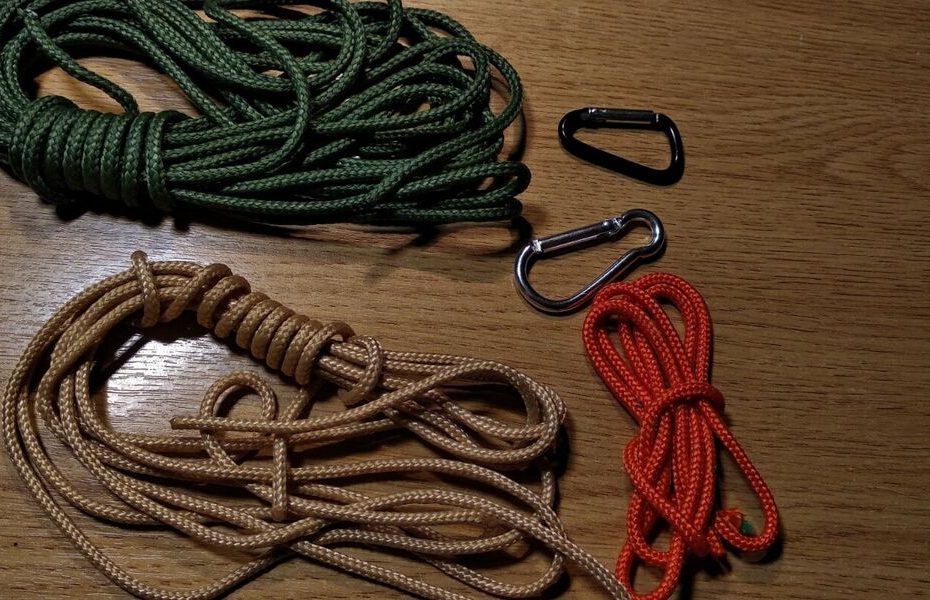
Paracord is an essential tool for survivalists, adventurers, and outdoor enthusiasts. Originally developed for military parachutes, this lightweight yet incredibly strong cord has evolved into a must-have resource for countless applications. Whether used for emergency situations, crafting, or daily practical needs, paracord stands out as a highly adaptable tool.
This guide covers everything you need to know about paracord, including its history, various types, survival applications, and essential knots. By understanding the full potential of paracord, you can enhance your preparedness and survival skills in a range of environments.
The Origins and Evolution of Paracord
Paracord was first introduced during World War II for use in parachutes due to its strength, flexibility, and durability. Soldiers quickly realized its potential for many other purposes, such as securing gear, making repairs, and even medical applications. After the war, paracord became widely available to civilians, growing in popularity among hikers, campers, and survivalists.
Today, it is a staple in emergency kits, bug-out bags, and everyday carry setups. With technological advancements, paracord has also been enhanced with fire-starting strands, fishing lines, and even reflective materials to suit modern survival needs.
Different Types of Paracord
Not all paracord is created equal. There are multiple varieties designed for different purposes, and knowing which one to choose can make a significant difference in your preparedness.
Type I Paracord
Type I is the lightest and weakest variety, rated for about 95 pounds of tensile strength. It contains a single inner strand and is typically used for small tasks like tying gear or crafting accessories.
Type II Paracord
Stronger than Type I, this version offers around 400 pounds of tensile strength. It includes multiple inner strands and provides added durability for medium-duty tasks.
Type III Paracord (550 Paracord)
The most commonly used type, 550 paracord, has a tensile strength of 550 pounds and consists of seven inner strands. It is highly versatile and widely preferred for survival and tactical applications.
Type IV Paracord
The strongest standard variety, Type IV paracord, can support up to 750 pounds. It is designed for extreme conditions where additional strength is necessary.
Practical Survival Uses for Paracord
Paracord has an incredible range of survival applications, making it one of the most useful tools you can carry.
Shelter Construction
In an emergency, shelter is a top priority. Paracord can be used to tie tarps, fasten branches together, or reinforce existing structures to protect against the elements. Its strength ensures stability, even in harsh weather conditions.
Fire-Starting Assistance
Some advanced paracord designs include an embedded fire-starting strand made from wax-coated jute. Even if you have standard paracord, the inner strands can be used as kindling to help ignite a fire when dry tinder is scarce.
Emergency Medical Uses
Paracord can serve as a lifesaving tool in first aid scenarios. It can be fashioned into a tourniquet, used to immobilize a limb with a splint, or even woven into a temporary sling. The fine inner strands can also be repurposed for stitching wounds when no other medical supplies are available.
Food Procurement: Fishing and Trapping
Paracord is invaluable for acquiring food in survival situations. The inner strands can be used as fishing lines, and snares can be fashioned to catch small game. A strong, well-placed trap can mean the difference between going hungry and securing a meal.
Gear and Equipment Security
Keeping supplies organized and secure is vital in survival scenarios. Paracord can be used to tie items to backpacks, secure tarps, or even create makeshift harnesses. Its flexibility allows it to be used in numerous ways to keep equipment safe and easily accessible.
DIY Repairs
Paracord’s strength makes it ideal for emergency gear repairs. It can replace broken shoelaces, reinforce damaged clothing, or even serve as a temporary fix for torn tents and backpacks. The durability of paracord ensures that these quick fixes can last until proper repairs can be made.
Essential Paracord Knots for Survival
Knowing how to tie a few key knots can greatly expand the usefulness of paracord.
Bowline Knot
This knot creates a secure loop that does not slip under pressure, making it useful for rescue situations, hanging equipment, or fastening objects securely.
Clove Hitch
The clove hitch is a quick and adjustable knot that can secure paracord to poles, trees, or posts. It is simple to tie and untie, making it perfect for temporary fastening.
Prusik Knot
Used in climbing and load-bearing applications, this knot provides grip on another rope or cord and can be adjusted under tension, making it useful for pulley systems or rescue operations.
Square Knot
The square knot is effective for joining two pieces of paracord together. It is useful for binding objects, but it should not be relied upon for heavy loads.
Creative and Everyday Uses of Paracord
Paracord is not just for survivalists; it has many practical uses in everyday life.
Many people craft paracord bracelets, belts, and keychains, which serve as both fashion accessories and emergency supplies. Carrying a bracelet made of paracord means you always have a few feet of strong cord on hand for unexpected situations.
Knife handles, hatchet grips, and tool wraps are often enhanced with paracord, providing extra grip and comfort. The woven texture offers a secure hold, reducing the risk of slipping during use.
Beyond outdoor and survival applications, paracord is frequently used in home repairs, gardening, and even pet accessories. Leashes, collars, and harnesses can all be crafted from paracord, offering durable alternatives to commercial options.
Storing and Caring for Paracord
Proper storage and maintenance of paracord ensure it remains in good condition for when you need it most. Keep it coiled neatly or wound onto a spool to prevent tangling. Store it in a cool, dry place away from prolonged exposure to sunlight, which can degrade the nylon fibers over time. Regularly inspect it for signs of wear, such as fraying or weakening, and replace damaged sections as necessary.
Conclusion
Paracord is a survivalist’s best friend, offering unmatched versatility and reliability in countless situations. Whether you are camping, preparing for an emergency, or just looking for a strong and lightweight cord for everyday tasks, paracord delivers. By understanding the different types, learning essential knots, and practicing its many applications, you can make the most out of this incredible tool.
With the knowledge gained from this complete guide to paracord, you are now equipped to handle survival challenges with confidence. Keeping paracord in your gear can mean the difference between inconvenience and survival, making it an essential addition to any preparedness plan.