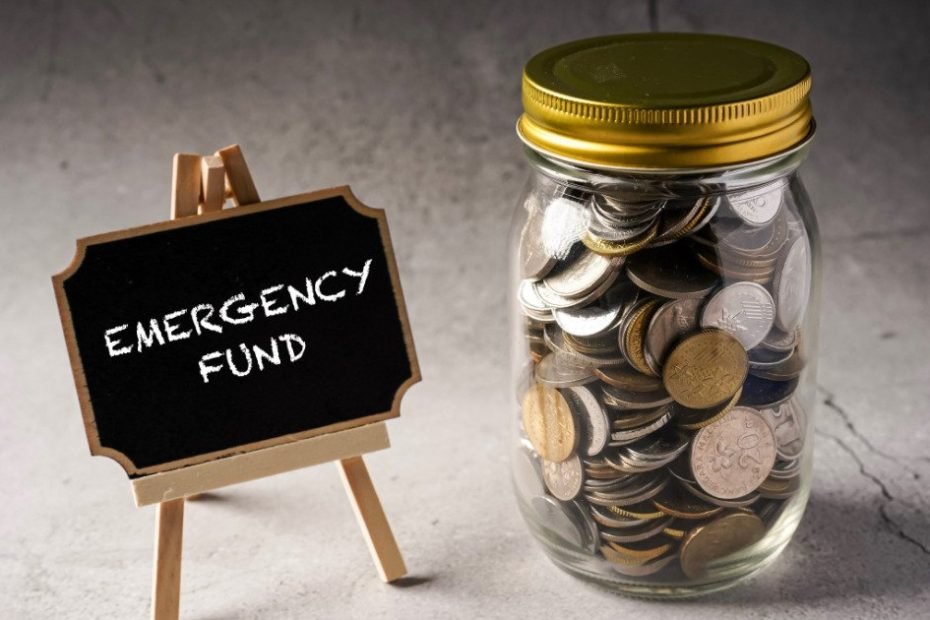
Life is full of unexpected financial hurdles, and without an emergency fund, these situations can quickly spiral into crises. Many individuals live paycheck to paycheck, with little room to manage unforeseen expenses. When faced with an urgent financial challenge, those with inadequate savings may find themselves turning to credit cards, high-interest loans, or even selling personal assets just to get by. This article explores the financial emergencies that could be catastrophic without sufficient savings and highlights the importance of financial preparedness for long-term stability.
Medical Emergencies and Healthcare Costs
A sudden illness or injury can lead to overwhelming medical bills, especially for those who are uninsured or underinsured. Even with health coverage, out-of-pocket expenses such as copayments, deductibles, and uncovered treatments can add up quickly. Emergency surgeries, long-term hospital stays, and specialist consultations may require thousands of dollars upfront. Individuals without a financial cushion may find themselves delaying treatment, relying on crowdfunding, or accumulating medical debt, which can take years to repay. Having savings set aside for medical emergencies can make the difference between timely treatment and prolonged suffering.
Job Loss and Unstable Employment
The sudden loss of employment can be one of the most stressful financial disasters a person can face. With no steady paycheck, covering rent or mortgage, utility bills, groceries, and other daily expenses becomes a major challenge. Finding a new job often takes time, and unemployment benefits, if available, may not be enough to sustain an individual or family. Those without savings may be forced to make drastic lifestyle changes, rely on family for support, or resort to high-interest loans to stay afloat. A well-funded emergency reserve can help bridge the gap between jobs and provide peace of mind during uncertain times.
Home Repairs and Maintenance Emergencies
Owning a home comes with inevitable maintenance issues, and major repairs can be expensive. A leaking roof, broken HVAC system, plumbing issues, or electrical failures can cost thousands of dollars to fix. Neglecting necessary repairs due to financial constraints can lead to further damage, making the situation even more costly in the long run. Renters, too, may face unexpected costs if they need to move quickly due to unlivable conditions. Having savings specifically for home-related emergencies can prevent small problems from escalating into financial disasters.
Car Breakdowns and Transportation Issues
For many people, having a reliable vehicle is essential for commuting to work, running errands, and maintaining their daily routine. A sudden car breakdown or accident can lead to hefty repair bills or even the need for a new vehicle. Without savings, individuals may be forced to take out high-interest auto loans, rely on costly rental cars, or even lose job opportunities due to lack of transportation. Those dependent on public transit may also face unexpected expenses if routes change or services become unreliable. Setting aside funds for vehicle maintenance and emergencies can help avoid financial strain when transportation issues arise.
Legal Expenses and Unexpected Lawsuits
Legal troubles can come out of nowhere, whether due to civil disputes, divorce proceedings, or even wrongful accusations. Hiring a competent attorney can be extremely expensive, and court-related fees can add up quickly. Those without financial resources may struggle to secure proper legal representation, which can negatively impact the outcome of their case. Even minor legal issues, such as traffic violations or contract disputes, can have costly consequences. Having a financial buffer ensures that if legal trouble arises, individuals can afford the necessary assistance without falling into deep debt.
Death of a Family Member and Funeral Costs
The passing of a loved one is emotionally devastating, and it can also be financially overwhelming. Funeral and burial expenses can range from several thousand to tens of thousands of dollars, creating a significant financial burden on grieving family members. If the deceased was a primary income earner, the financial impact can be even more severe. Without savings or life insurance, families may struggle to cover living expenses in the absence of the deceased’s income. Having an emergency fund or securing proper insurance coverage can help ease the financial strain during such a difficult time.
Natural Disasters and Emergency Evacuations
Severe weather events such as hurricanes, wildfires, earthquakes, and floods can cause major property damage and displacement. Repairing a home, replacing lost belongings, and securing temporary housing can be incredibly costly. While insurance can help, it often takes time for claims to be processed, and not all disasters are covered under standard policies. Those with minimal savings may find themselves struggling to afford food, lodging, and transportation during an evacuation. An emergency fund specifically designated for disaster preparedness can provide essential financial support during such crises.
Unanticipated Tax Bills and Financial Penalties
Tax season can bring unexpected surprises, particularly for freelancers, small business owners, and those with multiple income sources. Underestimating tax obligations can lead to hefty bills, penalties, and even legal consequences if payments are delayed. The IRS and other tax authorities have strict collection methods, including wage garnishments and asset seizures, making it crucial to have funds available for any unforeseen tax liabilities. Setting aside money for potential tax discrepancies can prevent individuals from facing serious financial distress.
Inflation and Rising Cost of Living
As inflation continues to impact the economy, the cost of living can rise unexpectedly, making everyday expenses more difficult to manage. Sudden increases in food prices, rent, gas, and utility bills can strain an already tight budget. Without an emergency savings plan, individuals may be forced to cut back on essentials or take on additional work to keep up with their financial obligations. Preparing for inflationary pressures by maintaining a financial buffer can help mitigate the impact of rising costs.
Identity Theft and Fraud-Related Losses
Cybercrime and identity theft are growing threats that can have devastating financial consequences. A stolen identity can result in unauthorized credit card charges, drained bank accounts, and fraudulent loans taken out in a victim’s name. Resolving identity theft can be a long and expensive process, often requiring legal assistance, credit monitoring services, and extensive paperwork. Without sufficient savings, victims may struggle to recover financially from such attacks. Investing in financial protection measures and maintaining an emergency fund can help in managing the aftermath of fraud.
Pet Emergencies and Veterinary Expenses
Pet owners often underestimate the potential costs associated with emergency veterinary care. Illnesses, accidents, or chronic conditions requiring treatment can result in substantial bills. Without savings, pet owners may be forced to make heartbreaking decisions about their animal’s care. Veterinary insurance can help, but it does not cover all procedures, making a dedicated pet emergency fund a wise investment for responsible pet ownership.
Conclusion
Financial emergencies can strike at any time, and without adequate savings, they can lead to long-term hardship. From medical crises to job loss and natural disasters, being financially prepared is essential to weathering unexpected challenges. Establishing and maintaining an emergency fund can provide a vital safety net, ensuring that individuals and families are not left struggling when life takes an unexpected turn. Prioritizing financial preparedness can mean the difference between navigating a crisis smoothly and falling into severe financial distress.