Blog Post:
Title: Building a Fire in Wet Conditions: A Survival Skill
Introduction
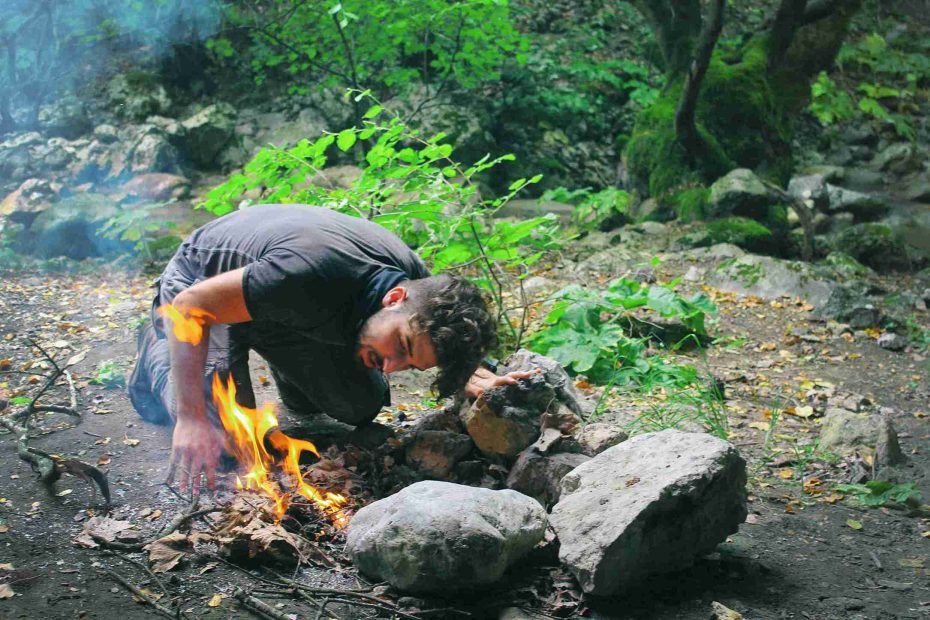
Imagine you’re hiking in a lush forest, enjoying the cascading waterfalls and towering ancient trees. The weather forecast predicted clear sky, but suddenly dark, thundering clouds roll in, and you’re caught in a downpour. Before long, you’re drenched and cold, and the first thing needed to warm up and dry off is a fire. But where do you start when everything is soaked? This article aims to provide you with the essential know-how: building a fire in wet conditions, a vital survival skill.
Section 1: Choose your Fire Starting Tools
Regardless of the weather, your choice of fire-starting tools is crucial. The next time you plan a wilderness adventure, consider investing in some backup tools.
For those on a budget, Bic Mini Lighters are an excellent choice for under $10. Light, compact, and reliable, they’ll work even if they get wet (after being dried off, of course!).
If you’re willing to invest more, consider purchasing a Swedish FireSteel 2.0 Scout. For around $15, it offers up to 3,000 strikes and a 5,400°F spark, working even in wet and cold conditions. Remember, even if everything you own gets soaked, this handy survival tool is waterproof.
Section 2: Prepping Your Fire Site and Gathering Firewood
First, seek as dry a location as possible, under thick trees or a rocky overhang. If the ground is wet, create a bed of autumn leaves, moss, or sticks to keep your fire off the moisture. Collect twigs the size of your finger or bigger as these might have dry hearts, even when their outside is wet. Split them with a knife to access the dry inners.
A good, sharp knife is invaluable for this task. For instance, the Morakniv Companion Fixed-Blade Outdoor Knife, selling for under $20, is great for cutting and splitting wood.
Section 3: Building the Fire Structure
The secret weapon to starting a fire in wet conditions is a fire starter that can burn long enough to dry out the wood. A cheap solution is cotton balls soaked in petroleum jelly. They burn long and hot and are so compact that you can bring tons without much inconvenience.
Start by building a pyramid or teepee fire structure. Place your firestarter in the center, then progressively add thin dry twigs, slightly thicker ones, and finally logs.
Section 4: Common Mistakes when Building a Fire in Wet Conditions
A common but erroneous belief is that after a rainstorm, everything is too wet to start a fire. Not true! The inner parts of twigs and logs often stay dry, and you just need to reach them. Another widespread error is to keep piling on wood, expecting the fire to grow. Instead, allow oxygen to flow freely by leaving some space between the fuel material.
Conclusion
Building a fire in wet conditions can be a daunting task, but with the right tools, knowledge, and a bit of practice, it’s wholly doable. Having tools such as wet-weather fire starters, a dependable knife, and knowing how to look for dry firewood underneath the wet exterior can make the difference between a warming fire and a chilled night in the rain. Next time you gather your wilderness gear, remember these tips and tools, not just to potentially save your life one day, but to fortify your survival skills.
Begin your fire-building journey today by exploring these essential tools and techniques!