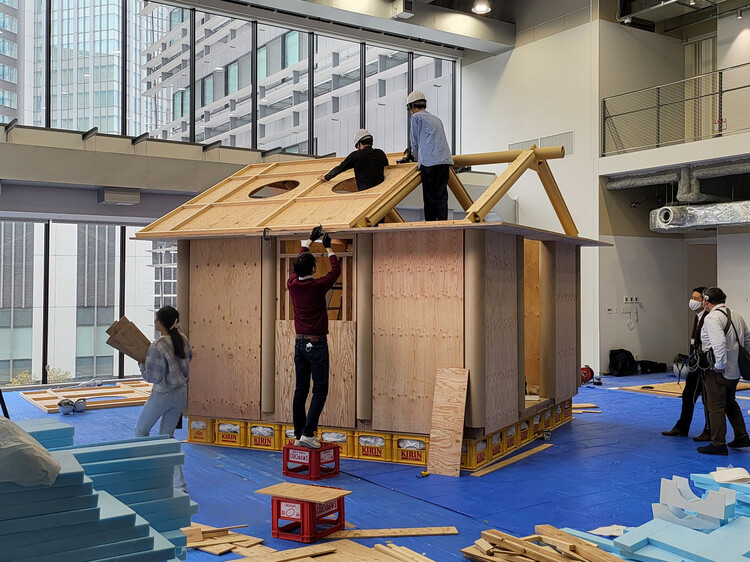
Introduction:
If you have ever found yourself in the middle of a city-wide blackout or stuck at home during a hurricane, you understand the importance of being prepared for emergencies. That’s when having the knowledge and tools to secure your loved ones and preserve your way of life makes all the difference. One such necessity is building a home emergency shelter that can withstand any crisis. In this post, we will discuss how to create this essential safe space, focusing on specific materials and survival gear, strategies for optimizing your shelter, and real-world applications of these techniques.
Have you ever considered how to maintain your family’s safety during a disaster? Wondered which options can give you the best security within your budget? Or pondered about the most effective strategies for building an emergency shelter at home?
Main Body:
Section 1: Building Materials for Your Emergency Shelter
Any sturdy emergency shelter begins with solid building materials. For a budget-friendly and easy to build option, you could consider plastic sheeting and duct tape. The ULINE 4 Mil Clear Plastic Sheeting ($50 for a 100 ft roll) is widely available and can be used together with the Gorilla Black Duct Tape ($9 per roll). Although not the most robust, this duo is a good start for an emergency shelter.
If durability and sustainability are your primary concerns, the Arrow Hamlet Steel Storage Shed Kit ($350) is a substantial step up. This weather-resistant, easy-to-assemble kit comes with clear instructions, which makes it a viable choice for individuals without advanced building skills.
Section 2: Comparing Shelter Features
Comparing potential shelters involves examining size, durability, protection, and ease of assembly. A plastic sheeting shelter is cost-effective, compact and relatively fast to build, but it doesn’t offer substantial protection from harsh weather conditions or debris.
On the other hand, a steel storage shed is significantly more durable and offers superior protection. It might however be a more challenging and time-consuming project to complete.
Section 3: Different Shelters for Varied Emergencies
The kind of shelter you need will depend on the crisis at hand. A temporary plastic sheeting shelter is perfect for emergencies like blackouts or minor storms where you might need a shelter for few hours or days.
However, for more severe disasters such as hurricanes or heavy snowstorms, a more rugged structure like the steel storage shed would provide better shelter.
Section 4: Mistakes to Avoid When Building an Emergency Shelter
A common mistake is constructing a shelter without considering its location. It must be assembled in a clean, dry, and high area away from possible flood zones. Moreover, you should ensure your shelter is sufficiently ventilated to avoid suffocation.
Conclusion:
In conclusion, an emergency shelter at home is an indispensable asset in case of a crisis. Whether you’re opting for a simple plastic sheeting shelter or a more robust steel shed, understanding the materials, comparison features, and proper location can help you build a functional and dependable safe haven. Take the time to become familiar with these elements and strategies and make your home ready for any emergencies that might come your way. Believe us; you’ll sleep more comfortable knowing you’re prepared.