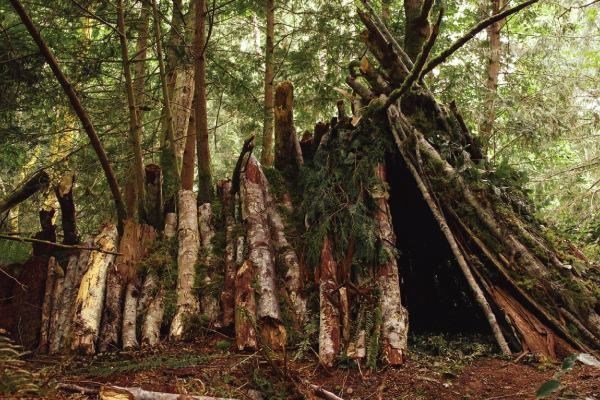
There’s nothing quite like the thrill of adventuring into the wilderness, leaving civilization behind, and immersing yourself in nature. However, as any experienced outdoor enthusiast will tell you, being prepared for survival in the wild is paramount. From unexpected weather changes to dangerous wildlife encounters, the great outdoors is not without inherent risks. One of the most vital tools for wilderness survival? A reliable shelter that can shield you from the elements and provide a secure base camp.
This is where knowing how to build a shelter with natural materials comes into play. Mastering this unique survival strategy could potentially save your life or at least turn a troublesome camping experience into a manageable one. Survival shelters can be as simple or as complex as your situation, skill level, and available resources allow. The process involves using materials like logs, sticks, leafy branches, and moss to construct different types of survival dwellings like lean-tos, tepees, or even small cabins.
In this post, we delve deep into the techniques, gear, and strategies necessary to effectively build a shelter with natural materials in the wilderness. From hardy survival knives, sturdy ropes, and specialized multi-tools to specific techniques for choosing a proper campsite and identifying the best resources, we will provide practical, actionable advice you can use on your next wilderness adventure. Are you prepared to learn how to make your very own natural survival shelter? Let’s dive in.
Section 1: Essential Tools for Building a Natural Shelter
To erect a shelter with naturally sourced materials in the wilderness, few tools are as necessary as a reliable survival knife. The Morakniv Bushcraft Carbon Black ($80) is our top pick for a rugged, budget-friendly choice. With a fire-starter included, and a 4.3-inch carbon coated steel blade, this versatile knife is adept for most wilderness tasks.
If you have a generous budget, the Spyderco Bushcraft G-10 ($200) comes highly recommended. It boasts robust construction with O-1 tool steel and a Scandinavian grind, ensuring superior strength and razor-sharp edges for precise cuts, making your shelter building process easier and more efficient.
Section 2: Selecting the Right Location and Resources
The quality of your shelter vastly depends on the location you select and the materials at your disposal. The Gerber Suspension Multi-Plier ($75) features a plethora of tools, including saws and knives useful for trimming down branches or vines. With its sturdy construction, it’s perfect for wilderness survival situations.
In contrast, the Leatherman Wingman Multi-Tool ($60), while not as robust, provides a reasonable price-to-performance ratio. It includes several tools like wire cutters, a package opener, and a small bit driver—ideal for more sophisticated tasks rather than harsh wilderness survival.
Section 3: Types of Shelters and Practical Building Tips
Depending on your surroundings, you may choose different types of shelters such as lean-tos, A-frames, or wigwams. For a lightweight and compact saw capable of tackling larger logs or branches for an A-Frame shelter, VelloStar Pocket Chainsaw ($22) is exceptional. Its compact design, combined with the cutting power of 11 sharp blades, makes it ideal for wilderness survival.
On the other hand, Gerber’s Freescape Camp Saw ($70) is perfect for larger tasks like building log cabins or teepees due to its innovative folding design, making for easy storage and great functionality.
Section 4: Shelter Building Myths & Mistakes
A common misconception is that constructing a natural shelter needs to be an elaborate process—a myth that could cost valuable time and energy. Quite the contrary, a faster, simpler shelter can be equally effective. Products like Corintian’s Premium Paracord Bracelet ($12) are excellent tools for quick and efficient shelter construction. With 16.4 feet of paracord, this bracelet can securely fasten shelter components, simplifying the assembly process.
In conclusion, learning to construct a shelter with natural materials could be a game-changer on your next wilderness adventure. Now that you know the tools, techniques, and strategies to employ, you are better prepared for whatever mother nature throws your way. Don’t wait for the unexpected; equip yourself now and venture out into the wilderness with confidence. And remember, survival is not about outmuscling the elements, but outsmarting them. Happy adventuring!