Introduction
Imagine this. You’re lost deep in the woodland during your annual camping trip, miles from civilization. All you’ve got on you is your backpack and a determination to survive. The harsh truth is, you need to start thinking quickly about securing two essential elements—shelter and clean drinking water. This post aims to offer a comprehensive tutorial on how to obtain clean, potable water in the wilderness using an array of techniques, gears, and survival strategies suitable for every budget and every challenge.
Engage the Reader
Have you ever wondered what it would be like to survive in the wild with limited resources? Do you consider yourself prepared to collect and purify water if your survival depended on it? Read on as we divulge invaluable tips and strategies on this vitally important subject.
Main Body
Section 1: Choosing the Right Water Purification Tools
To start with, it’s important to have the right tools to aid your quest for clean water in the wilderness. These tools fall under distinct categories such as purifying tablets, portable water filters, and boiling equipment.
For an affordable and effective solution, consider the Aquatabs Water Purification Tablets. They’re compact, lightweight, and easy to use, making them a perfect choice for backpackers and hikers. Simply dissolve a tablet into your gathered water, wait for 30 minutes and there you go—potable water. However, it’s worth noting that these tablets may not kill all viruses and bacteria, their taste might not agree with everyone, and they’re not the most environmentally friendly option.
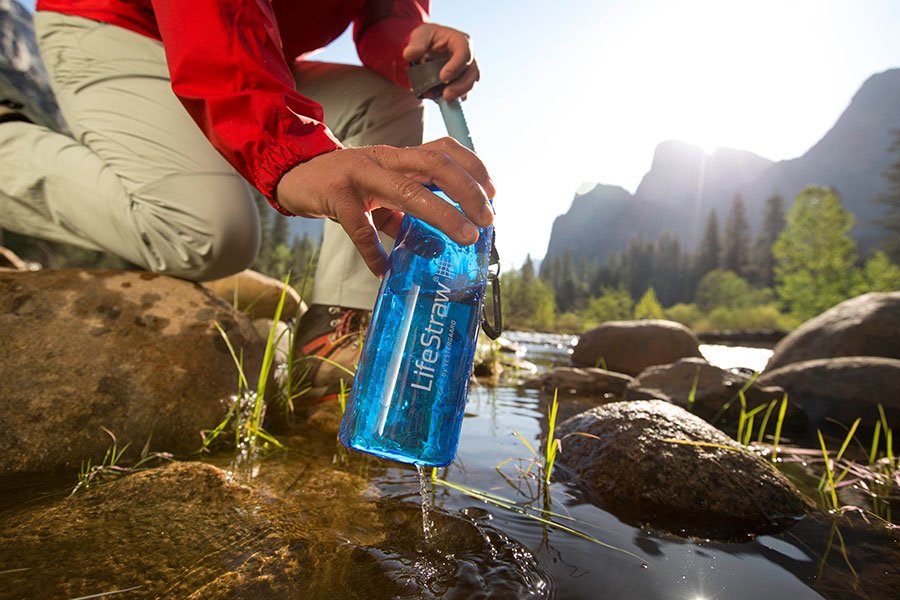
For those with a higher budget, consider the LifeStraw Personal Water Filter costing around $25. Used across the globe by both survivalists and humanitarian emergency response teams, this portable filter can process up to 4,000 liters of water, getting rid of 99.99% of waterborne bacteria and parasites.
Section 2: Features, Comparisons, and Value for Money
When it comes to investing in a portable water filter, consider the following properties: How quickly it can purify the water, what it eliminates, the lifespan of the product, and its size and weight.
For example, the LifeStraw Personal Water Filter and the Sawyer Mini Water Filtration System, both under $30, provide excellent value for money. While they are both effective at removing waterborne bacteria and parasites, the Sawyer Mini comes with a slightly larger lifespan—providing up to 100,000 gallons of clean water. However, the LifeStraw and Sawyer Mini vary in their filtration speed, with the latter being somewhat slower due to its smaller filter size.
Section 3: Real-World Applications
When stranded in the wilderness, there are multiple scenarios where an individual can find fresh water sources. Creeks, forests with lush greenery, valleys, and the morning dew are valid sources. If you’re in extremely dire conditions, melting snow or even digging a makeshift well could be your exclusive source of hydration.
During this, your portable filter will be invaluable, whether it’s the LifeStraw or Sawyer Mini. Their compact design makes them ideal for these diverse conditions, and having them on hand could mean the difference between survival and tragedy.
Section 4: Common Misconceptions
A common myth regarding the purification of water in the wilderness is that it’s always safe to drink flowing water from a river or stream. This is misleading as such water can still contain harmful bacteria or parasites that can cause illness. Hence, it is crucial to still filter and purify every water source you come across.
Conclusion
Remember, securing clean water is an essential skill for anyone venturing into the wilderness. Whether it be through purification tablets like Aquatabs, or portable filters like the LifeStraw or Sawyer Mini, having a method to purify water is critical. Equipping yourself with this knowledge can ensure that you’re ready to face any adventure in the future. Remember, always prepare for the unexpected, and never underestimate the value of potable water in a survival situation.