In a Survival Situation, Silence is not Always Golden (How to Signal for Help)
Deep in the wilderness, miles away from civilization, with no cell signal or walkie-talkie in sight, what would you do in a crisis? The severity of the situation pulses with every beat of your heart. You’ve read countless survival manuals, but will they be enough? Silence has become your enemy and time, your relentless adversary.
Welcome to a survival scenario, where an everyday hike or hunting trip has now become a life-or-death adventure. Suddenly, the crucial question is how to signal for help in a survival situation? Simply put, your ability to communicate your distress to would-be rescuers can be the determining factor of your survival.
Survival is not solely dependent on muscle strength or will power; it equally rests on your ability to convey your message to rescuers stealthily and efficiently. In this post, we’ll explore several practical methods of signaling for help to increase your chance of survival in 2025 wilderness situations, no matter how dire they may be.
Section 1: SOS Signals – Old, Reliable, and Underrated
One of the most universally recognized distress signals is the SOS, consisting of three short signals, three long signals, and three short signals again. Here’s how to do it:
With a flashlight: If you have a flashlight or a headlamp, you can use Morse code to signify SOS. For people without experience in Morse code, remember the pattern “short, short, short, long, long, long, short, short, short.”
With a whistle: Three short whistle blows, followed by three long ones, and three additional short ones could mean the difference between remaining lost and getting found.
Remember, repetition is key; repeat your signal every few minutes to increase the likelihood of detection.
Section 2: Smoke Signals and Mirrors
Smoke signals can be used during the day when a fire can produce lots of smoke. Green leaves or plastic can make the smoke thicker and more visible, but remember to only use this method if there’s no risk of causing a forest fire.
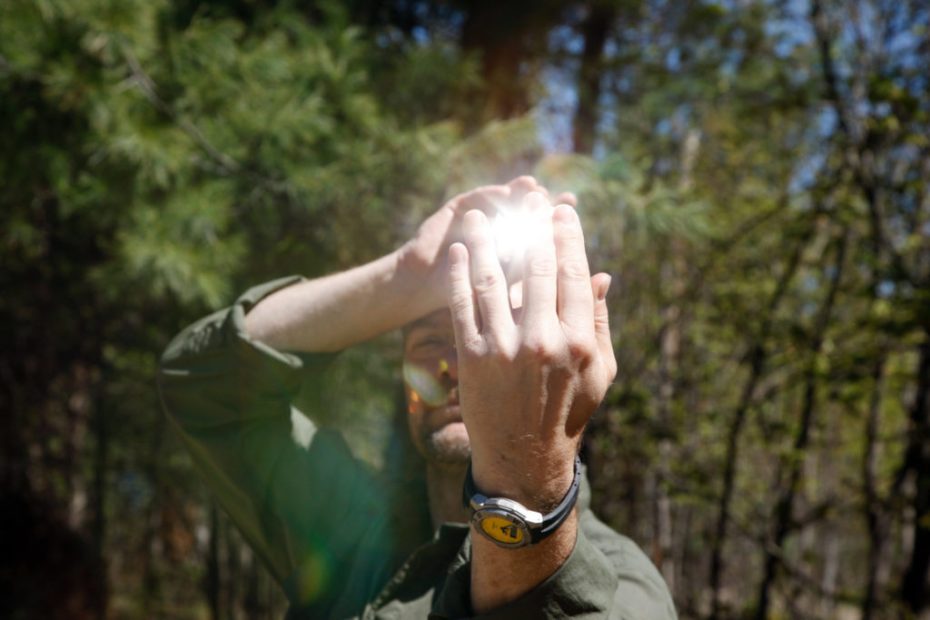
Alternatively, you can use mirrors to reflect and flash sunlight towards rescuers. Aiming the mirror’s reflection towards a helicopter or a far-off hut can alert people to your position, with the Helio Personal Locator Beacon being a prime example of a mirror designed specifically for this use.
Section 3: Emergency Signal Devices
Some of the most reliable survival signal tools are emergency beacons. These include Personal Locator Beacons (PLBs) and Satellite Messengers, which use a network of satellites to send your exact location coordinates to rescue centers around the world in case of a dire emergency. Consider the ACR ResQLink View or the Garmin InReach Explorer+.
Similarly, signal flares like the Orion Safety Alerter Coastal Signaling Kit can be seen by rescuers from miles away. Flares can be fired into the air, illuminating miles of wilderness and guiding rescuers towards your location. But remember, extreme caution must be taken when using flares to prevent inadvertently starting a fire.
Section 4: Survival Color Codes and Ground-to-Air Signals
Ground-to-air signals are an effective method of signalling for help as search-and-rescue teams often conduct flyovers in missing person operations. Use rocks, logs, or fabric to create giant SOS signs or international symbols for distress.
Vibrant colors are also an integral part of survival. High-visibility colors like orange or red should be a part of your survival gear as their visibility could significantly enhance your detection chance.
Conclusion
Understanding how to signal for help in survival situations can be just as important as knowing how to fish, start fires, and build shelter. Brush up on your Morse code, invest in a PLB or a Satellite Messenger and remember ground-to-air signals. Crucially, your rescue may depend as much on being seen as staying alive.
Now that you know how to signal for help in a survival situation, it’s time to put this knowledge into action. Is your survival gear ready? Do you know all the appropriate signalling methods? Don’t wait for the unexpected to strike – prepare today to ensure your survival tomorrow.