Introduction:
You’re stranded in a remote wilderness. The temperatures are plummeting. An icy wind whistles through the trees. You have no tent to take shelter in, no sleeping bag to wrap yourself in. Your survival is now contingent upon your ability to use the gear in your survival kit and your knowledge of how to stay warm. This situation may sound far-fetched, but anyone who ventures into the wilderness could face such a predicament.
In this post, we will discuss staying warm without relying on a conventional tent or sleeping bag. We’ll delve into specific survival gear, techniques, and strategies to help you endure just such a situation. Our focus will be on the practical, actionable advice you can draw on immediately to safeguard yourself against the cold.
Ever considered what gear would be indispensable in a survival scenario under freezing conditions?
Main Body:
Section 1: Survival Gear For Staying Warm
Foil Emergency Blanket: Often stashed in first-aid kits and survival packs, a foil emergency blanket (often referred to as a space blanket) could be a lifesaver in cold weather. It’s lightweight, portable and designed to reflect heat back to the body — effectively conserving body heat that would have otherwise been lost.
Pros: Reflects up to 90% of your body heat back to you
Cons: Offers minimal insulation
Real-world uses: Groundsheet, poncho, or makeshift shelter
Fire Starter: The ability to make a fire is crucial for warmth, cooking and morale. There are a variety of fire starters on the market, from traditional matches and lighters to flint-and-steel or Ferro rods.
Pros: Provides immediate warmth and can help dry damp clothing
Cons: Requires dry combustible material
Real-world uses: Lighting fires for warmth, preparing food, signaling
Section 2: Layering For Warmth
It’s not just the gear you carry that can keep you warm: it’s also about how you dress. Layering is key to regulating your body temperature and keeping the cold at bay.
Base Layer: This is the layer next to your skin. It’s goal is to wick moisture away from your body. Consider merino wool or polypropylene products, like the Under Armour Men’s ColdGear Compression Leggings and Crewneck Long Sleeve T-shirt.
Middle Layer: This layer is all about insulating – trapping warm air next to your body. The North Face Men’s Aconcagua Insulated Jacket is a classic example.
Outer Layer: This should be windproof and waterproof, yet breathable. The Arc’teryx Men’s Beta AR Jacket provides top-notch protection.
Section 3: Creating A Survival Shelter
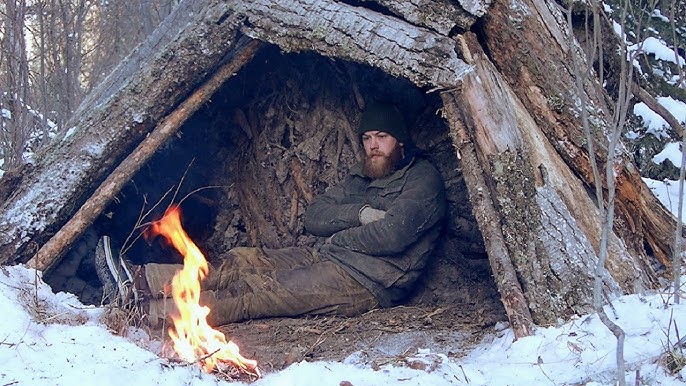
If you find yourself stranded overnight without a tent or sleeping bag, your ability to create a survival shelter could be the difference between life and death. For example, a lean-to shelter using branches and foliage can offer protection against the elements. But there are other types, including a snow cave or quinzhee if you’re in a snowy climate.
Section 4: Common Myths And Misconceptions
Common Myth: Alcohol can help you stay warm. Truth: Alcohol can give a fleeting sensation of warmth, but it actually lowers your core body temperature and can be detrimental to your survival in cold weather.
Conclusion:
The ability to stay warm in cold weather without a tent or sleeping bag is an essential skill for any outdoor adventurer. By investing in key pieces of survival gear like a foil emergency blanket, fire starter, and quality thermal clothing layers, you can dramatically improve your odds of surviving such a situation. Now, equipped with the knowledge and guidance provided in this post, you are well-positioned to weather any cold-weather survival situation. Don’t get caught unprepared. Plan and prep now, and peace of mind will follow.
And lastly, remember, it’s not just about having the right gear – it’s equally important to know how to use it effectively. Keep honing your survival skills, and stay safe out there.