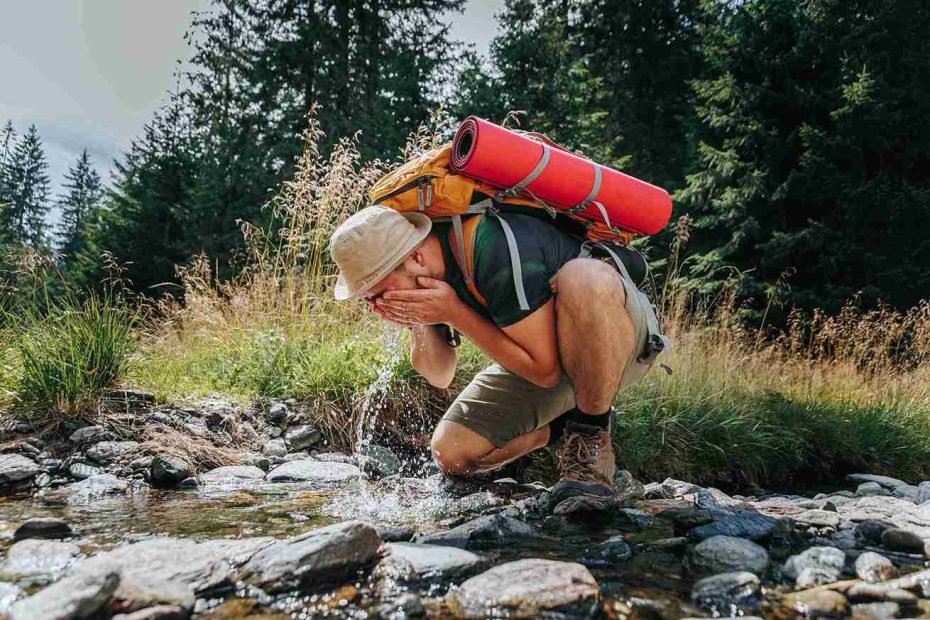
You’re soaking with sweat and your body aches. You’re lost deep within nature’s labyrinth, and the heat is unbearable – this is no ordinary wilderness trip and the temperature is a cruel eighty degrees under the shadow of the trees. What will get you through this? You begin to entertain prayers of discovering a spring but reality strikes; you’re stuck with what you brought. One can’t predict how they’ll react to such survival conditions, yet preparation is the key to surviving this sweltering ordeal. This exact scenario underscores the theme of our post today: How to survive extreme heat in the wilderness.
Have you ever thought about the intensity of the heat in a desert landscape with no escape from the relentless sun? Or been stuck in a tropical forest where humidity sticks to your skin like an extra layer, sapping your vitality with every step? We’ve all seen the movies and read the survival stories, but without the right tools and knowledge, surviving such extremes can be a frightening ordeal. This post will dive into real survival strategies that will equip you to endure these harsh terrains, touching on everything from climate-appropriate gear to guided survival techniques.
Section 1: Gear To Beat The Heat
When exploring extreme environments, the right clothing is just as important as the right tools. Light, breathable, and moisture-wicking fabrics are what you need. Under Armour’s Tactical Lightweight T-shirt is a fantastic top for hot environments, offering significant UV protection and designed to dry quickly. Pair this with Columbia’s Silver Ridge Convertible Pants that offer UPF 50 sun protection and plenty of ventilation.
For headgear, the Columbia Bora Bora Booney II Hat ensures adequate sun protection. The hat comes with an adjustable chin strap, so it won’t be blown away in strong winds. Made with UPF 50 fabric, it also features ventilation panels for increased breathability.
The LifeStraw Personal Water Filter, meanwhile, offers a lifeline for hydration. Compact and lightweight, it can filter up to 1,000 gallons of contaminated water, transforming it into safe, drinkable water.
Section 2: Comparing Survival Strategies
When it comes to dealing with extreme heat, hydration and shade are key. A hydration bladder like the Platypus Big Zip Water Reservoir, which can store up to 3 liters of water, could be a lifesaver.
When there’s no shade available, make your own with the Terra Hiker Camping Tarp. Its silver-coated fabric features UPF 50+ protection, shielding you from harmful UV rays. It can be easily set up in different ways to provide a spacious and comfortable personal space.
Section 3: Real World Applications
Gear aside, understanding your body’s limits and response to heat can determine how well you cope in a harsh environment. Conserving energy, pacing activities to cooler parts of the day, and keeping your head and body covered to avoid sunstroke are vital points to remember.
Section 4: Debunking Myths
Contrary to popular belief, drinking your own urine or alcohol for hydration in a heat survival scenario is a terrible idea. Both can speed up dehydration. Similarly, wandering around in the heat looking for water is not advisable. Instead, use the LifeStraw or even a solar still to purify available water sources.
Surviving extreme heat in the wilderness may be a daunting prospect, but being prepared with the right knowledge, gear, and strategies will help ensure your well-being. Now is the best time to familiarize yourself with these tools and tips. Always remember, preparedness is key to endurance. And make sure you check out our invaluable guide on what to pack for a survival adventure here.