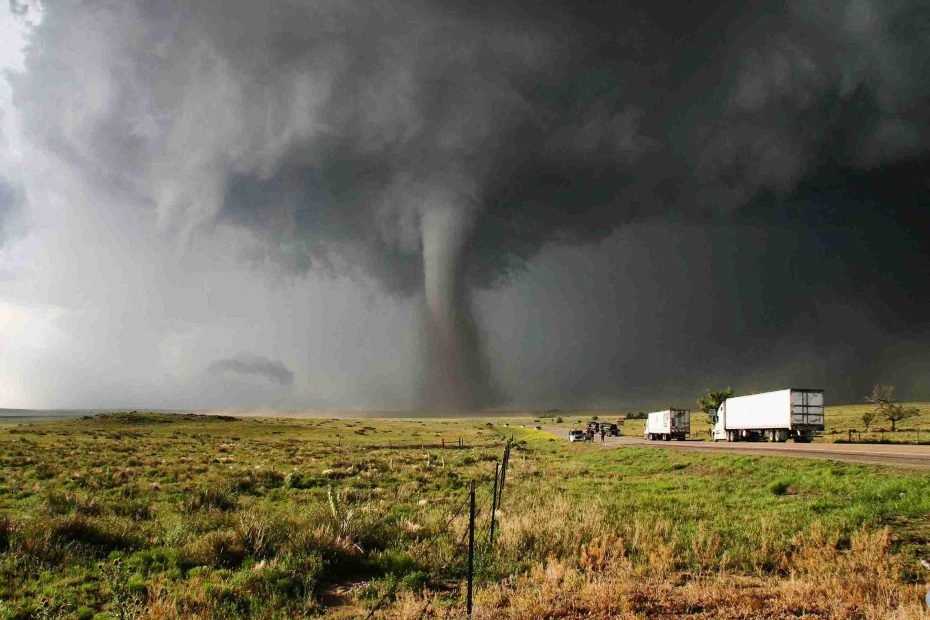
Introduction: Relentless winds howling outside your window, trees swaying wildly, debris flying chaotically – it’s a terrifying scenario to contemplate. As extreme weather events become more frequent due to climate change, understanding how to survive in high winds and tornado conditions is becoming increasingly important. Are you equipped with the right knowledge and tools to survive in such a situation? Throughout this blog post, we will delve into critical survival gear, strategic survival planning, and expert tips to ensure you come out on top when facing Mother Nature’s unforgiving wrath. Imminent danger could present itself at any moment, are you prepared to respond?
Section 1: Essentials for Survival
When faced with high winds or tornadoes, having the right gear can make all the difference. Here are a few items that should be part of your survival kit:
1. Emergency Weather Radio: With models like the Midland ER210 (around $50), you can stay updated on real-time weather alerts. This compact device has multiple power sources (solar, hand crank, and rechargeable battery) and even includes an emergency flashlight.
2. Tornado Shelter: Investing in a tornado shelter, such as the Swisher ESP Safety Shelter (starting at $4000), can save lives. Made of steel, this shelter can withstand wind speeds of up to 250 mph and can accommodate up to 7 occupants.
3. First Aid Kit: A robust first aid kit, like the Surviveware Small First Aid Kit ($36), is a must-have. Compact yet comprehensive, this kit contains everything needed to treat minor injuries until professional medical help can be reached.
Section 2: How to Protect Your Home from High Winds
Wind-resistant home prepping is essential to minimize damages. Here’s how you can make your home more wind-resistant.
1. Secure Loose External Objects: Certain items like patio furniture, grills, and gardening tools can become dangerous, airborne projectiles during high winds. Thus, they should be securely tied down or stored inside.
2. Strengthen Doors and Windows: High- impact glass windows and reinforced doors, like the Pella Impervia Fiberglass Windows (~$200 per window) and the ProVia Legacy Steel Entry Door (~$1000), can better withstand the forces of high winds.
3. Consider Wind-Resistant Roofing: Certain roofing materials, such as impact-resistant shingles, like the GAF Timberline ArmorShield II (~$120 per square front), can improve your home’s wind resistance.
Section 3: Evacuation and Shelter-In-Place Procedures
Knowing when to evacuate and when to shelter-in-place can mean the difference between life and death.
1. Evacuation: If authorities order an evacuation, do not hesitate to leave. Make sure to have a prepacked evacuation bag with essentials like cash, important documents, and survival gear.
2. Shelter-In-Place: If evacuation is not possible, move to a small, windowless, and innermost room on the lowest floor of your house, often a basement or bathroom. Protect yourself with padding or by getting under heavy furniture.
Section 4: Dispelling Tornado Myths
There’re a few stubborn myths about tornadoes that could potentially put people in harm’s way.
1. Myth: “Opening the windows will help equalize the pressure and prevent your house from exploding.” This is a dangerous misconception. Opening windows wastes precious time and puts you at greater risk; it’s better to focus on getting to a secure location.
2. Myth: “Tornadoes can’t cross bodies of water or valleys.” Reality: Tornadoes don’t discriminate and can cross any terrain, including bodies of water and valleys.
Conclusion: Surviving in high winds and tornado conditions might seem overwhelming, but with the right preparation, materials, and knowledge, you stand a much better chance. Understanding where to shelter in your home, ensuring your home is as wind-resistant as possible, having a strong survival kit, and knowing the difference between tornado facts and myths are all vital in such circumstances. The first and most important step is to start preparing today. Remember, even the most severe of storms can’t shake a well-prepared survivalist.