When Hurricane Harvey slammed into the Gulf Coast in August 2017, it left behind record-breaking floods, immense destruction, and countless stories of survival. The storm was a wake-up call for many, highlighting the importance of emergency preparedness and self-sufficiency. For those who already practiced prepping, it served as both validation and an opportunity to refine their strategies. There are many valuable lessons that can be drawn from this catastrophic event, lessons that can help individuals and families better prepare for future disasters.
The Necessity of a Reliable Evacuation Plan
One of the most harrowing aspects of Hurricane Harvey was the rapid flooding that left many people trapped in their homes. Some residents did not anticipate just how quickly water levels would rise, leaving them with little time to escape. Having a well-thought-out evacuation plan before disaster strikes can mean the difference between life and death.
A solid plan should include multiple escape routes in case roads become impassable, designated meeting locations for family members, and an emergency bag stocked with essentials. Many people found themselves stranded because they had no transportation options or waited too long to make the decision to leave. Learning from this, preppers should regularly review and update their evacuation strategies to ensure they remain viable in different emergency scenarios.
Essential Supplies: More Than Just the Basics
One of the biggest challenges survivors faced after Harvey was the widespread shortage of food, water, and medical supplies. Grocery store shelves were emptied before the storm hit, and in the aftermath, many areas were left isolated, with no access to new supplies for days or weeks. This underscores the importance of keeping a well-stocked pantry and emergency kit at all times.
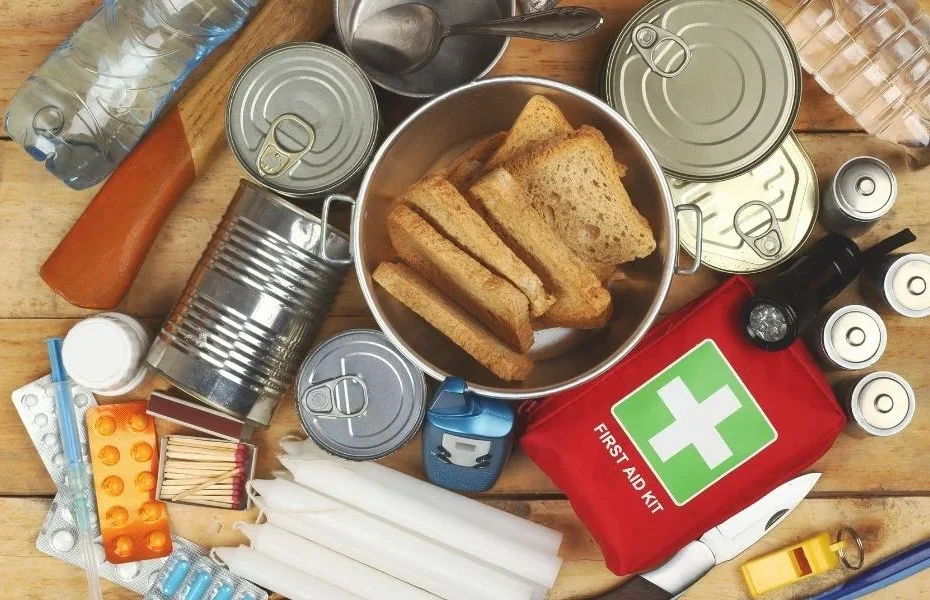
Stockpiling non-perishable food, clean drinking water, first-aid supplies, hygiene products, and other necessities should be a priority for anyone serious about preparedness. It is also crucial to have a way to purify water, whether through filtration systems, boiling, or chemical treatments, as municipal water sources can easily become contaminated during a flood.
Power Outages: Preparing for the Worst
Millions of people lost electricity when Hurricane Harvey struck, and for some, it took weeks before power was fully restored. Without electricity, refrigeration fails, communications become difficult, and heating or cooling systems cease to function. Households that had alternative power sources fared much better than those who were solely dependent on the electrical grid.
Investing in backup power solutions like gas-powered generators, solar panels, or battery backups can be a game-changer during an extended outage. Additionally, having a supply of fuel, candles, flashlights, and extra batteries ensures that light and power are available even when the grid goes down. The ability to cook food using propane stoves or camping gear can also make a significant difference in maintaining morale and nutrition in a crisis.
Staying Connected When Communication Fails
Another major lesson from Hurricane Harvey is that traditional communication methods can quickly become unreliable. Cell towers became overloaded, power outages rendered many phones useless, and internet access was unavailable in many affected areas. Families who relied solely on smartphones for emergency updates found themselves cut off from critical information.
Owning a battery-operated or hand-crank radio can provide access to emergency broadcasts when all other means of communication fail. Two-way radios are another useful tool for maintaining contact with family members or neighbors when cell service is down. It is also a good idea to have written copies of important phone numbers, as digital records can be inaccessible if devices run out of power.
Flood Readiness: A Life-or-Death Matter
Flooding was the most devastating aspect of Hurricane Harvey, and many people underestimated just how dangerous rising waters could be. Some homes that had never flooded before were completely submerged, leaving residents stranded or forcing them to escape in hazardous conditions. This disaster highlighted the need for greater flood preparedness, particularly for those living in areas prone to heavy rains or hurricanes.
Homeowners should assess their flood risk and take proactive steps such as purchasing flood insurance, reinforcing their homes with sandbags, and elevating important possessions and appliances. Keeping life jackets, inflatable rafts, or emergency flotation devices in the home can also be a lifesaving precaution. Being aware of local flood zones and having a backup shelter plan is equally important.
The Strength of Community in a Crisis
While preparedness is often associated with self-sufficiency, Hurricane Harvey demonstrated that community support is just as crucial during a disaster. Neighbors helped each other with rescues, shared supplies, and worked together to rebuild after the storm. Those who had strong community ties found it easier to recover than those who were isolated.
Preppers should consider forming local networks of trusted individuals who can offer assistance during emergencies. Bartering goods and skills became a survival strategy for many in the aftermath of Harvey. Having a network of people to rely on can make a significant difference in the ability to endure and recover from a disaster.
Emotional and Psychological Resilience
One of the often-overlooked aspects of disaster preparedness is the mental and emotional toll that crises can take. Many survivors of Hurricane Harvey experienced extreme stress, anxiety, and trauma. Being prepared mentally is just as important as having physical supplies.
Developing a mindset of adaptability and calm decision-making can help individuals cope better in high-stress situations. Families should have discussions about what to expect in a disaster and practice emergency scenarios so that children and adults alike feel more confident in their ability to respond. Having access to comfort items such as books, games, or even music can help alleviate stress during prolonged emergencies.
Long-Term Preparedness and Self-Sufficiency
Beyond short-term survival, Hurricane Harvey underscored the importance of long-term preparedness. Some residents were unable to return to their homes for months, and rebuilding efforts took years in some communities. Being able to sustain oneself beyond the immediate crisis is an essential part of survival planning.
Learning basic survival skills such as gardening, water purification, and first aid can make a significant difference in long-term resilience. Having the ability to generate food through home gardens or aquaponics systems can provide a sustainable food source. Likewise, learning how to store food long-term using methods like canning, dehydration, and vacuum sealing can ensure an ongoing supply of nourishment.
Final Thoughts
The devastation caused by Hurricane Harvey serves as a powerful reminder that disasters can strike with little warning, and those who are prepared will always have an advantage. The key prepper lessons from Hurricane Harvey include the necessity of evacuation planning, maintaining a robust supply of essentials, preparing for power outages, securing reliable communication methods, and strengthening community connections. Additionally, being mentally resilient and planning for long-term survival can make a world of difference when faced with unexpected challenges. By taking these lessons to heart, individuals can enhance their ability to withstand future disasters and emerge stronger in the face of adversity.