Introduction
Imagine you are lost in a snow-blanketed forest with freezing temperatures falling every hour. Sudden snowfall has blocked your way back home; you can’t see a single human mark on the endless white terrain. What could have been a blissful winter adventure suddenly morphs into a real-life survival situation. Have you ever wondered what you would do in such a situation? Or more importantly, what gear you should have on hand to ensure your survival?
This article aims to explore and dissect the essential tools and best practices for surviving extreme cold. From budget-friendly options to high-end survival gear, we will guide you through every step to smoothly navigate through a winter wilderness adventure. Have you ever considered what survival gear suits you best in a frosty adventure or how to employ survival techniques properly in the wild?
Main Body
Section 1: Essential Survival Gear
In any winter wilderness adventure, a good quality sleeping bag, like the Mountain Hardwear Lamina (-30F/-34C, $200+), is essential. Its insulation and the shape offer substantial protection from bitter cold. On the other hand, there are quality budget-friendly alternatives like the Coleman Brazos Cold Weather Sleeping Bag that are best suited for moderately cold weather.
For navigation, the Garmin GPSMAP 64st ($250) is a reliable premium choice, but if you’re on a budget, the Garmin eTrex 10 ($80) is great for basic navigation.
A quality survival knife is critical – consider the Gerber Bear Grylls Ultimate Pro Knife ($80) or for a budget option, the Morakniv Companion Knife is under $20 and a good basic blade.
Section 2: Product Features and Comparison
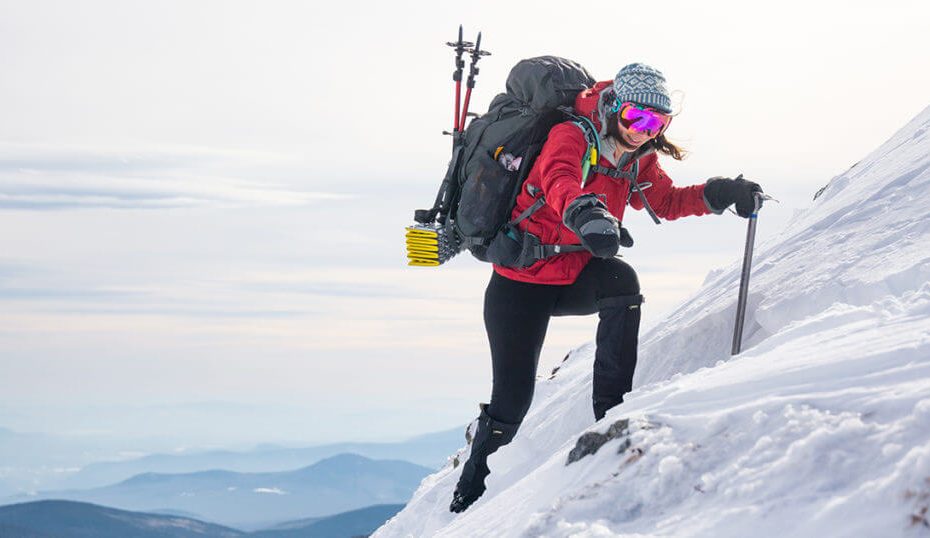
When it comes to cold survival gear, detailed comparison and understanding the value are crucial. For winter clothes, Canada Goose Expedition Parka coat ($1000) and Columbia Men’s Northridge Lodge 700 fill Down Winter Puffer Jacket ($150) both provide sufficient warmth. However, the Canada Goose Jacket offers more features like a fur-lined hood and fleece-lined handwarmer pockets.
Section 3: Real-World Applications and Use Cases
Understanding the real-world applications of each gear helps in making the right choice. For example, a budget sleeping bag like the Coleman Brazos may not suffice in extreme winter conditions, where high-end options like the Mountain Hardwear Lamina would be more appropriate. Similarly, simplex navigation tools like the Garmin eTrex 10 would work best in clear terrain, but for dense and convoluted landscapes, a high-end option like the Garmin GPSMAP 64st becomes necessary.
Section 4: Common Myths or Mistakes Related to the Topic
One crucial mistake people often make is not dressing in layers during winter survival. There is a myth that a single heavy coat is more effective, but layering traps air and offers better insulation. Similarly, always avoid cotton as it absorbs moisture and can cause hypothermia faster.
Conclusion
Surviving cold temperatures is not solely about braving the cold physically; it’s also about making smart gear choices and using them efficiently. Now that you have these insights, consider the right tool for your next winter adventure. Don’t wait for the chill to set in unexpectedly—prepare yourself with the correct knowledge and gear to thrive in freezing conditions.