Introduction
Imagine a scenario where a natural calamity hits, power lines are down, local stores are shut, and regular food supply is disrupted. In situations like these, being prepared with a well-stocked long-term food storage becomes critical. Do you have a plan in place to provide for you and your family in such crisis situations?
In this post, we’ll explore a comprehensive guide to long-term food storage for preppers, detailing the essentials you need to ensure a sustainable supply of food for extended periods. We’ll cover everything – from what types of foods to store, best storage practices, accurate shelf life, to the right rotation strategies to ensure your stored food remains fresh when you need it the most.
Main Body
Section 1: Foods Ideal for Long-Term Storage
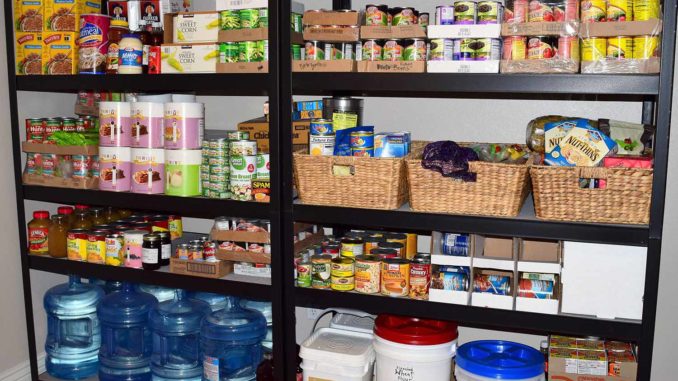
When it comes to long-term food storage, the key is selecting items that have a long shelf life and require minimal cooking or water. Items like canned goods, pasta, rice, and peanut butter have longer shelf lives and can sustain you for extended periods.
It’s also crucial to consider nutritional value. A product like Augason Farms 30-Day Emergency Food Storage Supply provides balanced nutrition with foods like instant potatoes, macaroni, and cheese, and even pudding. This pail has a 20-year shelf life, making it an excellent long-term storage option.
Section 2: Proper Storage Techniques and Tips
Proper storage is key to prolonging the life of your food. This includes factors like temperature control, avoiding direct sunlight, and using appropriate containers. For instance, food-grade plastic containers or Mylar bags with oxygen absorbers are great for storing bulk items like grains or beans. FoodVacBags’ 2-pack 11X50 Vacuum Sealer Rolls are ideal for this.
Section 3: Estimating and Extending Shelf Life
Understanding expiry dates and proper rotation techniques are necessary to know what to consume first and maintain freshness. Canned goods, for example, typically have a shelf life of 2-5 years, but dry goods like pasta and rice can last up to 10 years if stored properly.
Vacuum sealing the food items can extend their shelf life significantly. Foodsaver V4400 2-in-1 Vacuum Sealer Machine is an excellent appliance to have in order to seal your food items adequately.
Section 4: Common Mistakes in Long-Term Food Storage
Common mistakes include not storing water along with food, not rotating the stock, or buying items you don’t typically eat. It’s crucial to remember that preparation should match your lifestyle and taste preferences – this isn’t the time to try new foods.
Conclusion
Being ready for any situation isn’t easy, but taking control of your food storage is a significant first step. Start with understanding what’s needed, plan your space, decide your budget, and get to work. Remember, it’s not about hoarding, it’s about being prepared and ensuring your family is safe and fed even in challenging situations.
Now that you understand long-term food storage’s ins and outs, it’s time to make a list and get started. Remember, every small step brings you closer to being a successful and well-prepared prepper!