Facing a home invasion is one of the most terrifying experiences a person can endure. Unlike burglaries that usually occur when no one is home, home invasions happen while residents are present, making them significantly more dangerous. Criminals who engage in these attacks are often aggressive and willing to use force to achieve their goals. Knowing how to react appropriately is essential, but just as important is understanding what mistakes to avoid. A single wrong move can escalate the situation, putting you and your loved ones in even greater danger.
Freezing in Fear Instead of Reacting
One of the worst things you can do in a home invasion is to freeze in fear. When faced with immediate danger, some people experience paralysis, unable to think or move. While fear is a natural response, failing to act can give intruders the upper hand. Instead of allowing shock to consume you, train yourself to react swiftly. If you hear suspicious activity, take immediate action by securing doors, alerting authorities, or getting to a safe location.
Engaging Intruders Without a Plan
Confronting an intruder without a clear plan or a means to defend yourself can lead to disastrous consequences. Many home invaders come prepared with weapons and have no qualms about using them. Unless you have proper training and a tactical advantage, engaging directly can put you in harm’s way. Instead, focus on self-preservation by seeking cover, locating an escape route, or hiding in a secure area while calling for help.
Attempting to Negotiate with Criminals
Some people believe they can talk their way out of a home invasion, but reasoning with intruders is highly unpredictable. While compliance in certain situations may prevent immediate violence, relying on negotiation as a primary strategy is dangerous. Many home invaders are desperate, aggressive, or under the influence of drugs, making them volatile and unpredictable. Rather than wasting time trying to change their minds, prioritize actions that increase your chances of survival, such as seeking safety or calling the police.
Ignoring Warning Signs of a Break-In
A home invasion rarely happens without warning. Criminals often case a property beforehand, looking for vulnerabilities. Strange vehicles parked outside for extended periods, unfamiliar individuals knocking on your door with odd requests, or unusual noises at night can all be red flags. Ignoring these signs can leave you unprepared when an invasion occurs. Always remain vigilant, trust your instincts, and take precautionary measures, such as reinforcing entry points and installing surveillance cameras.
Leaving Entry Points Unsecured
One of the most common mistakes homeowners make is failing to lock their doors and windows. Criminals seek easy access, and an unlocked entrance provides them with just that. During a home invasion, never assume all entry points are secured—double-check and reinforce them if needed. Strong locks, security bars, and motion-sensor lights can deter intruders and buy you valuable time in an emergency.
Announcing Your Presence to Intruders
If you suspect someone has entered your home, calling out to ask “Who’s there?” is a critical mistake. This not only confirms your presence but also gives away your location, making it easier for intruders to find you. Instead of alerting them, remain silent and assess the situation. If possible, move to a safe area and contact law enforcement while avoiding any unnecessary noise that could give away your position.
Turning on Lights and Making Noise Prematurely
When people hear something suspicious, their first instinct is often to turn on the lights. However, this can backfire during a home invasion. If an intruder has entered, sudden illumination can alert them to your movements, giving them an advantage. Instead of making yourself an easy target, remain in the dark, allowing your eyes to adjust while staying as quiet as possible. This gives you the benefit of surprise if you need to escape or defend yourself.
Running Without Thinking About Safety
Escaping is a priority in any dangerous situation, but running blindly without considering the risks can put you in greater danger. Bolting toward the front door without checking if intruders are nearby could result in a direct confrontation. If you choose to flee, evaluate your options carefully. Check for clear paths, avoid high-traffic areas, and use alternative exits if possible. If escape is not feasible, find a secure place to hide and contact emergency services.
Delaying Your Call to Law Enforcement
Some individuals hesitate to call 911 during a home invasion, thinking they should gather more information or wait until they are completely safe. This delay can be a costly mistake. The moment you realize an intruder is inside your home, call for help immediately. Even if you cannot speak, leaving the line open allows dispatchers to hear what’s happening and send officers to your location. Many modern emergency services can trace calls, so contacting them as soon as possible increases your chances of getting help quickly.
Failing to Protect Family Members
If you live with family, ensuring their safety should be a top priority. Do not assume that everyone will respond correctly in a crisis. Children and elderly relatives may panic or become confused, making them vulnerable. Establish a safety plan that includes designated hiding spots, escape routes, and a method of silent communication. Keeping everyone informed and prepared can make a significant difference in a high-stress situation.
Underestimating the Reality of a Home Invasion
Perhaps the most dangerous mindset is believing that a home invasion will never happen to you. Many people assume that because they live in a “safe” neighborhood, they are not at risk. However, crime can occur anywhere, and complacency leaves you vulnerable. Taking security precautions, such as installing alarms, reinforcing doors, and practicing emergency drills, significantly improves your ability to handle a worst-case scenario.
Creating a Security Plan to Reduce Risks
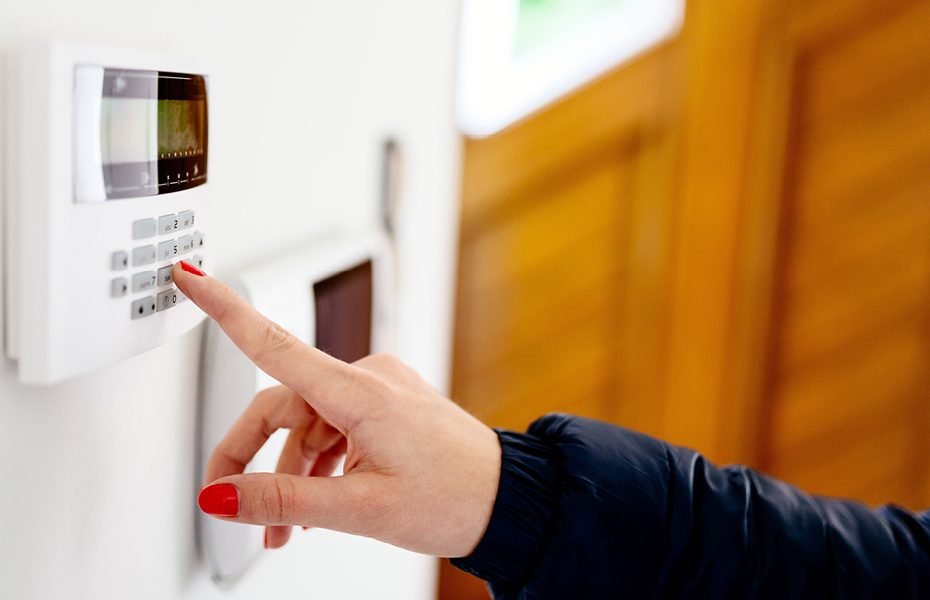
Preparation is key when it comes to home security. Beyond avoiding common mistakes, homeowners should actively invest in protective measures. Installing a monitored security system, motion-detecting lights, and surveillance cameras can deter criminals before they attempt to break in. Reinforcing entry points with solid doors, deadbolts, and window locks increases resistance against forced entry. Additionally, having a designated safe room equipped with emergency supplies can provide a secure space in the event of an invasion.
The Importance of Firearm Training and Non-Lethal Defense
For those who choose to own a firearm for home defense, proper training is essential. Simply having a weapon is not enough; knowing how to use it effectively under stress is crucial. Regular practice at a shooting range, understanding firearm safety, and having a clear plan for accessing the weapon in an emergency can make a significant difference. For those uncomfortable with firearms, non-lethal options such as pepper spray, stun guns, and personal alarms can still provide valuable protection.
Conclusion
Surviving a home invasion requires not only preparation but also an understanding of what NOT to do. Freezing in fear, confronting criminals without a plan, or assuming negotiations will work can all put your life at greater risk. Instead, focus on proactive measures such as securing your home, developing an emergency strategy, and reacting decisively if an invasion occurs. By knowing the things you should never do during a home invasion, you improve your chances of protecting yourself and your loved ones from potential harm. Stay vigilant, stay prepared, and always prioritize safety.