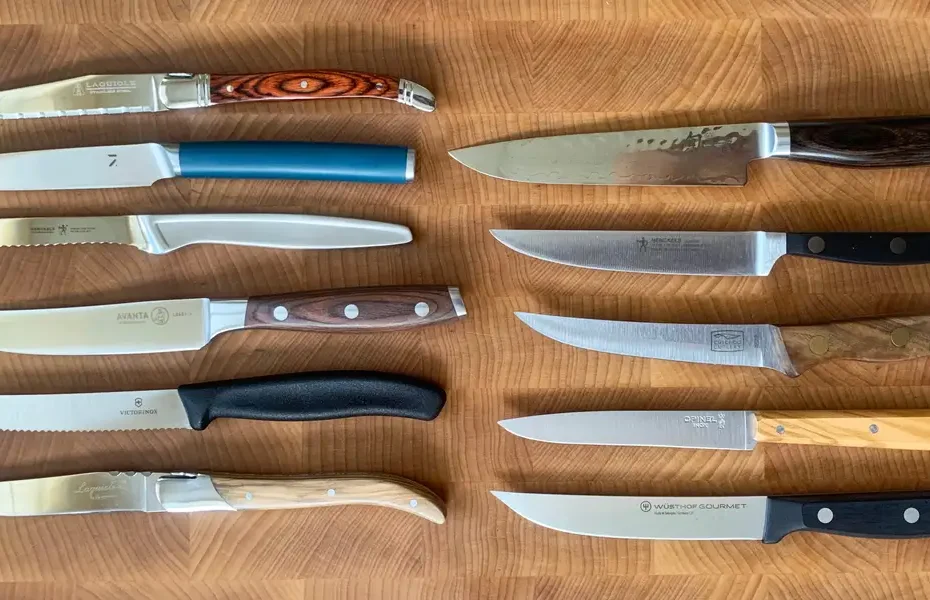
Hiking is an activity that demands preparation, and a good knife is one of the most valuable tools a hiker can carry. Whether you need to cut rope, prepare food, make kindling, or handle emergencies, the right knife ensures you’re equipped for various situations. With a wide range of options available, selecting the best knife can be challenging. This article explores the top knives for hikers, breaking down the differences between fixed and folding blades, materials, handle ergonomics, and additional features that make a knife reliable for outdoor use.
Choosing Between Fixed Blade and Folding Knives
A crucial decision when selecting a knife is whether to go with a fixed blade or a folding knife. Each type has distinct advantages, depending on the hiker’s needs and environment.
Advantages of Fixed Blade Knives
Fixed blade knives are known for their durability and strength. Since they have no moving parts, they are less likely to break or fail under stress. These knives are ideal for heavy-duty tasks such as wood processing, survival situations, or self-defense. While they tend to be bulkier, they make up for it with their reliability.
One excellent fixed blade option is the Morakniv Companion. It is lightweight, features a high-friction grip, and is resistant to harsh weather conditions. Another great option is the ESEE 4, which has a full tang construction and a high-carbon steel blade, making it a tough and dependable choice for rugged hiking adventures.
Benefits of Folding Knives
Folding knives, commonly called pocket knives, are designed for convenience. They are compact and easy to carry, making them ideal for hikers who prefer to minimize weight and bulk in their packs. While they may not be as strong as fixed blade knives, high-quality folding knives still perform well for general hiking tasks.
A top-rated folding knife is the Benchmade Bugout. Designed for ultralight hikers, this knife is incredibly sharp, features a strong locking mechanism, and is made from premium materials. Another great choice is the Spyderco Paramilitary 2, which offers a reliable compression lock system, a comfortable grip, and a high-performance blade that can handle various outdoor challenges.
Understanding Blade Materials and Edge Types
The material of a knife’s blade plays a key role in its durability, sharpness retention, and resistance to corrosion. Hikers should carefully consider the blade composition when selecting a knife for their outdoor excursions.
Common Blade Materials
High-carbon steel blades, such as those found in the ESEE 4, are exceptionally strong and easy to sharpen. However, they require regular maintenance to prevent rust. On the other hand, stainless steel blades, like those used in the Benchmade Bugout, resist corrosion and require less upkeep, making them ideal for hikers who expect to encounter wet conditions.
Straight vs. Serrated Edges
Knives with a straight edge are highly versatile and well-suited for tasks such as slicing, carving, and food preparation. Serrated edges, on the other hand, excel at cutting through tough materials like rope and fabric but can be more challenging to sharpen. Some knives feature a combination edge, which incorporates both styles for enhanced functionality.
Importance of Handle Design and Ergonomics
A knife’s handle is just as important as the blade. A poorly designed handle can cause discomfort and fatigue, making the knife difficult to use over long periods.
Knives with rubberized handles, such as the Morakniv Companion, provide excellent grip and shock absorption, even in wet conditions. High-end materials like Micarta and G-10, found in knives like the ESEE 4, offer durability and moisture resistance. Additionally, textured grips ensure that the knife stays securely in hand, reducing the risk of slipping during use.
Additional Features to Look for in a Hiking Knife
A quality hiking knife should offer more than just a sharp blade. Features such as lightweight construction, reliable locking mechanisms, and extra tools can improve its functionality.
Weight Considerations
Hikers must be mindful of the weight of their gear. A lightweight knife like the Benchmade Bugout, which weighs only 1.85 ounces, is an excellent option for those who want to minimize pack weight while maintaining high performance. If opting for a fixed blade knife, a well-designed sheath can help distribute weight more comfortably.
Locking Mechanisms for Safety
For folding knives, a secure locking mechanism is crucial to prevent accidental closure. The Spyderco Paramilitary 2 employs a compression lock, offering a strong yet easy-to-use safety feature. Other common mechanisms include liner locks and frame locks, which provide stability and security when using the knife under pressure.
Best Knives for Different Hiking Needs
Not all hiking situations are the same, and different hikers may require different types of knives depending on their activities. Whether a hiker needs a compact everyday carry knife or a robust survival tool, there are specialized options available.
Best Lightweight Knife
For those who prioritize weight reduction, the Benchmade Bugout stands out as one of the best ultralight options. Its premium materials and ergonomic design ensure it remains an effective cutting tool without adding extra bulk to a hiker’s gear.
Best Budget-Friendly Knife
Hikers looking for an affordable yet reliable knife should consider the Morakniv Companion. Despite its low cost, it delivers exceptional durability, sharpness, and weather resistance, making it a great choice for budget-conscious adventurers.
Best Survival Knife
For those venturing into remote areas, the ESEE 4 is a highly recommended survival knife. With its full tang construction and rugged high-carbon steel blade, it is capable of handling tough outdoor tasks such as wood chopping and shelter building.
Best Multi-Tool Knife
Hikers who want additional functionality beyond a simple blade should consider the Victorinox Huntsman. This multi-tool knife includes scissors, a saw, a screwdriver, and other useful attachments, making it an excellent choice for handling various outdoor challenges.
Final Thoughts on Choosing the Right Hiking Knife
Selecting the right knife for hiking depends on the individual’s needs and the environment they plan to explore. While fixed blade knives provide unmatched durability and strength, folding knives offer convenience and portability. Factors such as blade material, handle ergonomics, weight, and extra features should be carefully evaluated to ensure a hiker has the best tool for their journey.
So, what are the best knives for hikers? The answer varies depending on the type of hiking adventure, but a well-chosen knife can serve as a reliable companion on any trail. Investing in a high-quality knife tailored to your needs will not only enhance your hiking experience but also provide peace of mind in the wilderness.