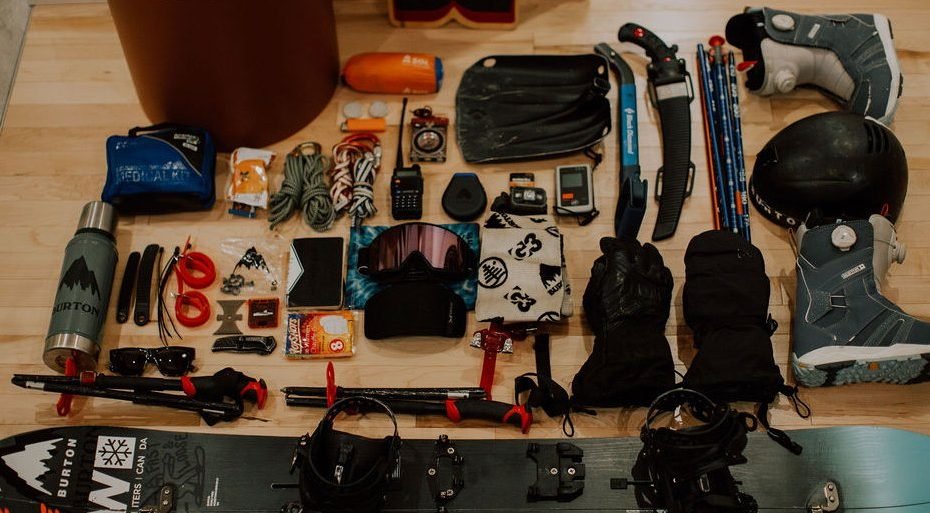
Preparedness is a crucial aspect of survival, whether you are facing a natural disaster, power grid failure, or economic instability. Having the right tools and supplies can make the difference between thriving and merely surviving. The ideal prepper gear should be durable, versatile, and capable of sustaining you for both short-term emergencies and long-term survival situations. In this comprehensive guide, we will explore essential survival items, ensuring you are well-equipped to handle any crisis.
Building the Perfect Bug-Out Bag
A well-prepared bug-out bag is a fundamental necessity for any survivalist. It should contain enough provisions to sustain you for at least three days. The backpack itself should be rugged, lightweight, and waterproof, ensuring durability in harsh conditions. Look for models with multiple compartments to keep items organized and easily accessible.
Water Purification and Storage
Clean drinking water is a top priority in any survival scenario. A reliable water filtration system, such as a personal filter straw or a gravity-fed purifier, can remove bacteria and parasites from untreated water sources. Carrying a collapsible water container allows for efficient storage, while water purification tablets serve as an additional safeguard in case your filtration system malfunctions.
Emergency Food Supplies
Stocking up on long-lasting, high-calorie food is essential. Freeze-dried meals, energy bars, and dehydrated fruits provide a nutritious and lightweight solution. Canned goods with easy-open lids are another option, though they add extra weight. A portable stove or compact cookware enables food preparation even in austere conditions. Consider packing a fishing kit or hunting tools for sustainable food sourcing in prolonged emergencies.
Shelter and Protection from the Elements
Exposure to extreme weather conditions can be life-threatening. A lightweight tent, an emergency bivvy, or a tarp provides essential protection against the elements. Sleeping bags rated for low temperatures and thermal blankets help retain body heat, reducing the risk of hypothermia. Fire-starting kits with waterproof matches, lighters, and ferrocerium rods ensure you can create warmth and cook food under various conditions.
First Aid and Medical Preparedness
A well-stocked first-aid kit is a non-negotiable component of any survival plan. Bandages, antiseptics, pain relievers, and wound dressings are essential for treating injuries. Medications for allergies, infections, and gastrointestinal issues help prevent minor ailments from escalating into life-threatening conditions. Advanced first-aid kits should also include trauma supplies like tourniquets, hemostatic gauze, and splints for more severe injuries.
Essential Tools for Survival Situations
Survival tools enhance efficiency, allowing you to complete essential tasks with minimal effort. A sturdy knife, multi-tool, and axe can assist with food preparation, shelter construction, and self-defense.
Knives and Multi-Tools
A high-quality fixed-blade survival knife is invaluable for cutting, carving, and self-protection. Look for a full-tang design made from high-carbon steel for durability. A multi-tool equipped with pliers, screwdrivers, a saw, and a bottle opener provides additional functionality and can handle small repairs and survival tasks.
Navigation and Signaling Equipment
Navigating unfamiliar terrain requires reliable tools. A topographic map and a durable compass are indispensable for orienteering. GPS devices with offline capabilities offer another layer of security. In case of communication failure, a hand-crank emergency radio keeps you informed of weather updates and emergency broadcasts. Signal mirrors, whistles, and flares can be used to alert rescuers if you become stranded.
Lighting and Power Sources
Reliable illumination is necessary for nighttime survival. A durable tactical flashlight with a long battery life is a must-have. Headlamps allow for hands-free operation, making them useful for setting up camp or navigating at night. Solar-powered chargers, power banks, and hand-crank generators ensure you can recharge essential electronic devices without relying on the grid.
Security and Self-Defense Measures
In uncertain times, personal security is a critical concern. Whether defending against wildlife or human threats, having a solid plan for self-defense is essential.
Firearms and Non-Lethal Defense Options
For those trained and legally permitted, firearms provide an effective means of self-defense. Handguns, shotguns, or rifles each serve different purposes depending on your environment. However, non-lethal options such as pepper spray, stun guns, and expandable batons offer alternatives for those who prefer less aggressive measures. Learning self-defense techniques further enhances your ability to protect yourself and your loved ones.
Reinforcing Shelter Security
Whether at home or in a temporary campsite, securing your surroundings is essential. Fortify your home with reinforced doors, window locks, and motion-sensor lighting to deter intruders. In a survival setting, setting up tripwire alarms or makeshift barriers can provide early warning signs of approaching threats. Keeping a watchful eye on your surroundings minimizes the risk of unwanted encounters.
Long-Term Survival Strategies
Short-term survival is one aspect of preparedness, but long-term sustainability is equally important. Building a self-sufficient lifestyle ensures ongoing resilience in a prolonged crisis.
Sustainable Food and Water Sourcing
For long-term survival, growing your own food is a game-changer. Establishing a garden with heirloom seeds ensures a renewable food source. Learning hunting, fishing, and foraging skills expands your options for obtaining food from nature. Rainwater collection systems, combined with reliable filtration units, secure a continuous supply of potable water.
Clothing and Personal Protection
The right clothing provides protection against environmental hazards. Layered, moisture-wicking fabrics keep you comfortable in extreme temperatures. Durable, waterproof outerwear shields against rain and wind. High-quality boots with proper insulation and support prevent foot injuries during extended travel. Gloves, goggles, and face masks protect against debris, smoke, and airborne contaminants.
Mental Preparedness and Skill Development
Survival isn’t just about having the right gear—it’s about knowledge and adaptability. Training in first aid, wilderness survival, and bushcraft increases your confidence in handling emergencies. Regularly testing your equipment and practicing essential skills ensures that you are prepared for real-world scenarios. Reading survival manuals, taking courses, and engaging in hands-on training enhance your overall readiness.
Conclusion
Investing in the right prepper gear is a crucial step toward preparedness. From water filtration systems and emergency food supplies to self-defense tools and communication devices, every item plays a role in increasing your resilience. Long-term survival strategies, such as sustainable food production and skill development, further enhance your ability to navigate crises. By prioritizing adaptability, resourcefulness, and continuous learning, you can face emergencies with confidence and security. Whether preparing for short-term disruptions or long-term survival, having the right gear and mindset ensures you are ready for any challenge.