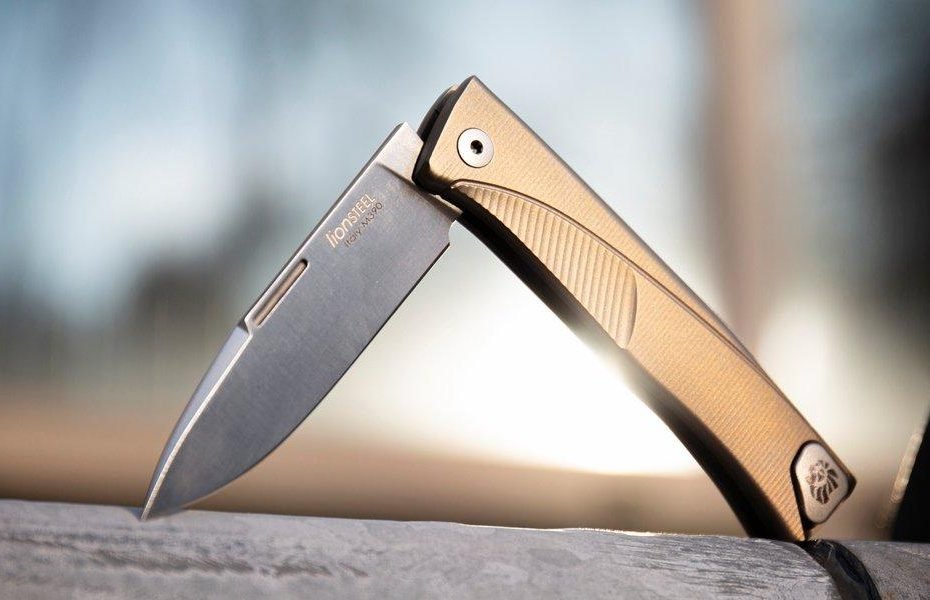
A reliable knife is one of the most essential tools for survivalists, campers, and outdoor enthusiasts. Whether it’s used for cutting wood, preparing food, self-defense, or crafting emergency tools, a high-quality knife can make all the difference. But how do you determine what makes a knife good value? With so many choices on the market, understanding the key factors that define a dependable and cost-effective knife is crucial.
Blade Material and Performance
The type of steel used in a knife greatly affects its performance, durability, and ease of maintenance. High-carbon steel blades are favored for their superior edge retention and sharpness, making them ideal for heavy-duty tasks. However, they require regular oiling to prevent rust. Stainless steel blades, while offering corrosion resistance, may need more frequent sharpening due to their softer composition.
Beyond steel type, the heat treatment process is essential. A properly tempered blade strikes a balance between toughness and hardness, ensuring it doesn’t become too brittle or too soft. When searching for what makes a knife good value, consider how the blade material and heat treatment will impact long-term usability.
Blade Shape and Functionality
The design of a knife’s blade determines how well it handles different tasks. Drop-point blades, with their strong tips and versatile curvature, are excellent for general survival tasks such as skinning game and whittling wood. A clip-point blade, on the other hand, provides precision for detailed cutting, while tanto blades are known for their reinforced tips, making them useful for piercing and prying.
The cutting edge also plays a crucial role in performance. A plain edge is easy to maintain and provides clean cuts, whereas a serrated edge excels at sawing through fibrous materials like rope and thick vegetation. Some knives incorporate a partially serrated edge to offer the advantages of both styles. Choosing the right blade shape ensures that your knife meets your specific survival needs.
Handle Comfort and Grip
A well-crafted handle can mean the difference between a secure grip and a dangerous slip. Materials like G-10, Micarta, and rubberized coatings offer enhanced grip, ensuring the knife remains steady even in wet conditions. Wooden handles, while aesthetically pleasing, may require additional care to maintain durability.
The shape and ergonomics of the handle are equally important. A contoured handle provides comfort and reduces hand fatigue, while aggressive texturing ensures a secure grip in harsh environments. A knife that fits comfortably in the hand and offers a firm hold contributes significantly to its overall value.
Tang and Structural Integrity
The construction of a knife’s tang—the portion of the blade extending into the handle—directly affects its strength. Full-tang knives, where the blade extends through the entire handle, provide maximum durability and reliability, making them an excellent choice for demanding survival situations.
In contrast, knives with a partial tang or rat-tail tang may be lighter but are more prone to breakage under stress. A full-tang knife may cost more upfront, but it is a far better investment for those who require a tough and long-lasting tool.
Sheath Design and Portability
A well-designed sheath adds to a knife’s convenience and safety. Kydex sheaths offer excellent retention and durability, while leather sheaths provide a traditional and long-lasting option when properly maintained. Nylon sheaths, although lightweight, tend to wear out faster with frequent use.
The way a sheath attaches to your gear also affects its usability. Some sheaths come with MOLLE compatibility for tactical use, while others feature belt loops or clips for easy access. A practical sheath allows for safe storage and quick deployment when needed.
Balancing Cost and Performance
A knife’s price tag doesn’t always reflect its value. Some budget-friendly options provide excellent performance with quality materials, while some expensive knives may offer premium aesthetics without significant functional advantages. Understanding what makes a knife good value involves weighing its materials, construction, and usability against its cost.
For those who rely on their knife for survival, spending a little more for enhanced durability, edge retention, and a solid grip is often worth it. However, an affordable knife with well-chosen features can still serve as a dependable tool without unnecessary expense.
Longevity and Maintenance
A good knife retains its value over time through proper care and maintenance. Blades that dull quickly or rust easily lose their usefulness, no matter how expensive they are. Regular sharpening, cleaning, and lubrication can extend a knife’s lifespan significantly.
Knives with easy-to-maintain steel types reduce the effort needed to keep them in working condition. A model with a solid warranty or a well-established reputation for longevity will also provide more value in the long run.
Final Thoughts
A high-quality knife is a fundamental tool for anyone venturing into the wild, but cost alone does not determine value. When assessing what makes a knife good value, consider factors like blade material, shape, handle comfort, tang construction, sheath quality, and long-term durability. A knife that balances affordability with practicality will serve as a reliable companion in any survival situation. Investing in a well-made knife ensures you’re prepared for whatever challenges the wilderness presents.