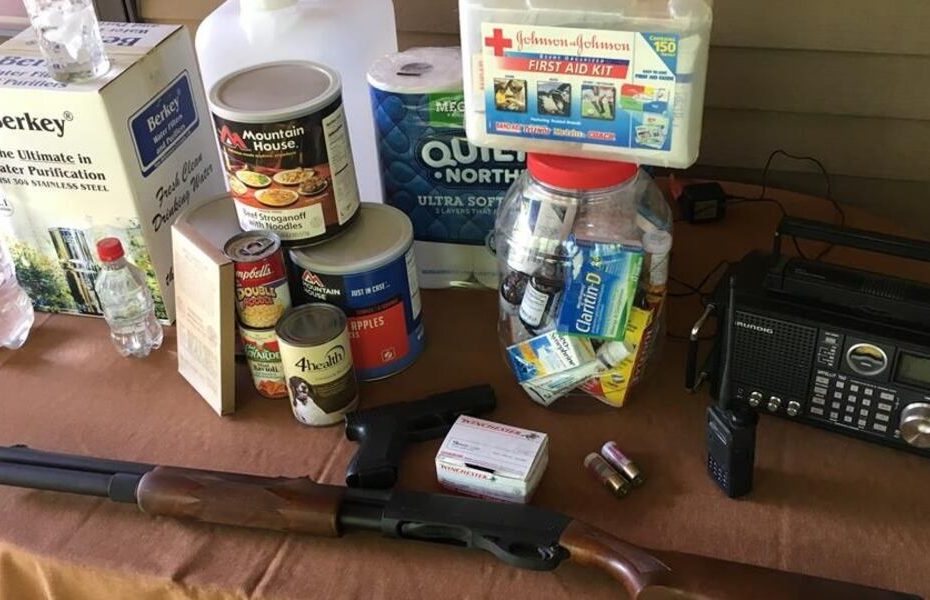
Preppers dedicate their lives to readiness, ensuring they have the resources and skills necessary to survive any crisis. While stockpiling food, securing shelter, and maintaining self-defense skills are essential, financial preparedness often goes overlooked. Insurance is a powerful tool that can protect assets, cover medical costs, and provide financial stability during uncertain times. Understanding the different types of insurance that preppers invest in can help others build a more resilient preparedness plan.
Health Insurance: A Safety Net for Medical Emergencies
In a survival situation, access to medical care may be limited, making it vital for preppers to maintain good health and have a plan for covering medical costs. Health insurance ensures that necessary treatments, surgeries, and medications are accessible even during financial hardship.
Some preppers prefer high-deductible health plans (HDHPs) coupled with Health Savings Accounts (HSAs), allowing them to set aside pre-tax money for medical expenses. Others may choose private healthcare memberships or alternative care plans that grant access to medical professionals even if traditional healthcare systems become strained.
Life Insurance: Protecting Family Members After a Crisis
One of the core principles of prepping is ensuring the safety and security of loved ones. Life insurance plays a key role in this, providing financial support to dependents in case of an untimely death.
Preppers often select between term life insurance, which offers coverage for a fixed number of years, and whole life insurance, which builds cash value and remains active indefinitely. Some policies also include critical illness riders, enabling policyholders to access funds if they develop a serious medical condition.
Homeowners and Renters Insurance: Securing Property and Supplies
A prepper’s home is more than just a place to live—it is often a refuge filled with survival supplies, security systems, and alternative energy sources. Homeowners insurance protects against damage caused by disasters, theft, or accidents.
For those living off-grid, homesteading, or maintaining a survival retreat, specialized policies may be necessary to cover solar panels, underground bunkers, and stored provisions. Renters insurance provides similar protections for preppers who do not own their homes, ensuring their preparedness investments are safeguarded.
Auto and Bug-Out Vehicle Insurance: Staying Mobile in Emergencies
Having a reliable vehicle is crucial for both everyday transportation and emergency evacuations. Preppers often invest in sturdy bug-out vehicles, such as off-road trucks, SUVs, or motorcycles, ensuring they can escape a dangerous situation if necessary.
Comprehensive auto insurance covers damage caused by accidents, natural disasters, or theft. Some preppers choose policies that include roadside assistance and rental car coverage, ensuring they always have a mode of transportation available in case of a vehicle breakdown.
Disaster Insurance: Protection Against Natural Catastrophes
Natural disasters such as wildfires, earthquakes, and floods can destroy homes and belongings in an instant. Standard homeowners insurance does not always provide full coverage for these types of events, so preppers often seek out additional policies tailored to their location’s specific risks.
Flood insurance, for example, is essential for those living in low-lying areas, while earthquake insurance is a necessity in regions prone to seismic activity. Without these specialized policies, rebuilding after a disaster can become financially devastating.
Income and Business Protection: Maintaining Financial Stability
Many preppers prioritize financial independence by running their own businesses or working remotely. For those who rely on self-employment or a small business, protecting their income stream is critical.
Disability insurance provides financial support if an injury or illness prevents an individual from working. Business insurance can cover property damage, liability claims, and business interruptions caused by unforeseen events. These policies ensure that preppers can maintain financial stability even when facing economic challenges.
Firearms and Self-Defense Insurance: Legal Protection for Security Measures
Many preppers prioritize self-defense, often owning firearms to protect themselves and their families. However, using a firearm in self-defense can lead to legal complications, including lawsuits or criminal charges.
Firearms liability insurance helps cover legal fees, settlements, and other expenses related to self-defense incidents. Organizations such as the U.S. Concealed Carry Association (USCCA) offer policies specifically designed to support gun owners facing legal action. These policies provide peace of mind, ensuring that a prepper’s legal defense will not lead to financial ruin.
Travel and Evacuation Insurance: Planning for Global Instability
In an increasingly unstable world, some preppers make plans to relocate or evacuate in case of a severe crisis. Travel and evacuation insurance can cover the costs of emergency medical transportation, trip cancellations, and repatriation in case of political upheaval or natural disasters.
Expats or those considering international relocation often opt for global health insurance, ensuring that they have access to medical care no matter where they are in the world. These policies can be especially valuable in regions where healthcare is limited or unreliable.
Cybersecurity and Identity Theft Insurance: Protecting Digital Assets
Preppers recognize that modern threats are not limited to physical dangers. Cybercrime, including hacking, identity theft, and financial fraud, can be just as devastating as any natural disaster. Cybersecurity and identity theft insurance offer financial protection against digital threats, covering stolen funds, legal fees, and data recovery expenses.
As financial transactions increasingly shift to digital platforms, ensuring protection against cyber threats becomes a key part of a well-rounded preparedness plan. Some policies even provide professional assistance to restore identities and recover lost assets.
Long-Term Care Insurance: Planning for Aging and Disabilities
As preppers age, they must consider how to manage their health and personal care needs in the future. Long-term care insurance provides coverage for nursing home care, assisted living, and in-home caregiving services. Without this coverage, individuals may struggle to afford the care they need later in life.
For those who plan to age in place or rely on family members for care, having a financial cushion can make all the difference. Preppers often view this type of insurance as a crucial investment in their long-term survival strategy.
Food and Supply Insurance: Ensuring Survival Investments Are Covered
Preppers spend years stockpiling food, water, and essential supplies. However, fires, floods, or theft could wipe out years of careful preparation in an instant. Some insurance companies offer specialized coverage for emergency food stores and survival gear, ensuring these valuable resources are protected.
In some cases, standard homeowners policies may cover a portion of stored goods, but preppers should review their policies carefully to determine whether additional coverage is needed for their survival stockpiles.
Conclusion
Prepping is about more than just storing food and securing shelter—it is about long-term survival and financial stability. The right insurance policies provide an additional layer of protection, ensuring that preppers can recover from disasters, medical emergencies, and financial setbacks. From health and life insurance to firearms liability and cybersecurity coverage, these policies help safeguard both physical and financial well-being. Understanding what types of insurance do preppers have allows others to make informed decisions about their preparedness plans, ensuring they are ready for anything the future may bring.