Introduction
Imagine you’re in the heart of the wilderness, the sun is setting and you know you need to build a shelter. But as you reach into your survival backpack, you realise your trusty knife is missing. This real-life scenario can happen in the blink of an eye, and it underlines the importance of preparedness, especially if you are a survival enthusiast or prepper. A critical aspect of preparedness is First Aid training. That’s why in this post, we delve into the reasons why you, as a prepper, should consider taking a First Aid course.
Think about it, have you ever wondered how you would react if you or someone with you got injured in a survival situation? Without immediate medical attention, even small injuries can become life-threatening. Don’t you think First Aid training could be a crucial skill to possess?
Main Body
Section 1: Understanding First Aid and Its Importance In Survival Situations
First Aid is the immediate and temporary care given to a person who is injured or suddenly becomes ill. Basic First Aid knowledge can potentially save lives, especially in situations where medical attention is not readily accessible. Even a simple task such as cleaning and bandaging a wound can prevent infections and other complications. For a wilderness survivalist, investing in a quality First Aid kit like the Surviveware Small First Aid Kit could be a game-changer. It’s compact, easy to carry, and packed with over 100 pieces of essential First Aid equipment.
Section 2: Comparing Different Types of First Aid Courses
Not all First Aid courses are the same. For wilderness survival, it may be beneficial to take a Wilderness First Aid (WFA) or a Wilderness First Responder (WFR) course. Both offered by the Red Cross, these courses cover various emergency response procedures required in outdoor survival situations such as how to handle bites and stings, how to diagnose and treat hypothermia, heatstroke and even how to set fractures. By comparing different course offerings, you can identify the one that best meets your specific needs.
Section 3: The Practical Application of First Aid in Real Life Scenarios
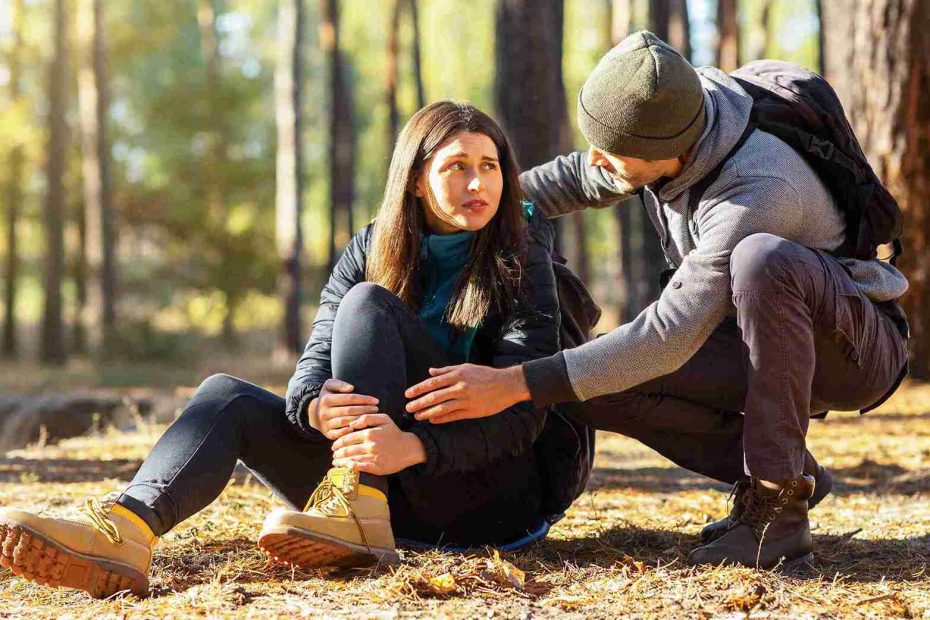
First Aid training is not just about theory, it’s a hands-on skill. For example, imagine you are camping in a remote location and a venomous snake bites your companion. A Wilderness First Aid (WFA) course will equip you with the knowledge to identify the type of bite, apply immediate First Aid, and get the victim to a medical facility without aggravating the situation. Training can make the difference between life and death in a survival situation.
Section 4: Busting First Aid Myths
It’s important to debunk First Aid myths that can cause harm. For instance, contrary to popular belief, applying a tourniquet is not always the first response to a bleeding limb. Over-tightening can lead to more damage. Professional First Aid training teaches effective and safe techniques backed by science, ensuring the best possible outcomes.
Conclusion
Being a prepper is more than just having the right gear – it’s also about having the right skills. Adding First Aid training to your arsenal of survival knowledge can be a potentially lifesaving decision. Instead of wondering how you would react in a medical crisis, isn’t it high time you got the confidence and know-how to stay safe? The wilderness awaits you, make sure you are adequately prepared!
Now it’s time to act. Research First Aid courses available in your area, or even consider taking an online course. Remember, when it comes to survival situations, it’s not just about enduring, it’s also about coming out alive!
To further amp up your readiness, check out our comprehensive review on the survival backpack essentials, where we discuss everything from survival gear to food supplies. Every bit of information counts when it comes to survival preparedness.