Losing power during a cold spell can be more than just inconvenient—it can be dangerous. Without access to a heating system, indoor temperatures can drop rapidly, increasing the risk of hypothermia and other cold-related illnesses. Fortunately, with the right approach, you can keep your home warm and protect yourself and your loved ones until electricity is restored. This guide explores effective ways to maintain warmth indoors when the power goes out.
Maximizing Heat Retention in Your Home
The first step to staying warm without power is preventing heat loss. Your home will cool down gradually, but taking action to preserve residual warmth can make a significant difference.
Block Drafts and Air Leaks
Cold air often finds its way inside through gaps in windows, doors, and ventilation systems. Sealing these openings with towels, blankets, or weather stripping can help prevent warm air from escaping. If you have access to duct tape or plastic sheeting, covering windows with these materials can further insulate your home against the cold.
Reduce the Size of Your Living Space
Instead of trying to keep the entire house warm, focus on a single room where everyone can gather. Close doors to unused spaces and use heavy blankets or sheets to cover doorways and block cold air from spreading. If you have a small tent, setting it up indoors can create an even more insulated area within a room.
Cover Windows and Floors
Windows are a major source of heat loss, especially if they are single-pane. Covering them with thick curtains, blankets, or bubble wrap can help insulate them. Additionally, placing rugs, towels, or extra layers on hardwood or tile floors can prevent cold air from seeping up from below.
Dressing for Maximum Warmth
What you wear indoors can greatly impact how well your body retains heat. By layering your clothing and covering key areas of heat loss, you can stay much warmer without external heating sources.
Layer Your Clothing
Dressing in multiple layers is far more effective than wearing one thick garment. Begin with a moisture-wicking base layer to keep sweat from making you cold, add insulating layers such as fleece or wool, and finish with an outer layer that helps trap heat.
Protect Your Extremities
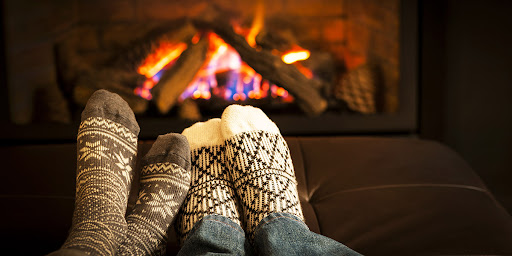
Your head, hands, and feet lose heat faster than other parts of your body, so keeping them covered is essential. Wear thick socks, gloves, and a hat indoors to maintain warmth. Even lightweight gloves can make a significant difference when temperatures drop.
Utilize Blankets and Sleeping Bags
Thick blankets, comforters, and sleeping bags designed for cold weather can provide excellent insulation. Wrapping yourself in multiple layers or using an emergency mylar blanket can reflect body heat back to you, helping you stay warmer for longer periods.
Generating Heat Without Electricity
When your primary heating system is unavailable, you may need to create alternative sources of warmth. Some methods are simple and safe, while others require careful attention to avoid fire hazards.
Share Body Heat
If you’re not alone, sitting close to others and sharing blankets can help conserve heat. Body warmth is a natural and effective heat source, and huddling together can make a cold night much more bearable.
Create a DIY Heater
Candles can provide a surprising amount of warmth when used in an enclosed space. Placing several candles under an inverted terracotta pot can create a small but effective heat source. Be cautious with open flames and ensure proper ventilation to avoid smoke buildup.
Use Safe Indoor Heaters
Certain propane and kerosene heaters are designed for indoor use, but they must be used carefully to prevent carbon monoxide poisoning. If you have a heater rated for indoor operation, ensure adequate ventilation and follow the manufacturer’s safety guidelines.
Cook to Generate Heat
If you have a gas stove or wood-burning stove, cooking meals can add warmth to your living space. Boiling water, baking, or simmering soups not only provides food but also increases indoor temperature slightly. Always monitor open flames and never use a gas oven as a primary heat source.
Creating a Warm Sleeping Environment
The coldest part of the day is often at night, making it essential to prepare your sleeping area properly to retain warmth while you rest.
Layer Your Sleeping Materials
Using multiple blankets, sleeping bags, and even layering extra clothing while you sleep can help trap body heat. If you have access to emergency thermal blankets, they can be an excellent way to retain warmth.
Heat Objects for Extra Warmth
If you have a safe way to heat water, filling bottles and placing them near your feet can provide several hours of warmth. Heated stones, bricks, or rice bags wrapped in cloth can also serve as excellent heat-retaining tools.
Set Up a Small Tent Indoors
Sleeping inside a tent within your home can create a microclimate that retains body heat more effectively than an open room. If a tent isn’t available, creating a makeshift fort with blankets can serve a similar purpose.
Eating and Drinking to Stay Warm
What you consume during a power outage can influence your body’s ability to generate and retain heat. Certain foods and drinks can keep you feeling warmer, while others can have the opposite effect.
Eat Calorie-Dense Foods
Your body generates heat through metabolism, so consuming high-energy foods such as nuts, dried fruits, peanut butter, and whole grains can help keep you warm. Avoid foods that require excessive digestion, as they can make you feel colder.
Drink Warm Liquids
Hot beverages like tea, broth, or even warm water can help maintain your core body temperature. If you have a safe way to heat water, drinking warm fluids throughout the day can be beneficial.
Avoid Alcohol and Caffeine
Although alcohol may make you feel warm temporarily, it actually causes blood vessels to dilate, increasing heat loss. Similarly, caffeine can lead to dehydration, which can make it harder for your body to regulate temperature.
Preparing for Future Power Outages
If you live in an area prone to winter storms, taking proactive steps before an outage occurs can make a world of difference in staying warm.
Stock Up on Emergency Supplies
Keep extra blankets, thermal clothing, candles, and emergency heating options on hand. Having a stockpile of non-perishable food and bottled water can also help you endure longer outages.
Invest in Backup Heating Solutions
A generator, battery-powered heating devices, or a wood stove can provide alternative sources of warmth. Make sure you have enough fuel or battery power to last several days if needed.
Improve Home Insulation
Adding insulation to walls, installing storm windows, and applying weatherproofing materials can reduce heat loss during cold weather. Taking these steps in advance can help keep your home warmer even when the power goes out.
Conclusion
Surviving a power outage in freezing conditions requires preparation, knowledge, and resourcefulness. By sealing off drafts, layering clothing, utilizing alternative heat sources, and consuming the right foods, you can significantly improve your chances of staying warm. Preparing for such situations in advance ensures you won’t be caught off guard when the next blackout strikes.