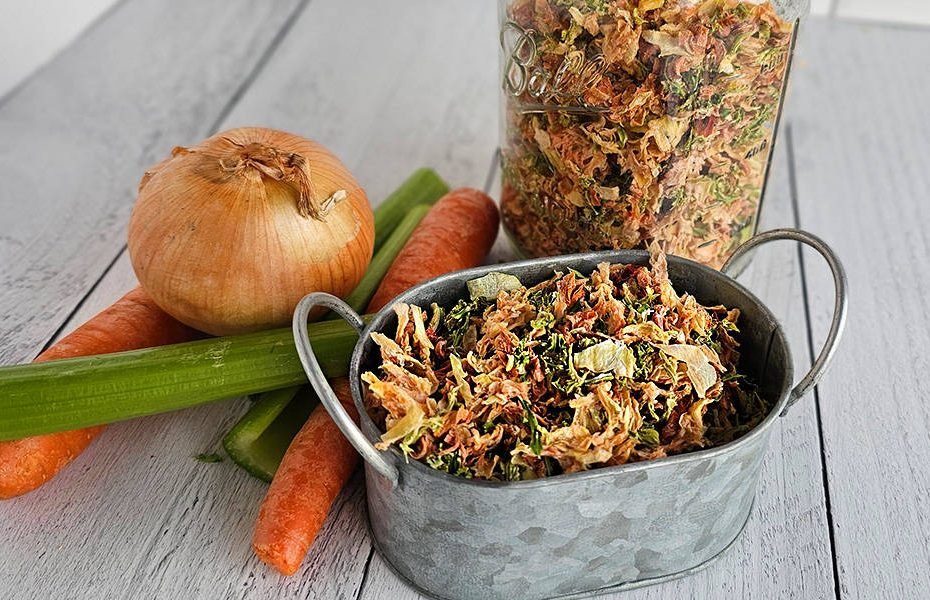
Food preservation has always played a vital role in human survival, and dehydration is one of the oldest and most effective methods. The ability to store food for long periods without refrigeration makes dehydrated foods an essential part of any survivalist’s emergency preparedness plan. Their durability, convenience, and nutritional value make them indispensable for those preparing for uncertain times.
How Dehydration Works to Preserve Food
Dehydration is a process that removes moisture from food, thereby slowing down the growth of bacteria, mold, and other microorganisms that cause spoilage. This preservation technique has been used for centuries, allowing people to store food for months or even years. Modern dehydration methods use low heat and airflow to extract moisture while maintaining the majority of the food’s original nutrients.
Compared to freezing and canning, dehydration is a low-energy method that doesn’t require electricity once the process is complete. Sun drying, air drying, and food dehydrators all provide effective ways to dehydrate foods. These options ensure that survivalists can store food efficiently, even in situations where electricity is unavailable.
Extended Shelf Life and Space-Saving Storage
One of the greatest benefits of dehydrated food is its long shelf life. When stored correctly in airtight containers away from heat and moisture, dehydrated foods can last for years. This makes them an ideal choice for emergency food storage, as they provide security against food shortages and supply chain disruptions.
Additionally, dehydrated foods are much lighter and more compact than their fresh counterparts. Fruits, vegetables, and meats shrink significantly in size, allowing for efficient storage in small spaces. This space-saving advantage makes it possible to store a large supply of food without requiring excessive room.
Retaining Nutrition and Flavor
Despite the moisture loss, dehydrated foods retain most of their original nutrients. While certain vitamins, such as vitamin C, may diminish slightly, the majority of essential minerals, fiber, and antioxidants remain intact. Dehydration concentrates flavors, resulting in richer-tasting fruits, vegetables, and meats that can enhance meals even when rehydrated.
For survivalists, maintaining a diet rich in vitamins and minerals is critical. Dehydrated food allows for a diverse range of nutritious options that can be stored long-term without relying on refrigeration.
Versatility in Meal Preparation
Dehydrated foods offer incredible versatility when it comes to meal preparation. Dried fruits can be eaten as snacks, blended into smoothies, or added to baked goods. Dehydrated vegetables and meats can be used in soups, stews, and casseroles. Even full meals can be prepared ahead of time, dehydrated, and stored for quick rehydration when needed.
Rehydrating dried foods is a straightforward process. Adding water and allowing the food to soak for a short time restores its texture and flavor. Cooking with dehydrated ingredients is convenient, making them a practical choice for both emergency situations and daily use.
Cost-Effectiveness and Sustainability
One major advantage of dehydrated food is its cost-effectiveness. Buying fresh produce in bulk and dehydrating it at home can save money in the long run. Unlike frozen foods, which require constant electricity, dehydrated foods do not add to monthly energy bills.
Dehydration is also an environmentally friendly food preservation method. It reduces food waste by extending the usability of perishable items and eliminates the need for plastic packaging often found in store-bought canned or frozen goods. For individuals looking to live a more self-sufficient lifestyle, dehydration provides a sustainable and efficient food storage solution.
Essential for Emergency Situations
Survivalists understand the importance of being prepared for emergencies, whether it be natural disasters, economic downturns, or supply chain failures. Having a reliable food supply is crucial in such situations, and dehydrated foods provide a lightweight, non-perishable option for emergency kits and bug-out bags.
Unlike canned foods, which are bulky and heavy, dehydrated meals are compact and easy to transport. They also require minimal preparation, making them perfect for survival situations where time and resources are limited. Their long shelf life ensures that even if disaster does not strike immediately, the stored food remains usable for years to come.
Perfect for Off-Grid Living and Outdoor Adventures
For those living off-grid or engaging in outdoor activities such as hiking, camping, or hunting, dehydrated foods are a valuable resource. They are easy to pack, require no refrigeration, and provide essential nutrients needed for sustained energy during physically demanding activities.
Carrying dehydrated meals allows outdoor enthusiasts to enjoy nourishing food without the burden of heavy coolers or perishable ingredients. Whether preparing for a wilderness adventure or maintaining a self-sufficient homestead, dehydrated foods are a smart choice.
How to Dehydrate Your Own Foods
Making your own dehydrated foods at home is a simple process that allows you to control ingredient quality and flavor. Here are some common foods that can be easily dehydrated:
- Fruits: Apples, bananas, pineapples, strawberries, and blueberries
- Vegetables: Carrots, bell peppers, onions, zucchini, and tomatoes
- Proteins: Beef jerky, turkey strips, fish, and tofu
- Herbs: Basil, oregano, rosemary, thyme, and cilantro
To dehydrate food at home, follow these steps:
- Slice foods into thin, even pieces to ensure uniform drying.
- Arrange them in a single layer on dehydrator trays or baking sheets.
- Set the dehydrator or oven to a low temperature, typically between 125°F and 140°F.
- Allow food to dry for several hours, checking periodically for doneness.
- Store the dried food in airtight containers with oxygen absorbers to maintain freshness.
Conclusion
The importance of dehydrated foods in survival preparedness cannot be overstated. Their extended shelf life, lightweight nature, and ease of storage make them an invaluable asset for any emergency food supply. Additionally, their nutritional retention, cost-effectiveness, and sustainability contribute to their practicality for survivalists and off-grid enthusiasts alike.
By incorporating dehydrated foods into a survival strategy, individuals can ensure that they have access to long-lasting, nutritious meals regardless of external circumstances. Whether facing an emergency, preparing for an outdoor excursion, or simply striving for greater food security, dehydration remains one of the most reliable and effective food preservation methods available.