Introduction
Have you ever been in a situation where the light went off in the middle of the night and all you could think of was, “Will my food go bad before morning?” Or have you planned for a camping trip where you knew there would be no electricity and you wondered how to keep your food fresh? This post uncovers the core strategies on how to preserve food without refrigeration. We aren’t talking about ancient techniques but modern, practical methods useful to everyday life scenarios—On camping, RVing, power outage, or reducing energy consumption.
Preserving food without refrigeration combines common sense knowledge, science, and a mix of traditional and modern non-electric appliances. It includes strategies like curing, pickling, dehydrating, canning and the usage of specific products, like a root cellars or canning jars. In this post, we will discuss various ways to preserve foods covering these materials in detail while giving information on effective techniques and product recommendations.
Main Body
Section 1: Preservation Techniques without Refrigeration
1. Canning: Canning involves storing food in vacuum-sealed jars and can be split into the water bath canning, useful for high acid foods like fruits, jams, jellies, salsas and tomatoes, and pressure canning for low acid foods such as meat, poultry, and vegetables. The Presto 23-Quart Pressure Canner and Cooker is an ideal product for pressure canning.
2. Dehydrating: Dehydrating removes moisture from the food which inhibits the growth of bacteria. The COSORI Premium Food Dehydrator is a versatile and budget-friendly option.
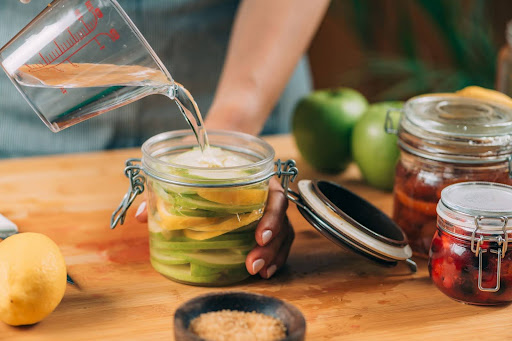
3. Pickling: Pickling involves immersing food in a solution of salt or brine. Try Ball Mason 16-Ounce Canning Jars to ensure an airtight seal that properly preserves what’s inside.
Section 2: Optimizing Preservation Conditions
A comparison of different canning methods requires an understanding of critical preservation conditions. For instance, all preservation methods generally require dark, cool, and consistent temperatures. The root cellar provides such conditions. The Earthbag building is an affordable root cellar model while the Hole In The Ground Cellar book provides a step-by-step guide to build one.
Section 3: Real-World Applications of Non-Refrigeration Preservation
In a power outage, having canned and dehydrated food can save your family from hunger. For those in areas that frequently experience natural disasters, having a stockpile of preserved food is a must. For campers or RVers, dehydration and canning are perfect to keep foods safe in transit and during the camp.
Section 4: Common Myths or Mistakes about Non-Refrigeration Preservation
One common misconception is that food preservation without refrigeration significantly reduces the nutritional value of food. However, while minor nutrient loss can occur during home preservation processes like canning, most nutritious foods retain a majority of their nutritional value.
Conclusion
Let’s face it; knowing how to preserve food without refrigeration comes handy for outdoor adventures, emergencies, and for an eco-friendly lifestyle. So, invest wisely, think creatively, and employ these preservation techniques before being caught off guard. Whether you choose to can, dehydrate, or pickle, or all three, you have what you need to be prepared and well-nourished in any situation!