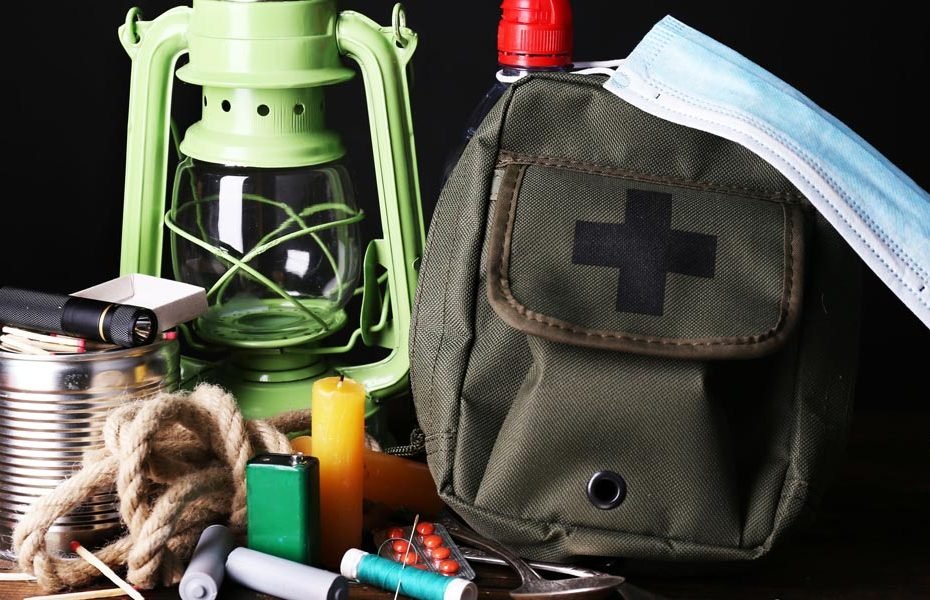
Emergencies can happen at any moment, and being unprepared can lead to dangerous and stressful situations. Having a reliable emergency kit on hand can make all the difference in ensuring safety and survival during disasters. While some survivalists prefer to build their own kits, pre-made emergency preparedness kits provide a ready-to-go solution for those who want to be prepared without spending time researching and assembling supplies. These kits contain essential items designed to help individuals and families withstand various crises, from power outages and natural disasters to unexpected evacuations.
Why Preparedness is Crucial
Natural disasters, accidents, and emergencies can strike without warning, leaving little time to gather necessary resources. From hurricanes and earthquakes to snowstorms and wildfires, unpredictable events can cut off access to basic necessities. Having emergency supplies on hand reduces dependence on external aid and increases the likelihood of staying safe and comfortable until help arrives.
A well-stocked emergency kit provides food, water, medical supplies, and survival tools that can sustain individuals for days or even weeks. Pre-made emergency preparedness kits are particularly beneficial for those who may lack the knowledge or experience to assemble a comprehensive survival kit on their own. Instead of trying to determine what is essential, individuals can rely on professionally curated kits that cover a broad range of emergency needs.
Key Components of a Pre-Made Emergency Preparedness Kit
Every high-quality pre-made emergency preparedness kit includes a variety of essential survival tools and supplies. While the contents may vary, most kits include the following key items:
Food and Water Supplies
Sustenance is a top priority in any emergency. Most kits contain calorie-dense food bars, freeze-dried meals, or canned goods that have long shelf lives. They often include water pouches, water purification tablets, or filtration straws to ensure clean drinking water is available, even if local water sources become contaminated.
First Aid and Medical Equipment
Injuries are common in emergencies, so a comprehensive first aid kit is a critical component. These kits usually include bandages, gauze, antiseptic wipes, pain relievers, and basic medications. More advanced kits may contain splints, burn dressings, and tourniquets to address severe injuries.
Emergency Tools and Equipment
Survival often depends on the availability of multipurpose tools. Many kits include flashlights, multi-tools, fire-starting equipment, and paracord. A whistle, emergency blanket, and duct tape are also common inclusions. Some kits provide portable stoves or hand warmers to improve comfort during extended emergencies.
Communication and Navigation Devices
Staying informed during a crisis is essential. Pre-made emergency preparedness kits frequently include battery-powered or hand-crank radios to receive emergency broadcasts. Navigation tools such as compasses and maps can help individuals find their way if they need to evacuate.
Hygiene and Sanitation Essentials
Maintaining cleanliness in a survival situation prevents illness and infection. Many emergency kits include hand sanitizers, biodegradable soap, feminine hygiene products, and portable toilet solutions. Wet wipes and waste disposal bags help maintain sanitation in situations where running water is unavailable.
How to Choose the Right Kit
Selecting the best pre-made emergency preparedness kit depends on several factors, including the number of people it needs to support, the specific threats in the area, and any individual health concerns. Here are a few considerations to keep in mind:
- Capacity and Duration: Some kits are designed for individuals, while others are built to support families for multiple days or even weeks. Consider how long the kit’s supplies will last in an emergency scenario.
- Climate and Geography: If you live in a region prone to earthquakes, hurricanes, or extreme cold, ensure that the kit includes gear suited for those conditions.
- Portability: A lightweight, backpack-style kit is ideal for quick evacuations, while a larger, home-based kit may contain more extensive supplies.
- Customization: While pre-made emergency preparedness kits come with essential items, adding personal medications, extra clothing, or specific tools can enhance their usefulness.
The Advantages of Pre-Made Emergency Preparedness Kits
Investing in a professionally assembled emergency kit provides multiple benefits, including:
- Time-Saving Convenience: Instead of sourcing each individual item, these kits provide everything in a single package, making preparedness simple and stress-free.
- Expertly Curated Supplies: Many kits are designed by survival experts who understand the essential items needed for different types of disasters.
- Comprehensive Coverage: A well-made emergency kit includes provisions for food, water, medical care, and basic survival tools, ensuring that no critical area is overlooked.
- Peace of Mind: Having a ready-made emergency preparedness kit reduces anxiety by ensuring that necessary supplies are available in a crisis.
Potential Downsides of Pre-Made Kits
While pre-made emergency preparedness kits are a great option for most people, there are some drawbacks to consider:
- One-Size-Fits-All Approach: Some kits may include unnecessary items while lacking supplies that meet specific needs, such as medications or dietary accommodations.
- Variable Quality: Not all kits are created equal. Some contain lower-quality materials that may not hold up in a real emergency. Checking reviews and ensuring durable components can help avoid disappointment.
- Higher Cost: While pre-made kits offer convenience, they can be more expensive than assembling a custom kit over time. However, the cost often reflects the convenience and expert curation of supplies.
Maintaining and Updating an Emergency Kit
Owning a pre-made emergency preparedness kit is just the first step. To ensure it remains effective, regular maintenance is essential. Checking expiration dates on food, water, and medical supplies at least once a year ensures that the contents remain usable. Batteries in flashlights and radios should be replaced periodically, and electronic components should be tested to confirm they function properly.
Families should also reassess their emergency preparedness needs over time. If family dynamics change—such as the arrival of a newborn or a member developing a medical condition—kits should be updated accordingly. Keeping a checklist of inventory items and dates for replacements can streamline this process.
Conclusion
Pre-made emergency preparedness kits offer a reliable and efficient way to be ready for unexpected disasters. Designed by experts and containing all the essentials for survival, they simplify the process of emergency preparedness. While they may have some limitations, such as lack of personalization and potential higher costs, their convenience, expert assembly, and comprehensive coverage make them an excellent choice for individuals and families looking to stay prepared. By regularly reviewing and updating these kits, you can ensure that you are ready to face any emergency with confidence.