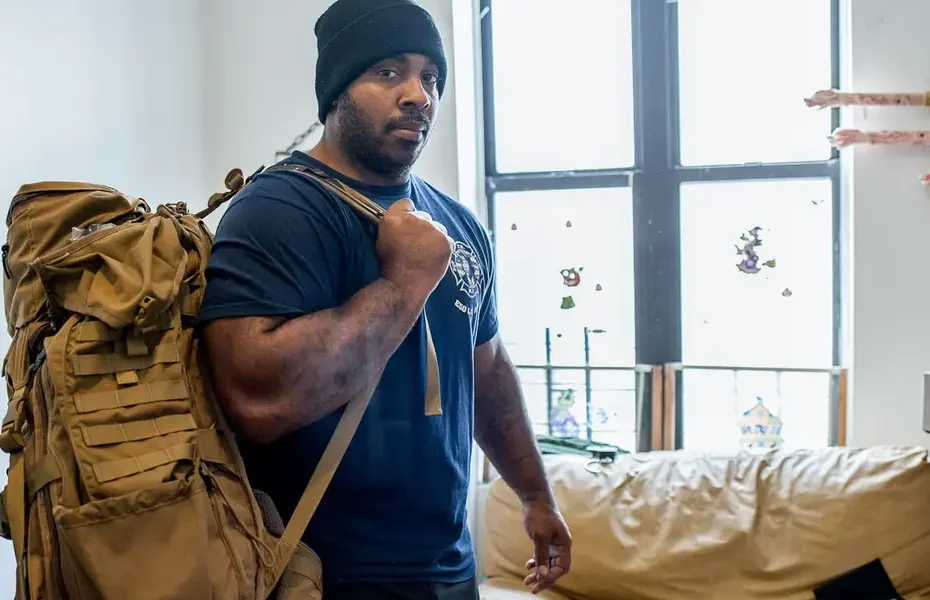
Prepping is all about ensuring that you and your loved ones are ready to handle unexpected emergencies. However, even the most diligent preppers can make crucial errors that could jeopardize their survival strategies. Recognizing and correcting these mistakes is essential for improving preparedness and increasing resilience in the face of disasters. Here are some of the most common prepper mistakes to avoid and how to strengthen your survival plan.
Prioritizing Fancy Gadgets Over Essential Supplies
Many preppers get caught up in purchasing the latest survival gadgets without first securing the basic necessities. High-tech equipment like solar-powered generators, tactical flashlights, and water filtration devices can be beneficial, but they should never take priority over fundamental needs such as food, clean drinking water, medical supplies, and shelter materials. A strong foundation of essentials will ensure survival even if advanced tools fail.
Letting Food and Water Supplies Expire
Stockpiling food and water is a vital part of preparedness, but failing to rotate supplies can lead to spoilage. Canned goods, dehydrated meals, and bottled water all have shelf lives, and consuming expired products can be dangerous. Setting up a rotation system, where older stock is used first while fresh supplies are replenished, will keep your provisions in optimal condition. Checking expiration dates regularly and consuming items before they go bad is a crucial habit for any prepper.
Ignoring Personal Fitness and Endurance
Physical fitness is often overlooked in the world of prepping, but it is an essential part of survival. In an emergency, you may need to travel long distances, carry heavy loads, or engage in physically demanding activities. A lack of endurance and strength could limit your ability to respond effectively to a crisis. Regular exercise, strength training, and cardiovascular workouts will prepare your body for the challenges of survival situations.
Relying Too Heavily on a Single Survival Strategy
Having just one survival plan can leave you vulnerable to unexpected challenges. Rigid plans can fail if circumstances change, so it’s crucial to have multiple backup strategies. Whether it’s an alternative bug-out location, different routes to safety, or varied food and water sourcing methods, flexibility is key. Developing contingency plans ensures that you can adapt to different emergency scenarios with ease.
Collecting Gear Without Learning How to Use It
Having a well-stocked survival kit is not enough if you don’t know how to use the items in it. Many preppers accumulate gear but fail to practice essential survival skills like purifying water, building fires, growing food, or hunting. Hands-on experience is invaluable, and regular training can make all the difference in a crisis. Attending survival workshops, practicing in outdoor environments, and studying emergency response techniques will enhance your preparedness.
Isolating Yourself Instead of Building a Support Network
Some preppers believe they can go it alone, but history shows that working within a group improves survival chances. Strong relationships with like-minded individuals, neighbors, or preparedness communities can provide additional resources, security, and emotional support. Forming alliances, sharing knowledge, and establishing mutual assistance agreements create a stronger and more sustainable survival strategy.
Overpacking a Bug-Out Bag
A bug-out bag is designed to help you evacuate quickly in a crisis, but packing too much can slow you down. A heavy bag will reduce mobility and increase exhaustion, making it harder to escape dangerous situations. Prioritize lightweight, essential items such as food, water, first aid kits, fire-starting tools, and self-defense gear. Testing different load weights by hiking with your bag will help you find the right balance between necessity and mobility.
Overestimating Firearms as the Ultimate Defense
Firearms are often considered essential for survival, but relying solely on them for protection is a mistake. Guns require maintenance, ammunition runs out, and the use of firearms can attract unwanted attention. Learning alternative self-defense techniques, such as using knives, tactical batons, or even unarmed combat, can provide a broader range of protective options. Situational awareness and conflict avoidance are just as important as having a weapon.
Underestimating the Need for Water Storage and Purification
Water is essential for survival, yet many preppers fail to store enough or neglect purification methods. A reliable water plan should include stored drinking water, rainwater collection systems, and portable filtration devices. Knowing how to find and purify water from natural sources is critical, as dehydration can become life-threatening in just a few days. Always have multiple options for securing safe drinking water.
Failing to Account for Local Climate and Disaster Risks
Each geographic location has unique survival challenges. A desert prepper will have different needs than someone in a cold climate. Adapting your survival plan to the threats specific to your region—whether hurricanes, earthquakes, or wildfires—is vital. Understanding local weather patterns, natural disaster risks, and available resources will make your preparedness strategy more effective.
Skipping Practice Drills and Real-Life Testing
Having a plan on paper is not enough; it must be tested in real-world conditions. Many preppers create emergency strategies but never rehearse them. Conducting practice drills, such as evacuating with your bug-out bag, setting up a temporary shelter, or cooking meals with survival rations, helps identify weaknesses in your plan. Testing survival skills under realistic conditions builds confidence and ensures that your plans are practical.
Broadcasting Your Preparedness Plans
While it’s important to have a support network, oversharing your prepping efforts can make you a target. If too many people know about your stockpiles, you may become vulnerable to theft or unwanted attention during a crisis. Keeping your preparedness efforts discreet and sharing information only with trusted individuals can prevent security risks. Being selective about what you reveal ensures that your resources remain protected.
Overlooking Financial Stability and Emergency Funds
Survival isn’t just about physical preparedness—it also involves financial security. Economic instability, job loss, or inflation can impact survival just as much as natural disasters. Setting aside an emergency fund, reducing debt, and diversifying assets can provide financial resilience. Investing in barterable goods, precious metals, or sustainable resources ensures long-term stability.
Failing to Prepare for Mental and Emotional Challenges
Survival situations can be mentally exhausting and emotionally draining. Many preppers focus solely on physical readiness while neglecting psychological resilience. Fear, panic, and stress can impair judgment and decision-making. Practicing mindfulness, stress management, and scenario-based training can help strengthen mental toughness. Engaging in activities that improve focus, patience, and adaptability will enhance survival effectiveness.
Conclusion
Prepping is a lifelong process that requires continuous learning, adaptation, and discipline. By recognizing and avoiding these common prepper mistakes, you can develop a stronger, more resilient survival strategy. The key to effective preparedness lies in balancing physical supplies with practical skills, staying adaptable, and fostering a network of trusted allies. Regular training, critical thinking, and strategic planning will ensure that you are truly prepared for whatever challenges the future may hold.