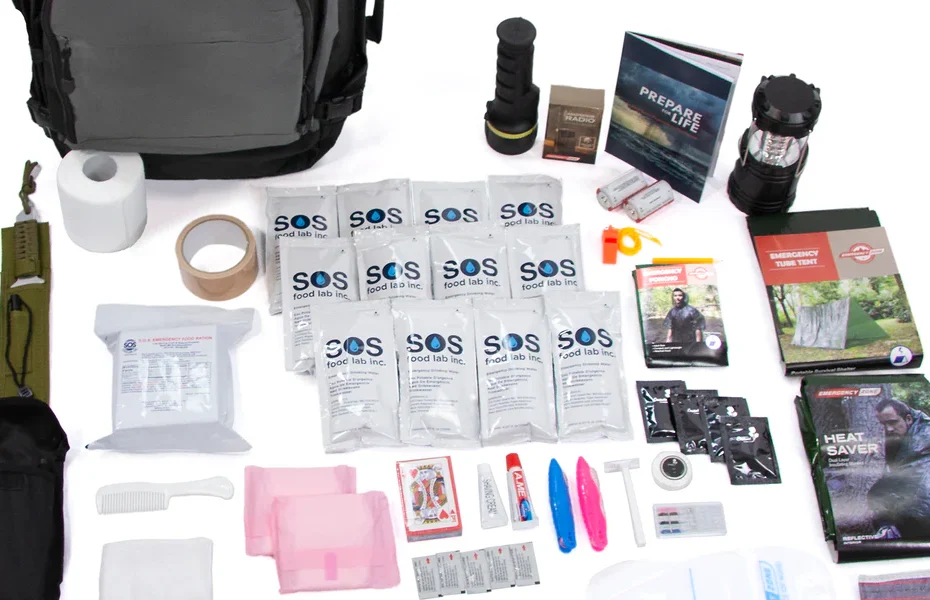
Being prepared for emergencies is essential, and having a reliable survival kit can make all the difference in critical situations. Whether facing natural disasters, power outages, or unexpected crises, a well-equipped kit provides peace of mind and essential resources. With numerous options available, knowing how to choose the right kit ensures you’re ready for anything.
Determining Your Survival Kit Needs
Before purchasing a survival kit, take the time to assess your specific needs. Are you preparing for a short-term emergency, an extended survival scenario, or outdoor excursions? A kit designed for three-day survival differs significantly from one intended for long-term preparedness. Consider the risks associated with your location and the types of emergencies you’re most likely to encounter.
Individual or Group Kits
Decide whether your kit is for personal use or a group. Solo kits are compact and lightweight, making them easy to carry, whereas family-sized kits contain extra provisions to accommodate multiple people.
Environmental Factors
Your local environment plays a crucial role in kit selection. If you live in an area prone to hurricanes or floods, a waterproof kit with flotation devices is a smart investment. Conversely, if you reside in a colder climate, gear like insulated blankets, hand warmers, and thermal clothing should be prioritized.
Must-Have Items in a Survival Kit
A survival kit should include supplies that meet fundamental survival needs, such as food, water, first aid, shelter, and tools. Choosing a kit that balances essentials with portability is key.
Shelter and Protection
Exposure to the elements can be dangerous, so a survival kit should include protective gear like emergency blankets, a rain poncho, and, if space allows, a compact tent. Fire-starting tools, such as waterproof matches and lighters, are also crucial for staying warm and cooking food.
Food and Water
Survival kits often include calorie-dense food bars and emergency water pouches with extended shelf lives. However, it’s wise to supplement your kit with water purification tablets or a portable filtration device for access to clean drinking water in any situation.
First Aid Essentials
A comprehensive first aid kit is a non-negotiable component. Look for kits that include antiseptics, adhesive bandages, gauze, pain relievers, and wound dressings. If you have medical conditions, ensure you add prescription medications and any necessary personal medical supplies.
Tools and Utility Items
Multi-purpose tools enhance a survival kit’s functionality. A durable multi-tool with pliers, screwdrivers, and a knife can be invaluable. Flashlights, extra batteries, a whistle, and a portable emergency radio for weather alerts should also be included.
Assessing Kit Quality
Not all survival kits are of the same quality, so evaluating durability and practicality is important before making a purchase.
Strong Materials and Packaging
A sturdy, well-packaged kit can withstand extreme conditions. Look for waterproof, crush-resistant containers that keep contents safe and secure. Avoid kits with flimsy plastic bags that can easily tear or degrade.
Portability and Weight Considerations
A survival kit should be lightweight and easy to transport. Overloading with excessive or unnecessary items can make carrying it difficult in an emergency. Choose a kit with a well-balanced selection of items that provide essential functions without being cumbersome.
Expiration and Maintenance
Some survival kit items, like food, water, batteries, and medications, have expiration dates. Regularly check and replace expired components to ensure your kit remains effective and ready for use when needed.
Personalizing Your Survival Kit
While pre-made survival kits offer convenience, customizing your kit ensures that it meets your specific needs and preferences.
Hygiene and Sanitation Supplies
Maintaining hygiene during emergencies is crucial. Pack items such as biodegradable soap, wet wipes, and toothbrushes to prevent infections and maintain cleanliness.
Self-Defense and Security
Depending on the situation, personal safety may become a concern. Consider adding self-defense tools like pepper spray, a survival knife, or other protective gear if legally permissible in your area.
Communication and Navigation Aids
Having reliable navigation tools is vital. A compass, a detailed local map, and a power bank for charging electronic devices can be invaluable if you’re stranded or lost. Emergency beacons or satellite communicators can provide additional security in remote locations.
Where to Purchase a Survival Kit
Survival kits are available from various sources, and knowing where to buy them can help ensure you get the best quality for your investment.
Online Retailers
Websites specializing in survival gear, as well as major online retailers, offer an extensive selection of kits. Read customer reviews and research the brand’s reputation to avoid low-quality or misleadingly marketed kits.
Outdoor and Tactical Supply Stores
Physical stores specializing in camping, outdoor survival, and tactical gear often carry high-quality kits. Shopping in person allows you to inspect the contents and materials firsthand before making a purchase.
Assembling Your Own Kit
If you prefer a customized approach, building your own kit ensures that every item is of high quality and tailored to your needs. While this method may take longer and require more research, it often results in a more reliable and practical survival kit.
Budgeting for a Survival Kit
Survival kits come in a range of price points, from affordable basic options to high-end kits loaded with premium supplies. Finding a balance between cost and quality is important.
Comparing Price and Value
Cheaper kits may lack durability or essential components, while higher-end kits often provide better materials and longer-lasting items. Weigh the cost against the quality to ensure you’re investing in a kit that will serve you well in an emergency.
Buying Essential Items Over Time
If purchasing a complete kit isn’t feasible all at once, consider assembling one gradually. Start with the most critical items—such as food, water, first aid, and shelter—then add additional tools and accessories over time.
Final Thoughts
Choosing the right survival kit requires careful evaluation of your needs, environment, and available options. By selecting a well-stocked, high-quality kit or assembling your own, you can ensure preparedness for unexpected situations. With the right tools and supplies, you’ll have confidence knowing you can handle emergencies, no matter where or when they occur.