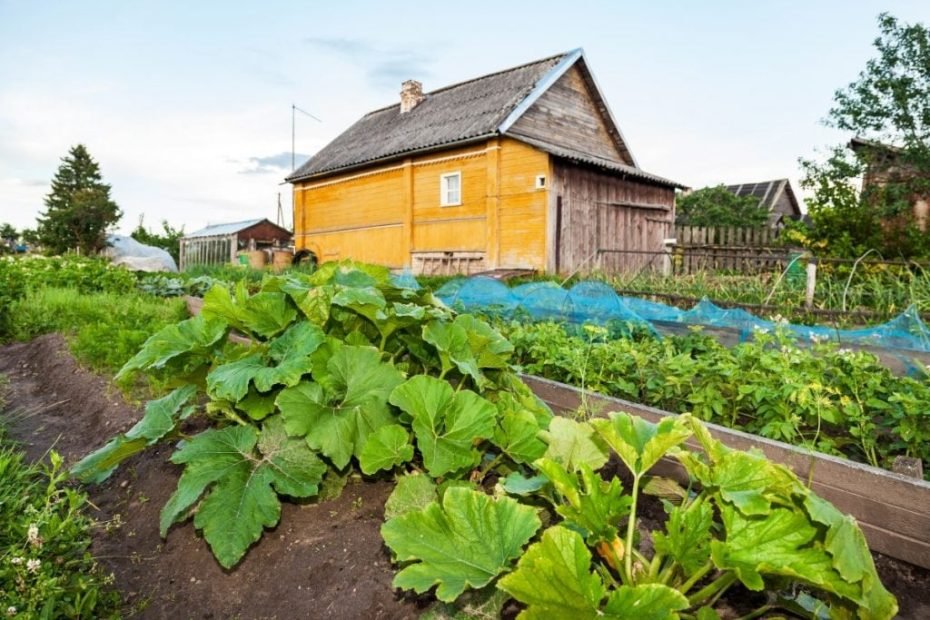
Have you ever considered what you would do if you suddenly had to provide for yourself and your family without access to a grocery store or a convenient fast-food joint? Becoming self-sufficient in terms of off-grid food production seems like a daunting task, but it’s a skill that could serve you well in many scenarios. From economic uncertainties and severe weather events to seeking a more sustainable way of living, there are plenty of reasons why we should strive to be self-reliant. In this post, we will take you on a journey towards food independence and reveal how you can grow, rear, and preserve your very own off-grid food supply.
Growing interest in sustainable living and taking control of our food sources brought a resurgence in the popularity of off-grid food production. It’s a diverse discipline that encompasses several methods and techniques such as gardening, vertical farming, aquaponics, raising livestock, and preserving food. With the right approach, anyone can learn to produce food away from the supermarket shelves.
Can you imagine living a healthier, less wasteful life while potentially saving money and advocating for the planet’s well-being? Let’s dive into the details of how to achieve this goal.
Section 1: Gardening for Food Security
While you can start with a regular kitchen garden, embracing a variety of cultivation techniques will yield better results. For instance, opt for vertical gardening if you have limited space. Companies like Gardener’s Supply Company offer excellent vertical gardening racks, useful for planting your favorite greens.
For more substantial crop yields, consider permaculture or biointensive gardening. Both methods aim to work ‘with’ nature instead of against it, promoting soil fertility and plant health. The Grow Biointensive method, as promoted in John Jeavons’ book “How to Grow More Vegetables”, is a proven and successful approach.
Section 2: Aquaponics and Greenhouse Farming
Another prominent method of off-grid food production is aquaponics or raising fish and plants together in a symbiotic environment. The AquaGrove system is a great example of a beginner-friendly setup, providing an accessible way to produce both protein and vegetables in a self-contained ecosystem.
Greenhouse farming is also worth your consideration. A greenhouse, such as those from Palram, allows you to control your growing environment, extending your growing seasons and diversifying your crops.
Section 3: Raising Livestock for Protein
Livestock rearing not only provides protein through meat and eggs, but it’s also an excellent way to produce your own fertilizer. Chickens, for instance, are easy to manage, and breeds like Rhode Island Reds or Sussex Chickens are known for their high egg production.
Rabbits are space-efficient livestock, with breeds like the New Zealand White providing substantial meat returns. They reproduce quickly and can be fed on vegetable scraps, making them a sustainable option.
Section 4: Preserving Food for Off-Grid Living
Canning, fermenting, drying, and freezing, these are some of the ways we can preserve our bounty for future use. The Ball Complete Book of Home Preserving provides an abundance of preserving recipes and techniques for beginners.
Moreover, investing in a good quality dehydrator, like the Excalibur Food Dehydrator, and a pressure canner, such as the All American Pressure Canner, can help ensure you have a well-stocked pantry for the off-season or during emergencies.
Keep in mind that every journey begins with a single step. It’s a common misconception that off-grid food production is something done only by seasoned homesteaders with acres of land. However, even if you’re starting with a backyard or a small urban plot, with some commitment, you can become more food-secure.
By now, you should have a deeper understanding of off-grid food production and how it can make you self-sufficient. So, why not take the first step? Start small, perhaps with a few herbs in your kitchen or a couple of chickens in your backyard. Every step toward self-sufficiency is a step in the right direction.